


By Robert Kibet, Special Correspondent
On August 16, 1977, the stands at what was then the Heysel Stadium in Brussels filled for the first Memorial Van Damme. It was supposed to be a one-off.
The meeting had been created in memory of Ivo Van Damme, Belgium's promising middle-distance runner who had won silver in both the 800 and 1,500 metres at the Montreal Olympics in 1976, only to die in a road accident six months later at the age of 22.
But that first evening exceeded expectations. The crowd came, the athletes competed, and an event that was intended as a memorial acquired a life of its own. Almost five decades later, the idea has become one of the enduring fixtures of international athletics.
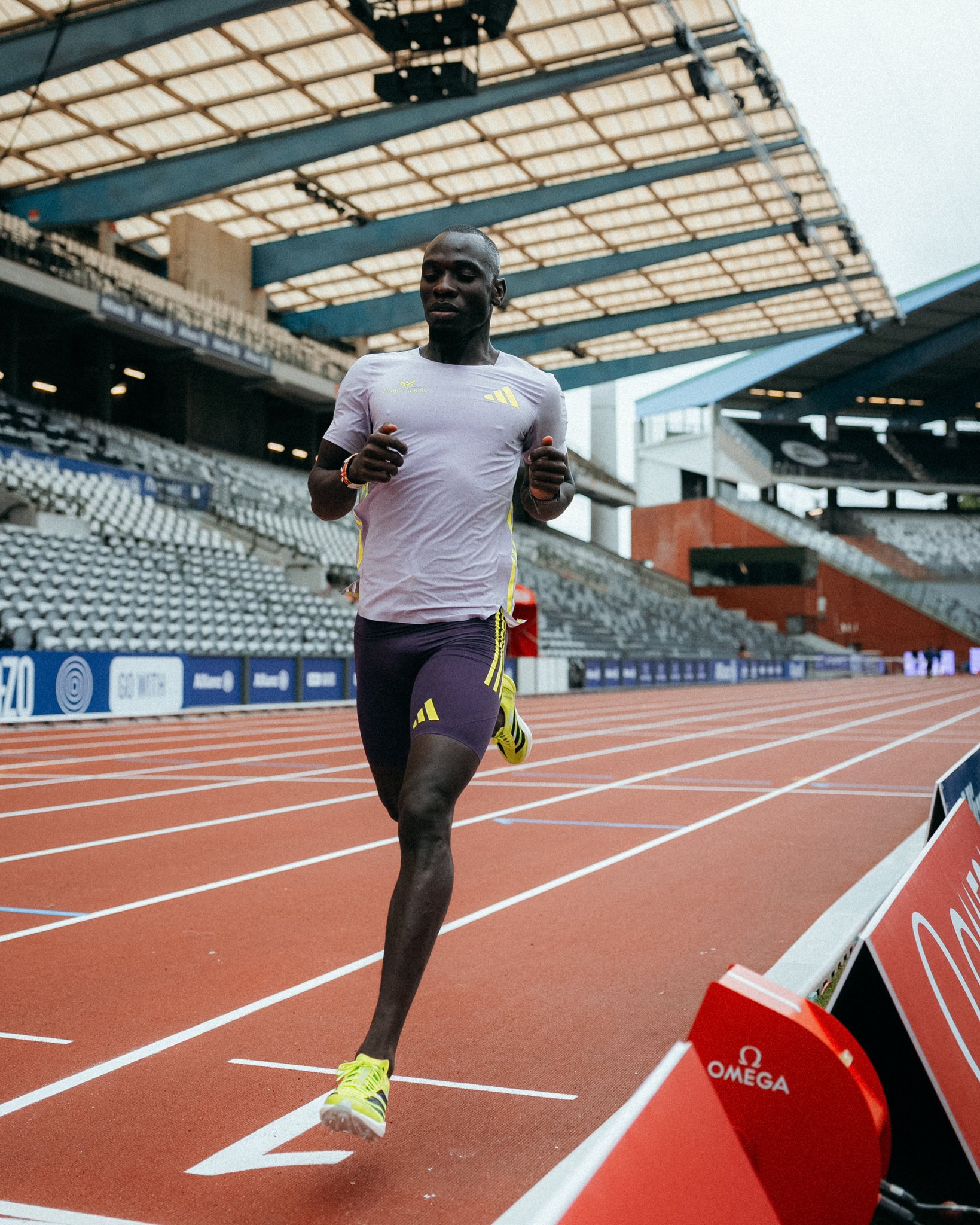
On Friday and Saturday, the Allianz Memorial Van Damme will celebrate its 50th edition while simultaneously hosting the 2026 Wanda Diamond League Final at Brussels' King Baudouin Stadium.
All 32 Diamond League champions will be crowned over two days, bringing together athletes who have spent the season earning their place in the sport's final examination.
But anniversaries have a way of making athletes look beyond the next race.
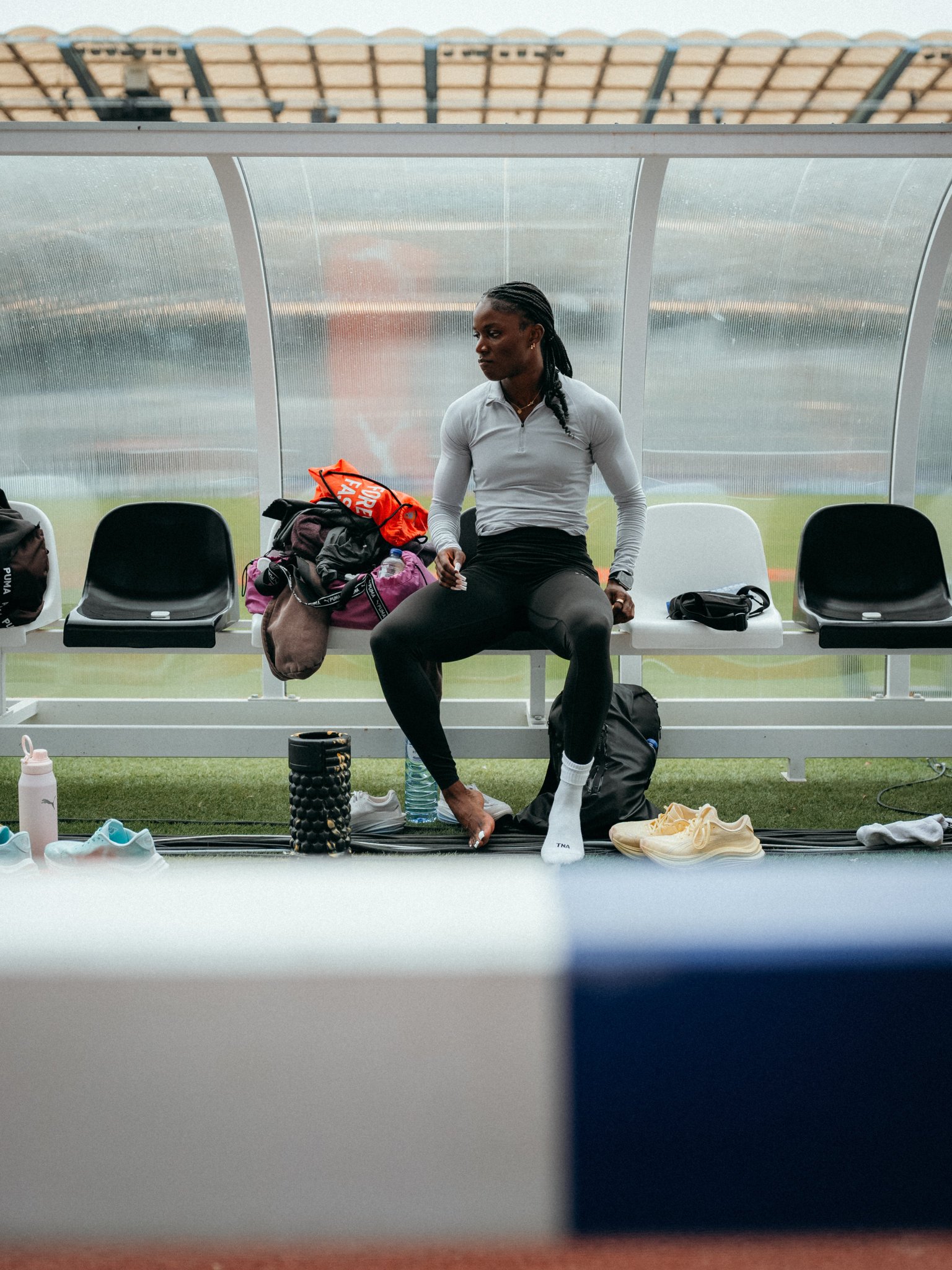
And at Thursday's pre-event press conference, some of the biggest names in the meeting were asked to do precisely that: imagine a life when the stadiums are quieter, the spikes are packed away, and the records they fought so hard to establish have become somebody else's targets.
When Mondo Imagines 50
Mondo Duplantis has spent his career challenging the very idea of a limit.
The Swedish pole-vaulter has repeatedly raised the world record and turned heights once regarded as extraordinary into familiar territory. Yet when asked to imagine himself at 50, the answer was surprisingly ordinary.
Golf.
A piña colada.
Family.
There was humour in the response, but also an understanding of something every champion eventually has to confront: records do not belong to athletes forever.
Duplantis acknowledged that by the time he reaches 50, the marks he owns today may have been surpassed. And that does not necessarily diminish them.
"You don't want to be a has-been that's just hanging on to your old records," was the sentiment he offered.
What remains, he suggested, are the medals and moments.
That may be one of the most revealing perspectives to emerge from a meeting celebrating half a century of athletics.
The Memorial itself is proof that performances disappear into history while memories can endure.
Russell refuses to look backwards
Masai Russell is approaching the same question from the opposite direction.
The American arrives in Brussels after one of the defining performances of the season: her 12.09-second world record in the 100m hurdles in Zurich.
A world record might normally offer an athlete a natural moment to pause.
Russell is not interested in pausing.
At the press conference, she spoke about confidence, racing to win, and keeping her head up when things do not go according to plan.
The job, she insisted, is not done.
That mentality is at the heart of elite sport.
A record becomes yesterday's news almost as soon as it is set.
Another athlete begins chasing it.
Another generation begins believing it can go faster.
Russell's achievement has already changed the conversation around the women's hurdles. Now Brussels offers her another opportunity to test the level she has reached.
Bol is learning to trust the work
Femke Bol's story is less about conquering a record than overcoming the limits she sometimes places on herself. The Dutch star admitted in Brussels that she can underestimate herself.
Her solution is becoming increasingly simple: trust the process, trust the training and stop thinking too much. It is a fascinating admission from an athlete who has already established herself among the sport's elite.
Bol is also exploring new territory.
Having made her name as one of the world's great 400m hurdlers, she has moved into the 800m this season, embracing a different kind of race and a different set of possibilities. The Brussels final will see her contest the 800m on Saturday.
There is a lesson in that transition. Longevity is not merely about remaining in the sport. It can also mean having the courage to reinvent yourself.
Tharp already knows what he wants to keep
For Ja'Kobe Tharp, the answer is more direct. Medals. The American hurdler made a distinction between records and the things athletes ultimately carry with them.
Records are made to be broken, he said. Medals are forever. It is an uncomplicated philosophy, but perhaps that is why it resonates.
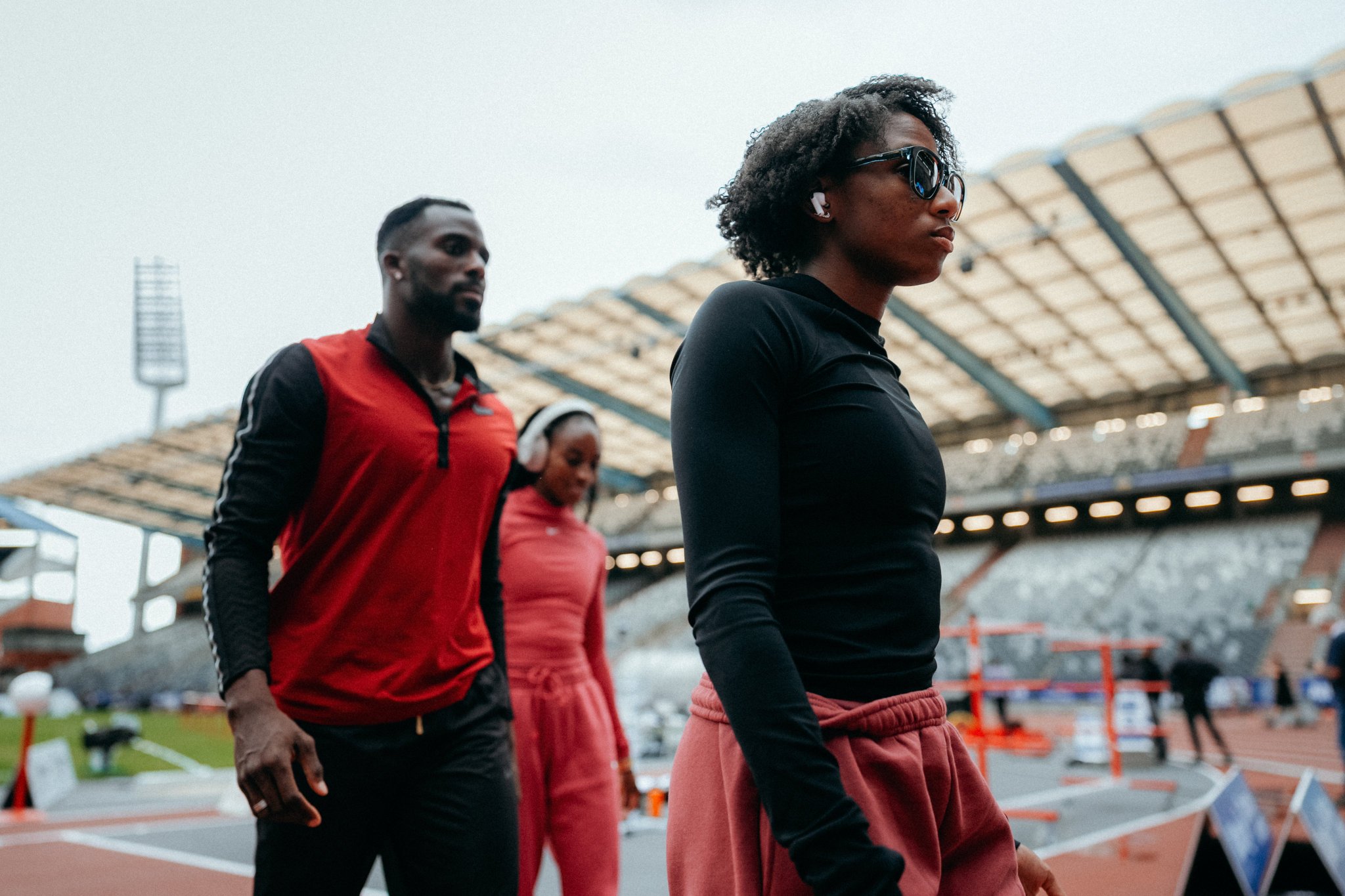
Athletes spend years chasing fractions of a second and centimetres of distance. Yet when the competition ends, the numbers become part of a much larger story. The medal becomes the memory. The race becomes the story. And the athlete becomes part of the history of the meeting.
From Ivo to Mondo
That is what makes the 50th Memorial Van Damme such a powerful setting for this conversation.
Ivo Van Damme never reached 50. He never had the chance to decide what life after athletics might look like. His competitive career ended at 22, just as it seemed to be taking off. Yet his name has survived for half a century.
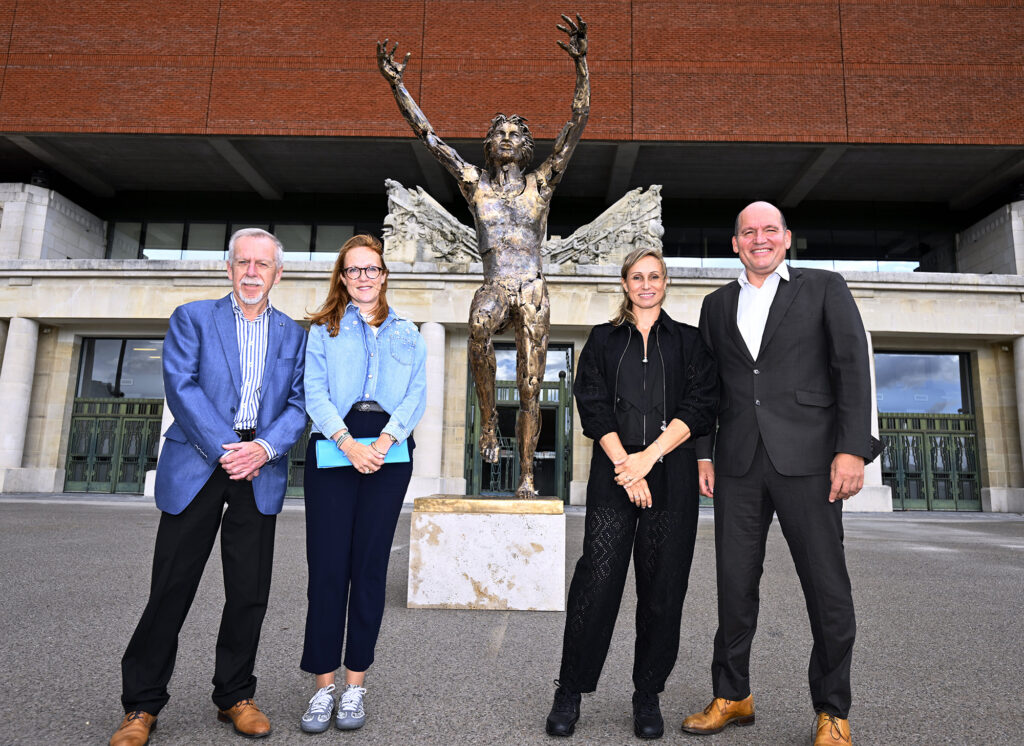
The Memorial's organisers have deliberately made the anniversary a meeting between past and present, including an exhibition tracing the event's history from Ivo Van Damme to Duplantis, while former stars such as Carl Lewis are returning for the celebrations.
It is an extraordinary form of sporting longevity. Not the longevity of a runner or a pole-vaulter. The longevity of an idea.
Africa's place in the next 50 years
For Africa, there is another question hiding beneath the anniversary.
The continent has supplied athletics with champions for generations, and Kenya remains one of the sport's great talent-producing nations. But producing athletes is only one part of the equation.
The next 50 years should also be about building the competitions, coaching structures, sports-science systems, athlete pathways and professional opportunities that allow African athletes to develop and remain competitive at the highest level.
The continent should not only be a source of talent travelling to Europe and North America. It should increasingly become a destination for world-class athletics. That means creating meetings capable of building their own history.
Because the Memorial Van Damme's greatest achievement may not simply be that it has survived 50 years. It is that a meeting created to remember one young athlete became a stage on which generations of other athletes could create memories of their own.
What survives?
On Friday and Saturday, the King Baudouin Stadium will once again become a place where the world's best chase medals, Diamond League titles and, perhaps, records.
More than 40 reigning world and Olympic champions are expected across the two-day programme. Jimmy Gressier will attempt to attack the one-hour world record, while Isaac Kimeli has his sights on a Belgian record. The Diamond League champions will battle for the iconic Diamond Trophy across all 32 disciplines.
There will be noise, pressure, celebration and disappointment. And then the stadium will empty. The athletes will move on to the next chapter.
Some will return next season. Others will eventually retire. Their records will be challenged. Their medals will gather dust. But 50 years of the Memorial Van Damme offer a different measure of success.
A great athletics meeting is not simply one where records are broken. It is one where stories are created that people still want to tell decades later. That is the inheritance Ivo Van Damme left behind.
And as the next generation takes to the track in Brussels, perhaps the most interesting question is not what they will achieve this weekend. It is what they will leave behind when they are 50.