


By Robert Kibet
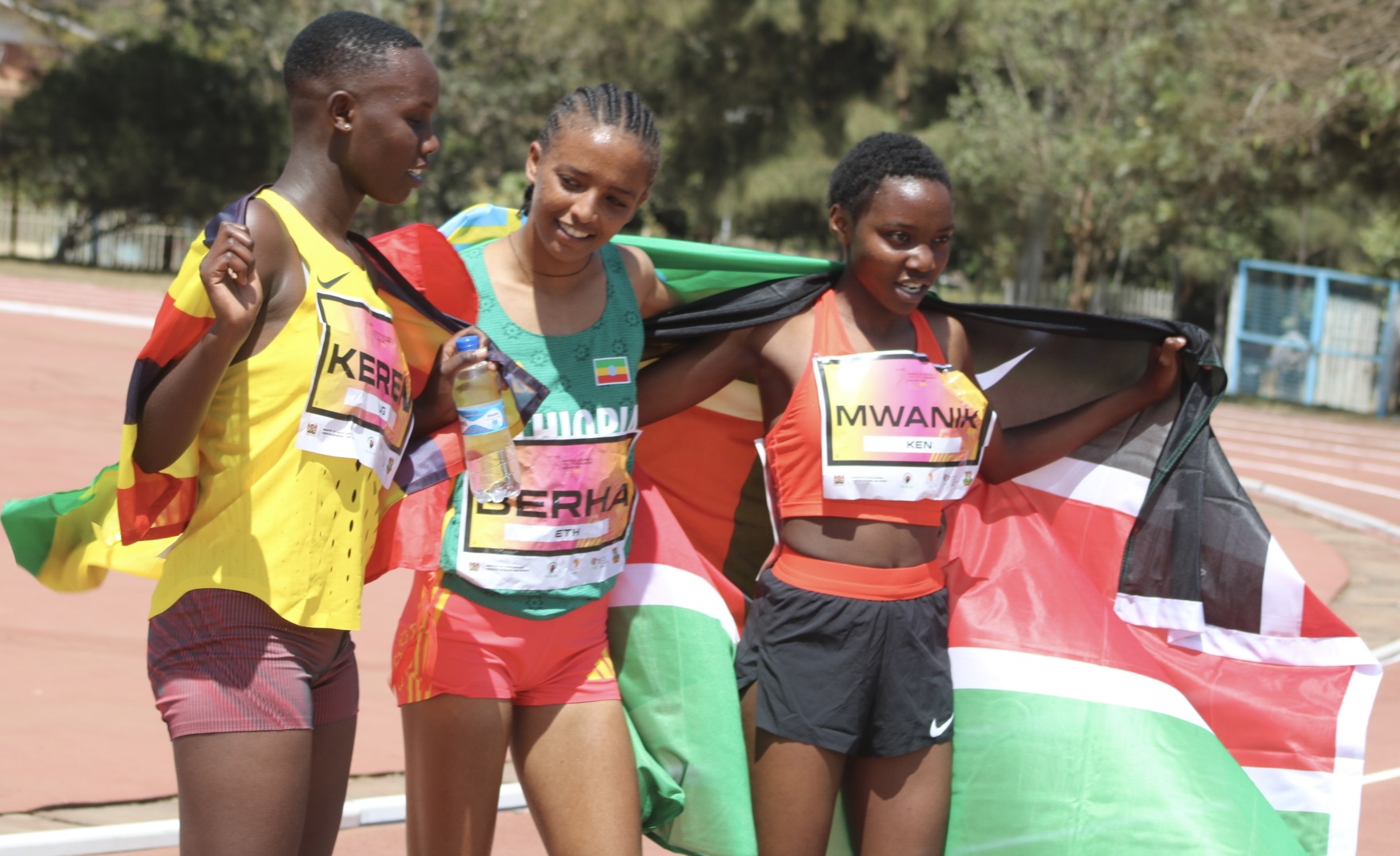
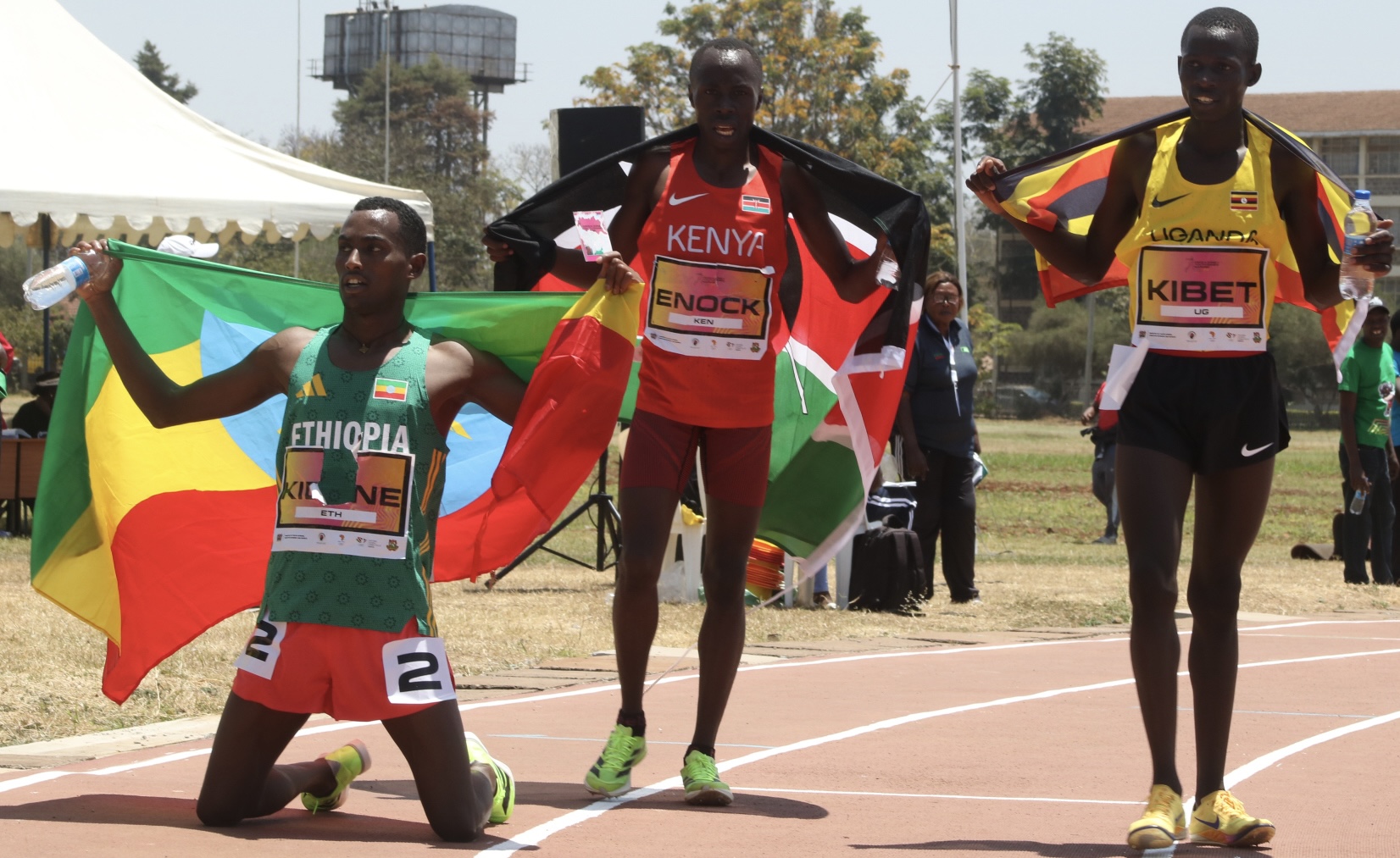
The medals were the immediate reward. The bigger prize may be what comes after them. At Kenyatta University, young athletes from across the Association of National Olympic Committees of Africa (ANOCA) Zone Five gathered for a competition that was as much about measuring the next generation as it was about winning medals.
The stakes could not be higher as these games serve as the definitive, high-pressure testing ground for the historic Dakar 2026 Youth Olympic Games — the first-ever Olympic event to be staged on African soil.
Donald Rukare, president of ANOCA Zone V, sees the Games as an important pathway and incubation ground towards international competition.
The purpose of the ANOCA regional games remains to give young Africans international competition before they move towards bigger continental and global stages. (Photo / Robert Kibet)
Barnaba Korir, Athletics Kenya’s Youth Development Director and NOC-K First Vice President, believes Africa must create more opportunities at home as its traditional running dominance faces growing challenges.
Meanwhile, Athletics Kenya President Lt Gen (Rtd) Jackson Tuwei says talent must be matched by stronger preparation, facilities and investment.
In contrast, NOC-K president Shadrack Maluki sees the Games as a crucial platform for preparing and assessing Kenya’s team for Dakar 2026.
Their messages converge around a continent at an important sporting crossroads. Africa has the talent. The question now is whether it can build the ecosystem to sustain it.
From Huye To Nairobi: A Regional pathway
The Zone V Youth Games are not new. The inaugural edition was held in Huye, Rwanda, in 2019. Seven years later, the competition returned to the region, with Burundi, Ethiopia, Kenya, Rwanda, Somalia, South Sudan, Sudan, Tanzania, and Uganda, together with the Refugee Team, making 11 participating teams in Nairobi.
The continuity matters. The purpose remains to give young Africans international competition before they move towards bigger continental and global stages.
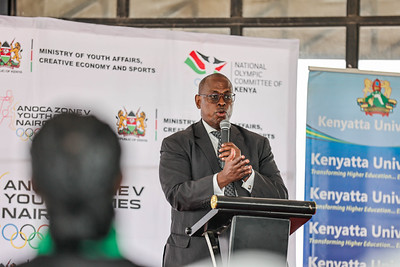
Donald Rukare, President of ANOCA Zone V, sees the regional youth Games as an important pathway and incubation ground towards international competition. (Photo / Robert Kibet)
For Rukare, Nairobi demonstrated why that pathway matters. “These games are very important because they are targeting the youth in the age of 14 to 17,” he said. “They act as an important pathway, not only for participation, but also preparation.”
He described the Games as an “incubation ground”, where some athletes can prepare for Dakar while others begin a longer journey towards African championships, World Championships and senior Olympic competition.
'Our Dominance is Being Challenged'
The destination ahead is Dakar 2026, where Africa will host an Olympic event for the first time.
Africa’s running advantage is being challenged Athletics provides perhaps the clearest illustration of the changing African sporting landscape. Kenya and Ethiopia have dominated middle- and long-distance running for generations, but Korir says that advantage can no longer be taken for granted.
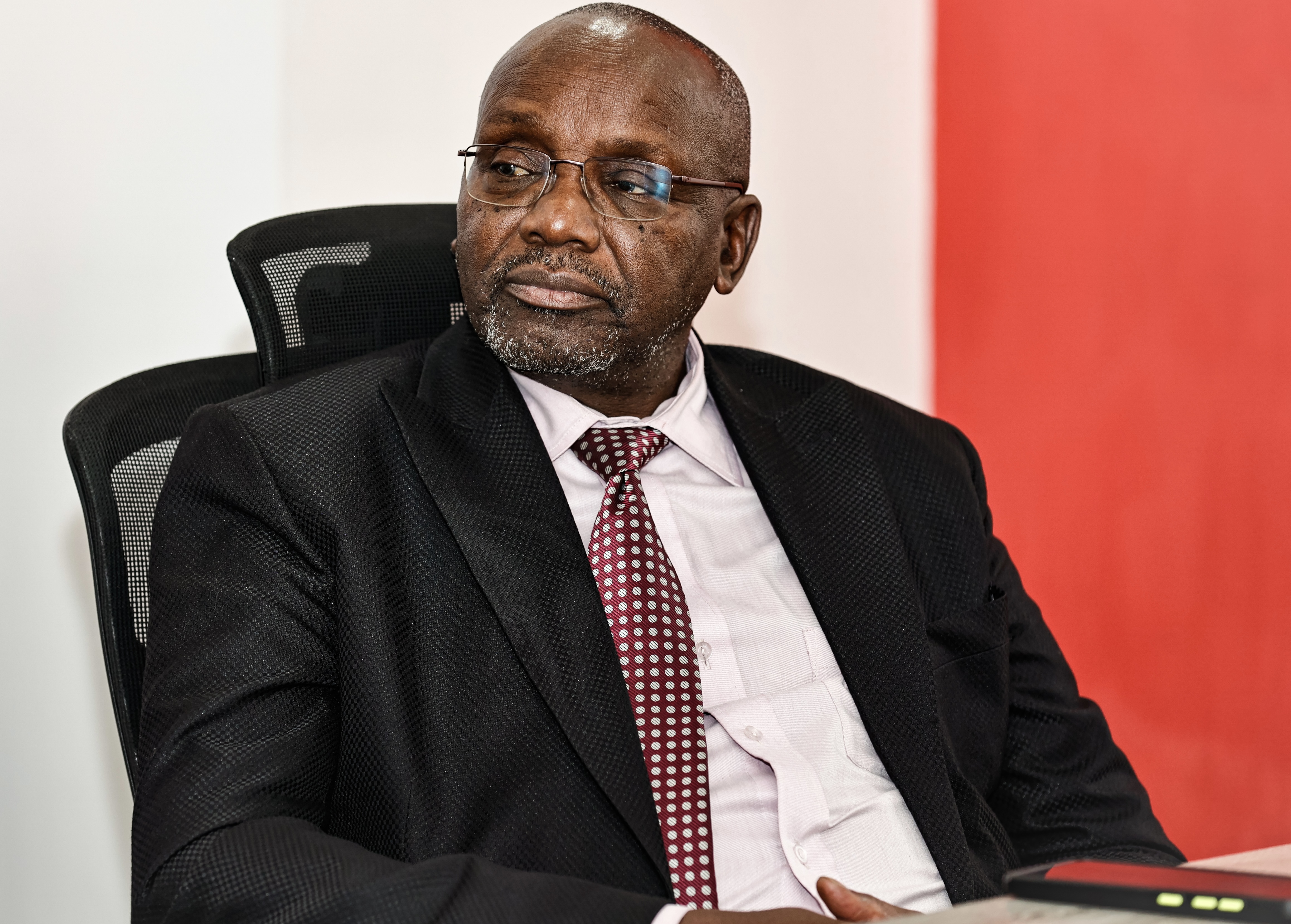
Athletics Kenya Youth Development Director and NOC-K First Vice President Barnaba Korir: 'Our dominance is being challenged.' (Photo / Robert Kibet)
Donald Rukare, president of ANOCA Zone V, sees the Games as an important pathway and incubation ground towards international competition
But his assessment is not one of decline. Rather, he sees it as evidence that the rest of the world has learned from the skills that once gave African distance running a decisive advantage. “It’s not necessarily as a result of lack of training or lack of talent in African countries. Most athletes have mastered our skills, and they have learned.”
For Korir, Africa has an abundance of talent. What is now required is an environment capable of giving that talent enough competition, exposure and opportunity to mature. That means changing the traditional model in which African athletes often have to travel abroad to find the highest level of competition.
“The dynamics in Africa must change,” Korir said.
Africa, he believes, should not simply wait for Europe or the United States to provide the biggest stages. It should build its own. “We have to look inward,” he said, pointing to efforts to develop more athletics competitions within Africa involving countries such as Kenya, Ethiopia, Botswana, South Africa and Nigeria.
The opportunity is particularly important for younger athletes who can struggle to gain entry into established international meetings. “Upcoming athletes cannot get an opportunity to compete outside Africa because the other athletes are running well, so they give prominence to their own athletes first before they consider our own,” Korir said.
His solution is to create stronger competitions at home, then bring the world to Africa. “We have to build it.”
Opportunity to Change Perceptions
That vision extends beyond producing individual champions. Korir wants Africa to become a stronger sporting market and a destination for international competition.
The Dakar Youth Olympics therefore represents an opportunity to change perceptions of what Africa can host and what its athletes can achieve.
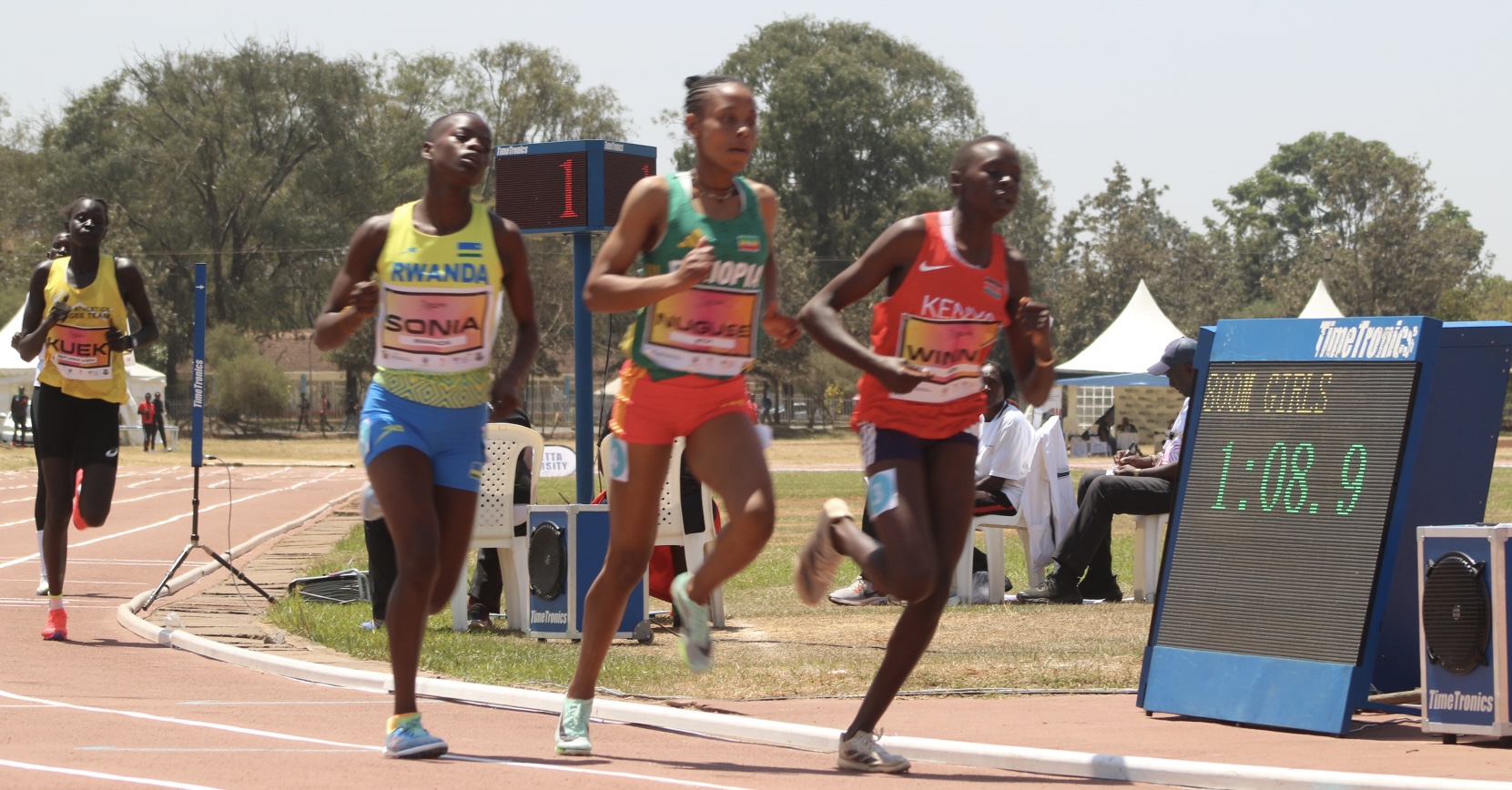
The Dakar Youth Olympics therefore represents an opportunity to change perceptions of what Africa can host and what its athletes can achieve. (Photo / Robert Kibet)
“Boosting the Youth Olympics in Africa is a first one,” Korir said. “The dynamics in Africa must change.”
For him, major events hosted on African soil can leave behind more than medals. They can improve infrastructure, train officials, expose athletes to international standards and strengthen the systems that support sport.
That makes Africa’s sporting rise less about waiting for the next great athlete to emerge and more about building the conditions in which thousands of young athletes can develop.
Infrastructure Behind The Ambition
But competition needs somewhere to happen. Tuwei says Africa must do more “not only in terms of running, but even in terms of preparations, in terms of facilities”.
Kenyatta University provides a useful example. Tuwei said Athletics Kenya laid or improved the tartan track around 2017 and 2018 following the World Under-18 Championships in Nairobi. Years later, another generation of African athletes was competing on it.
For Tuwei, major events should be judged not only by what happens during competition, but also by what remains after the athletes leave.
“We have to do much more,” he said, not only in preparation but also in facilities.
More Than Medals
Rukare’s vision extends beyond athletics.
He wants Zone V to develop its capacity across sports including tennis, judo and volleyball, while creating more regular sporting activity across Africa.
“We would like to see 365 days of sport because Africa is on the rise,” he said.
For him, sport is also an ecosystem: athletes require accommodation and transport, officials gain experience, businesses benefit from visitors, facilities improve, and technical expertise develops.
It is therefore not simply about staging a competition. It is about creating infrastructure, expertise, economic activity and future sporting opportunities.
Nairobi becomes a Dakar testing ground That is where Maluki’s contribution becomes particularly significant.
The NOC-K president said the Zone V Games provided valuable athlete exposure while allowing technical teams to assess talent ahead of Dakar.
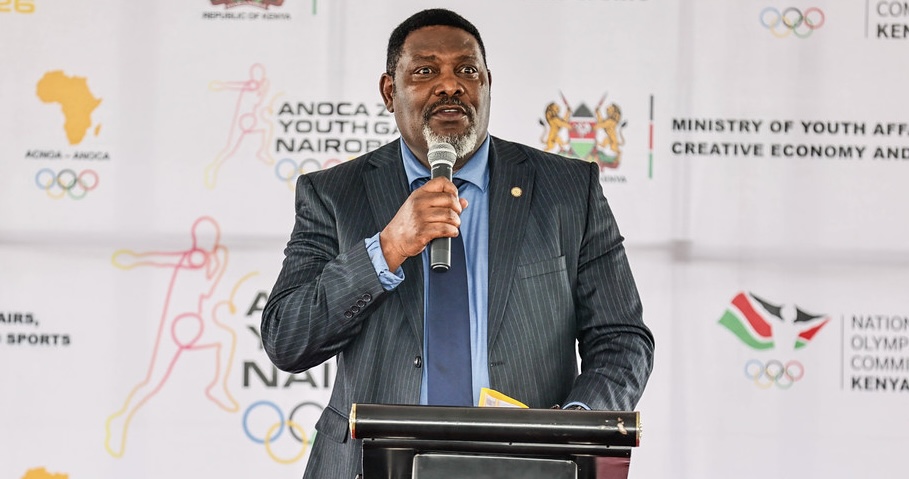
National Olympic Committee of Kenya President Shadrack Maluki sees the ANOCA Zone V Games as providing valuable athlete exposure while allowing technical teams to assess talent ahead of Dakar. (Photo / Robert Kibet)
“ANOCA is very important for us in preparation for Dakar. We have achieved a lot in terms of organisation, athletes’ exposure and the technical team’s preparation. It is going to play a very huge role in the Olympics,” Maluki said.
Most importantly, Maluki said the majority of the athletes who competed in Nairobi are expected to form the core of Kenya’s Dakar delegation, making the Games an important selection and assessment point.
That makes Nairobi more consequential than its medal table suggests.
Dakar Changes The Equation
The Youth Olympic Games will be the first Olympic event staged on African soil.
For Rukare, the athletes competing in Nairobi are already part of that wider pathway.
“The ANOCA V games here in Nairobi are proving that the youth are prepared,” he said. All they need is more competition, more exposure, more preparation and the sky will be the limit.”
Korir believes the shift must continue into senior athletics, with Kenya also pursuing the opportunity to host the 2029 World Athletics Championships.
For him, the legacy of major events matters as much as the competition itself: infrastructure, technical officials, international standards and sports administration.
Dakar can therefore become more than a historic first.
It can strengthen the argument that Africa can become a host and producer of global sport, rather than remaining primarily a source of athletes for competitions elsewhere.
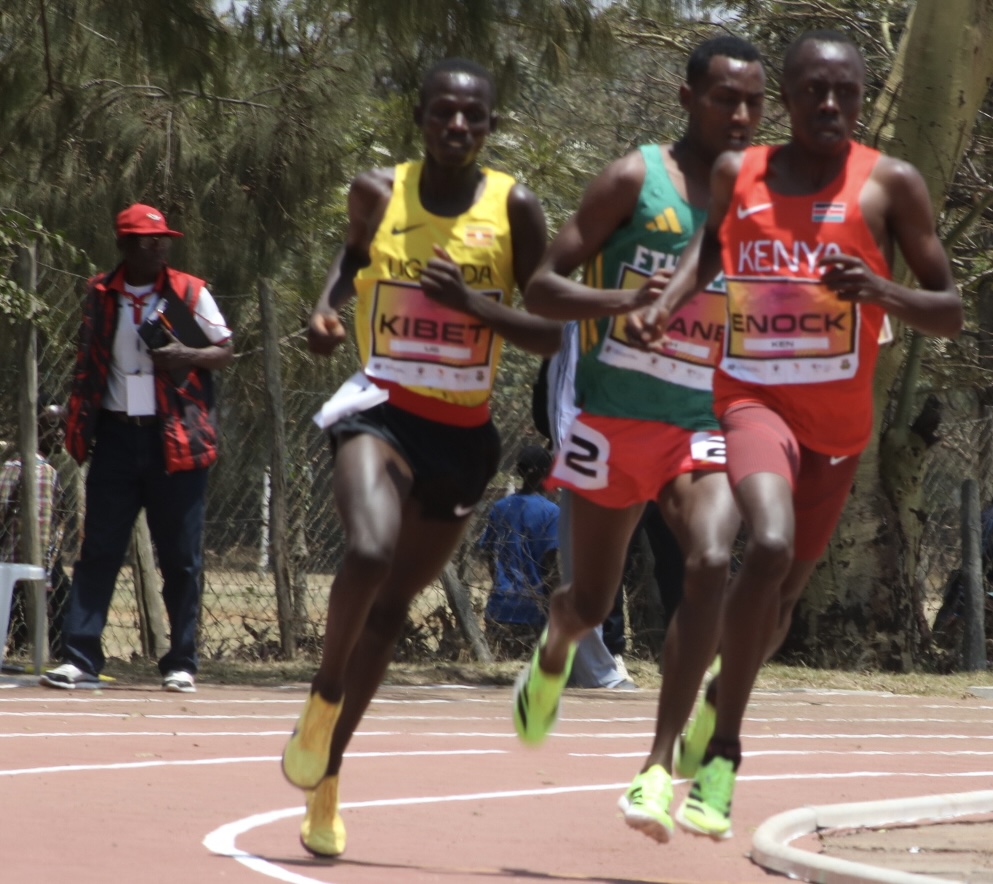
Africa needs to build a sporting ecosystem strong enough that its young athletes do not always have to leave Africa to find the world. (Photo / Robert Kibet)
The Race After Nairobi
For the athletes, the message remains simple. The Games are over. The medals have been won. The next race has already begun.
Tuwei told the young competitors: “This is not the end. Go and train harder.”
For some, that road leads directly to Dakar. For Africa, the bigger journey is about building the stages, competitions and infrastructure that allow its talent to flourish at home.
Nairobi has shown that the raw material is there. Dakar will offer Africa a much bigger stage. And beyond Dakar lies the harder question: whether the continent can build a sporting ecosystem strong enough that its young athletes do not always have to leave Africa to find the world.
The ambition is no longer simply to produce champions for the world. It is to build the stages on which the world comes to compete.