


By Robert Kibet, Special Correspondent
As Kenya’s gallant squad to the 2026 World Athletics Under-20 Championships that concluded last weekend flies back home on Wednesday (today), many of the teenagers who competed at Hayward Field have just started a long journey in track and field.
The medals have been won. The records have been set. Now comes the difficult transition from junior promise to senior excellence. That transition has acquired an intriguing potential destination.
Nairobi formally submitted its bid on Monday to host the 2029 World Athletics Championships, joining London, Rome and Munich in the contest. The host city is expected to be announced in September.
Whether Nairobi will win remains unknown. But its entry into the race gives Eugene 2026 another dimension: which of the teenagers who emerged in Oregon could be senior stars by 2029?
There is already a compelling precedent. Nairobi 2021 showed how quickly the future can arrive When Nairobi hosted the World U20 Championships in 2021, few could have known how prominent some of those teenagers would become in senior athletics.
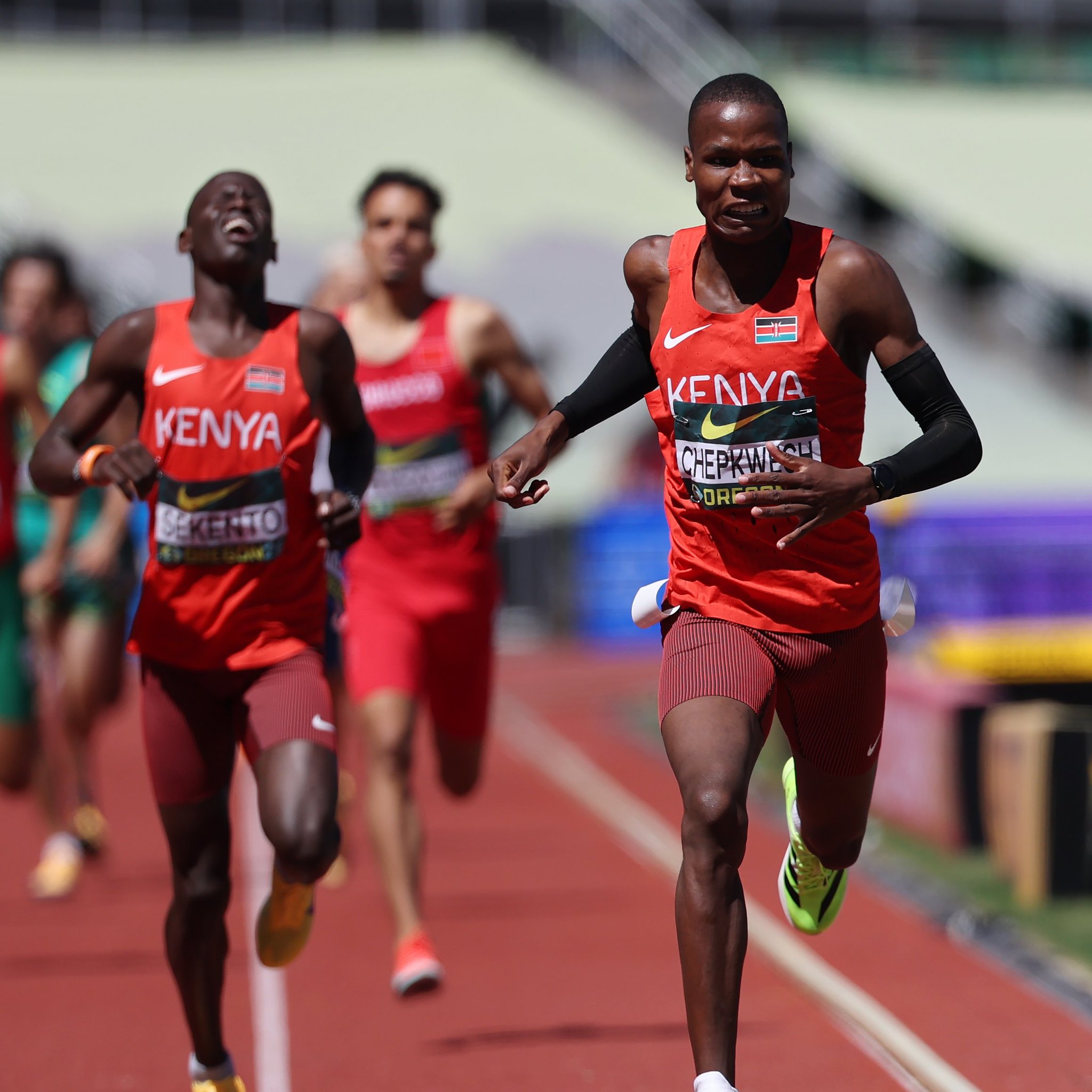
Wilson Chepkwech and David Kapaiko Sekento completed a Kenyan 1-2 finish in the 1,500 metres final at the World Under-20 Championships in Eugene, Oregon. (Photo / World Athletics)
Kenya's Emmanuel Wanyonyi won the 800 metres final in one minute, 43.76 seconds, a championship record. Since then, he has developed into one of the leading 800m runners in the world.
But Wanyonyi was not the only future star to emerge from Nairobi. Botswana's Letsile Tebogo won the 100m and took silver in the 200m, while South Africa's Sinesipho Dambile was third in the 200m, and Botswana's Anthony Pesela won the 400m.
The same generation included Botswana's Busang Collen Kebinatshipi, Jamaica's Tina Clayton, Lithuania's Mykolas Alekna and Switzerland's Ditaji Kambundji.
Established at Senior International Level
Their paths have differed, but several have since established themselves at senior international level.
Alekna is now a world-record holder in the discus. Tebogo has become an Olympic champion and one of the world's leading sprinters. Kebinatshipi has developed into a major 400m contender, while Kambundji has continued her rise in the hurdles.
The lesson is clear: the U20 championships can provide an early glimpse of the senior stars of tomorrow. But they are not a guarantee. Eugene's new generation now faces the test, having produced another group whose development deserves close attention.
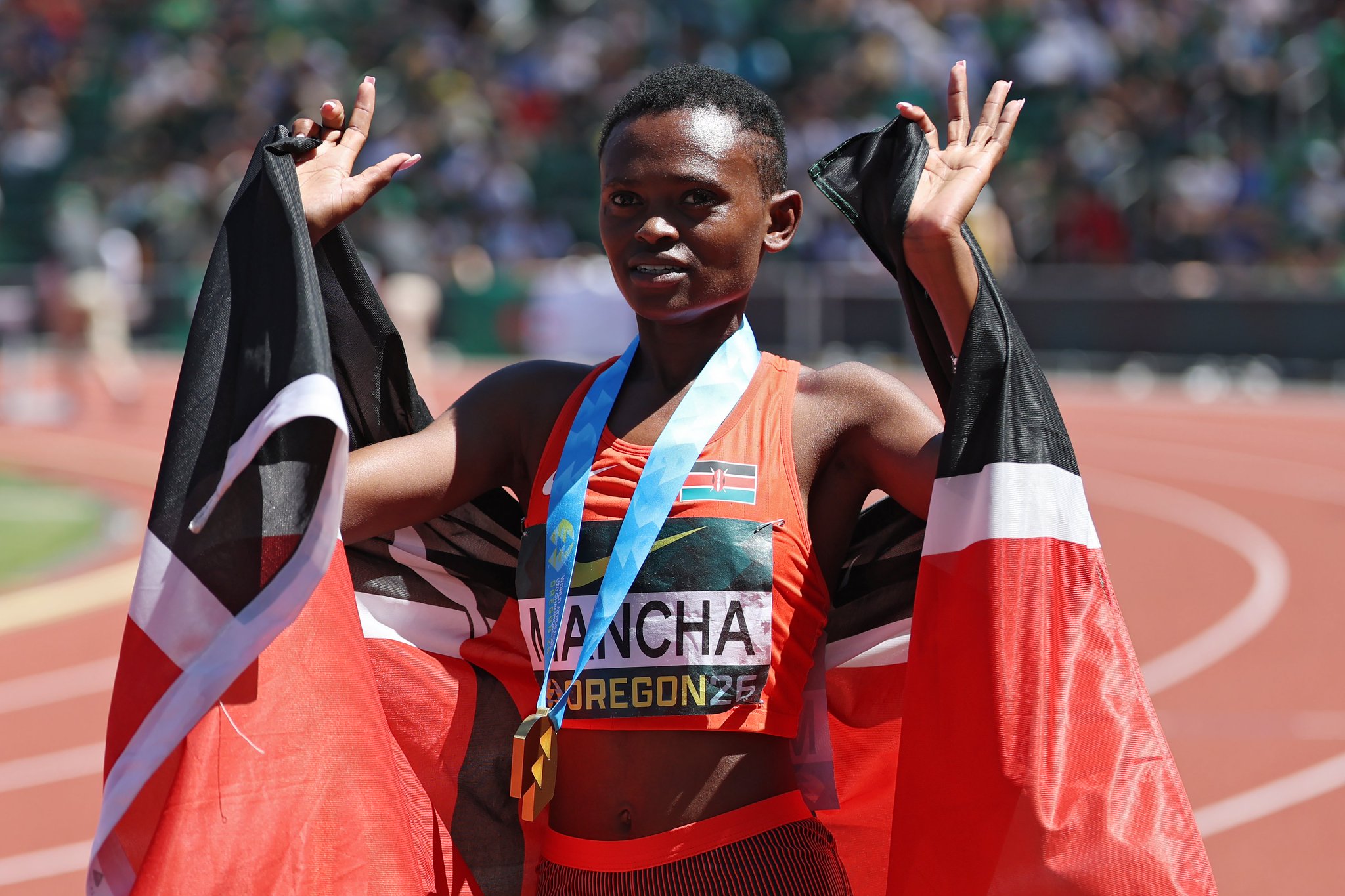
Kenya's Emmanuel Kiprono was one of the standout performers, winning the men's 3,000m in a championship-record 7:28.28 while Frankline Kibet won the 5,000m in 13:28.27, and Josephine Sembeyo Mancha the women's 1,500m title.
In the steeplechase, Emmanuel Lemiso Someki won silver and Nicholas Kitum Losiwareng bronze. Joyline Chepkemoi added bronze in the women's 5000m, while Caren Chepchirchir took bronze in the 1500m.
These performances establish the athletes as names to watch. But their real examination starts now.
Kiprono, Kibet, Sembeyo Mancha and the others must move from competing against athletes of their own age to facing experienced senior professionals.
That is a very different challenge.
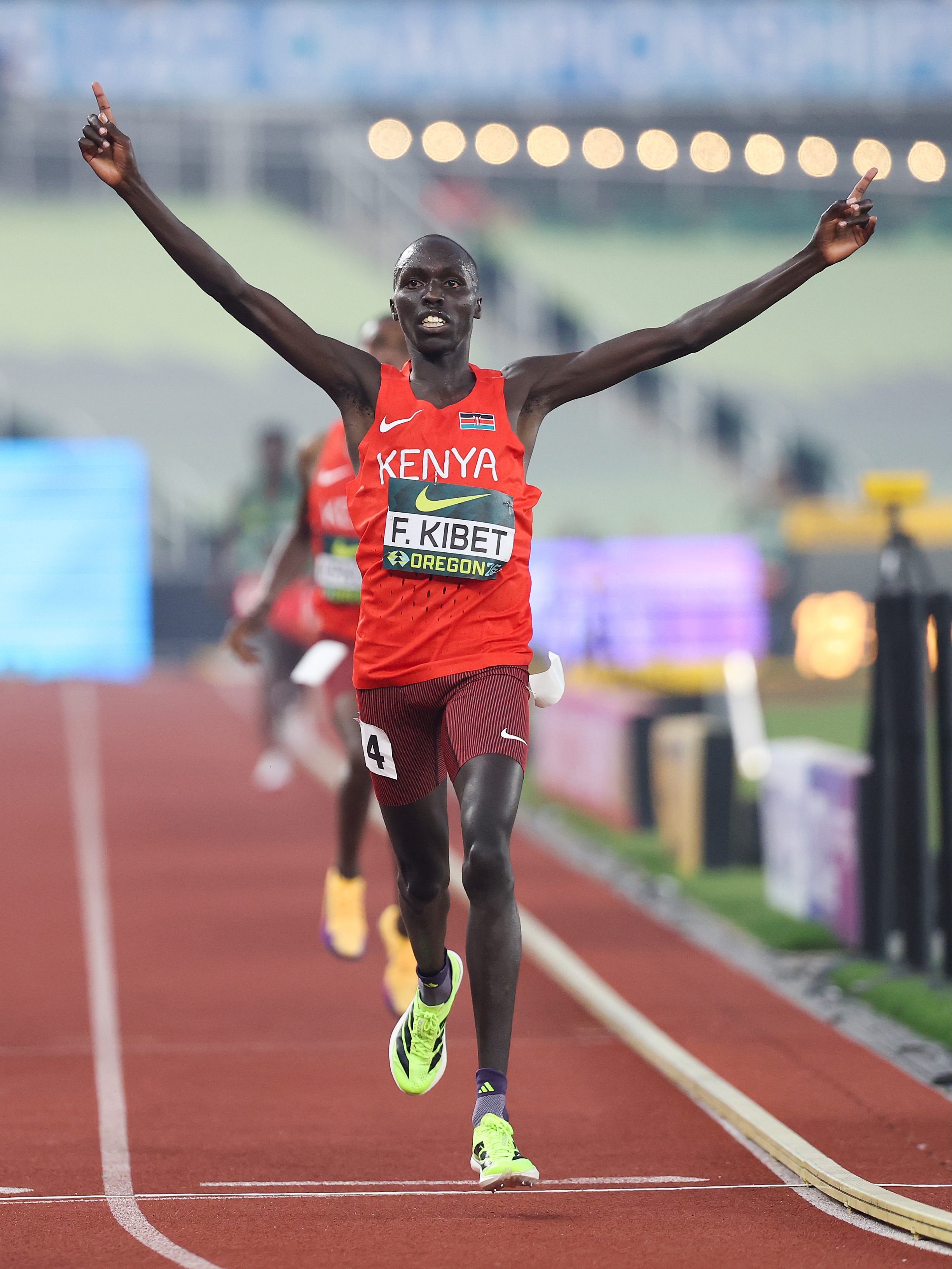
Frankline Kibet won the 5,000 metres final of the World Athletics Under-20 Championships in Eugene, Oregon, in a time of 13 minutes, 28.27 seconds. (Photo / World Athletics)
The global transition is the real story. History is littered with brilliant junior athletes who never reproduced their age-group success at senior level.
Injuries, physical development, coaching changes, education, financial pressures and the demands of professional competition can all disrupt an athlete's progression.
That means Eugene's medal table should not be treated as a prediction of what will happen in 2029. It is better viewed as a talent map.
The Nairobi 2021 generation demonstrates why.
Wanyonyi's journey shows what can happen when junior ability is successfully converted into senior excellence. Tebogo, Alekna, Kebinatshipi, Dambile and Kambundji provide similar examples from different events and countries.
For Eugene's athletes, the next three years will determine which of them follow that path.
Kenya's prospects, and a wider global cast
For Kenya, the names are already beginning to emerge.
Kiprono's championship-record 3,000m victory places him among the athletes whose progression will be closely followed. Kibet's 5,000m triumph presents another potential distance-running storyline, while Sembeyo Mancha's 1,500m victory offers Kenya another young middle-distance prospect.
Someki and Losiwareng could represent the next generation of Kenyan steeplechasers, while Chepkemoi and Chepchirchir give Kenya further prospects in the women's distance events.
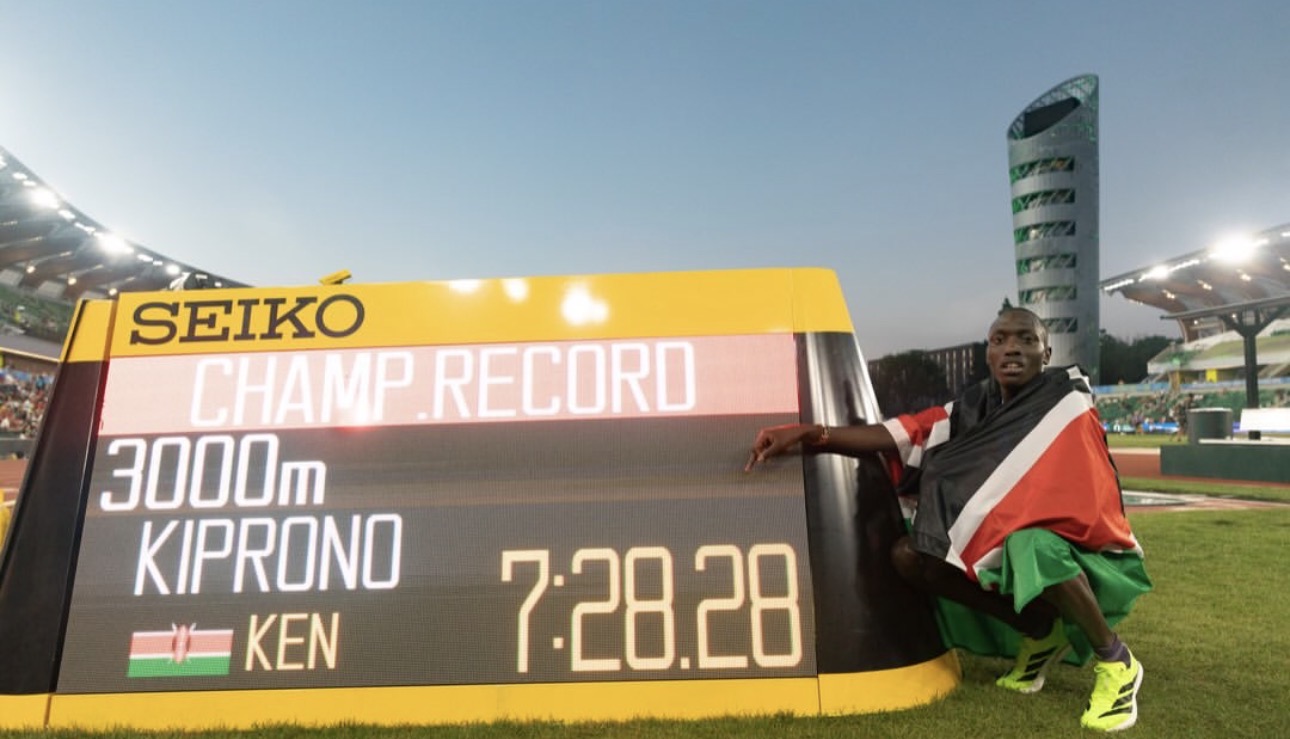
Emmanuel Kiprono's championship-record 3,000m victory places him among the athletes whose progression will be closely followed. (Photo / World Athletics)
But the story extends far beyond Kenya.
The Eugene championships produced young athletes from across the world whose development could reshape the senior rankings before 2029.
Some could become Olympic or world championship medallists. Others could emerge as Diamond League regulars. A few could become global stars.
That is precisely what happened after Nairobi 2021.
Four cities, one 2029 prize
Nairobi's bid is now part of a four-way contest. London, Rome and Munich all bring strong cases, established infrastructure and experience of hosting major sporting events.
London, for example, has secured an agreement concerning London Stadium and is drawing on the legacy of the 2012 Olympics in its case for hosting the championships.
Nairobi's case is different. Kenya is one of athletics' historic powers and has already hosted major international competitions, including the 2017 World U18 Championships and the 2021 World U20 Championships.
The 2021 experience is particularly relevant. It means Nairobi has already demonstrated an ability to bring the world's best young athletes together.
The current bid seeks to take that experience to the senior level and, if successful, bring the World Athletics Championships to Africa for the first time. Whether World Athletics chooses Nairobi, however, remains an open question.
Three years that could define a generation
For the Eugene athletes, the most important period is now the next three years. This is when coaches, federations, clubs, managers and athletes themselves must get the transition right.
Quality coaching, appropriate competition, medical and sports-science support, education pathways and financial stability can all determine whether a promising teenager becomes a durable senior athlete.
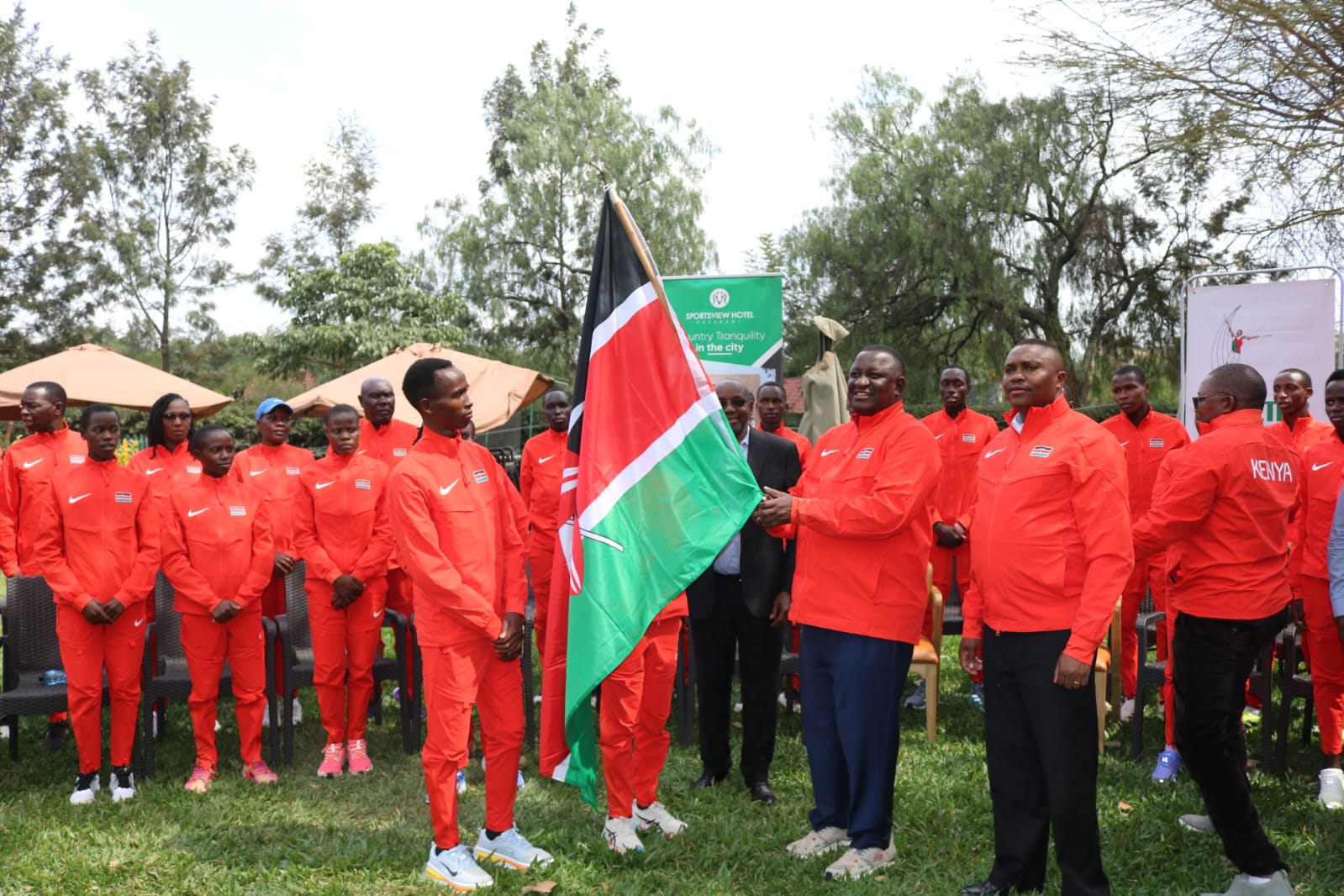
Kenya's Under-20 team receives the flag from Sports Cabinet Secretary Salim Mvurya ahead on their trip to Oregon. Some of the athletes who competed in Eugene as teenagers could return to Kenya three years later as senior championship contenders. (Photo / File)
Kenya's efforts around athlete registration, coach verification, safeguarding and anti-doping compliance are part of a broader attempt to strengthen that development pathway.
The objective should be bigger than producing U20 champions. It should be producing athletes capable of remaining at the top for many years.
If Nairobi wins, Eugene could become a preview. Nairobi's bid will ultimately be decided by World Athletics, not by the promise of Eugene's teenagers. But if Kenya gets the nod, the timing could produce an extraordinary full-circle story.
Some of the athletes who competed in Eugene as teenagers could return to Kenya three years later as senior championship contenders.
Kiprono could be among them. So could Kibet, Sembeyo Mancha, Someki, Losiwareng, Chepkemoi or Chepchirchir. And they would not be alone.
The international generation that emerged in Eugene could also be transformed by 2029. That is what happened after Nairobi 2021.
Wanyonyi, Tebogo, Alekna, Kebinatshipi, Dambile, Kambundji and others followed very different paths, but their junior championships proved to be an early chapter in much bigger senior careers.
Eugene's Real Legacy Will Come Later
Wherever the 2029 championships are eventually staged, the Eugene generation will be one to watch.
For Kenya, the names of Kiprono, Kibet, Sembeyo Mancha, Someki, Losiwareng, Chepkemoi and Chepchirchir will be worth remembering.
Around the world, another group of teenagers has now begun the same difficult journey. Some will fade. Others will establish themselves.
And a handful could become the athletes whose names dominate the sport by the end of the decade.
Nairobi's bid may or may not succeed. But Eugene has already provided the next generation. The next three years will reveal who among them can make the difficult leap from junior promise to senior greatness.
Breakdown of Kenya's medalists across their respective disciplines at the 2026 World Athletics Under-20 Championships in Eugene, Oregon:
Gold Medallists:
Emmanuel Kiprono: Men's 3,000m (Championship Record 7:28.28).
Frankline Kibet: Men's 5,000m (Timed at 13:28.27).
Josephine Sembeyo Mancha: Women's 1500m.
Wilson Chepkwech: Men's 1,500m.
Silver Medallists:
David Kapaiko Sekento: Men's 1,500m.
Nehemiah Kipngeno: Men's 5,000m.
Emmanuel Lemiso Someki: Men's 3,000m steeplechase.
Bronze Medallists:
Anatasha Cheptoo: Women's 3,000m steeplechase.
Caren Chepchirchir: Women's 15,00m.
Joyline Chepkemoi: Women's 5,000m.
Nicholas Kitum Losiwareng: Men's 3,000m steeplechase.