


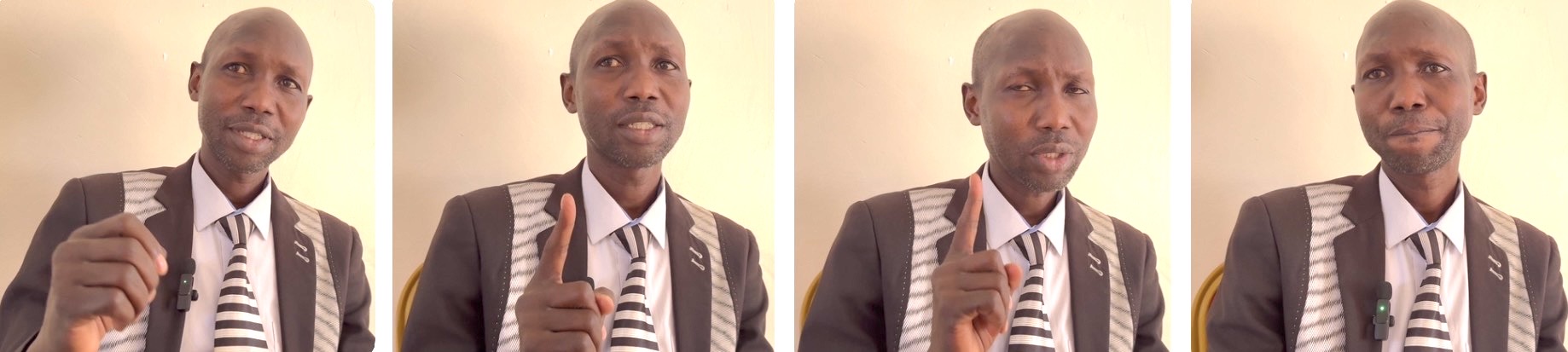
By Elias Makori, Managing Editor
In the high-altitude training haven of Iten, the morning mist hangs heavy over the dirt roads where world champions are made. “Welcome to Iten, Home of Champions” invites a red, metallic arc ushering you into Iten town.
For over a decade, Wilson Kipsang was the king of these roads. He was a titan of distance running, a man who reached the absolute pinnacle of global athletics in 2013 when he shattered the marathon world record in Berlin with a breathtaking time of two hours, three minutes and 23 seconds.
He was an Olympic bronze medalist, a five-time World Marathon Majors champion, and a sporting icon whose name was synonymous with Kenyan running royalty.
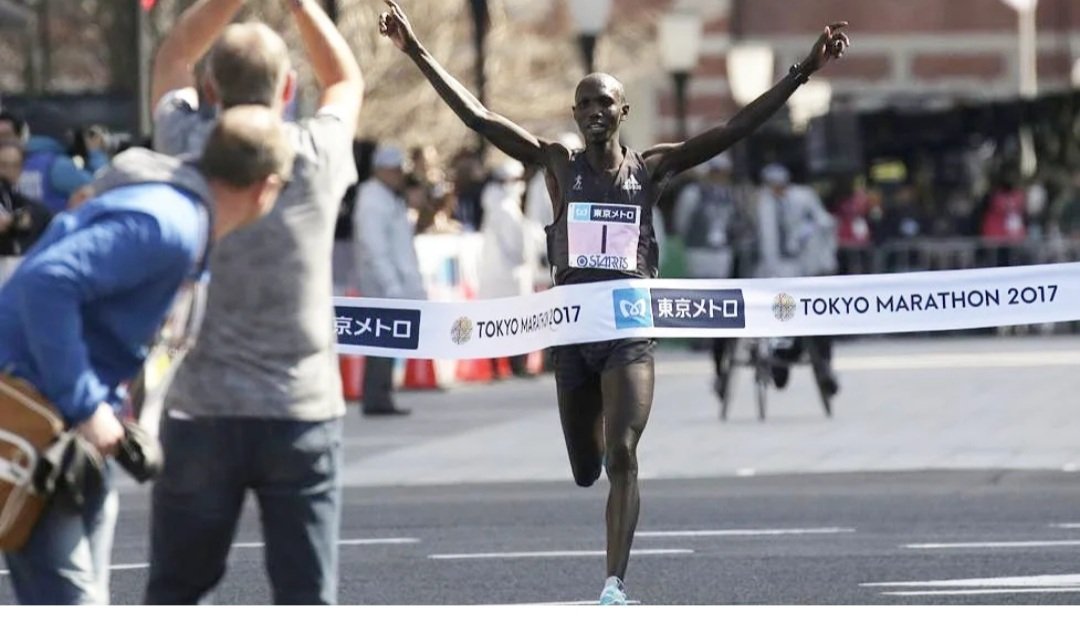
Wilson Kipsang wins the 2017 Tokyo Marathon. Kipsang has opened up on his tribulations in an exclusive interview about the brutal reality of an athlete's life under a suspension. (Photo / File)
But for the last several years, Kipsang has been running in the shadows, cast out into what he calls "the cold."
In January 2020, Kipsang’s world came to a sudden halt. The World Athletics Disciplinary Tribunal, through the Athletics Integrity Unit (AIU), handed him a four-year ban. The suspension was not for a positive drug test — his management team maintains he never tested positive for prohibited substances — but for a series of "whereabouts" failures and subsequent tampering.
Caught in a web of missed out-of-competition tests and a fabricated alibi involving a photo of a traffic accident that investigators proved was taken months later, Kipsang accepted his verdict.
His results between April 2019 and January 2020 were annulled, and he was fined £3,000 (Sh525,000).
Now, having served his time, Kipsang is opening up in an exclusive interview about the brutal reality of an athlete's life under a suspension — and issuing a passionate plea to save those who cannot survive the psychological fall from grace.
We meet at the Iten Manasha Hotel, a modest 20-bed sanctuary nestled in the thin air of Kenya's legendary running capital.
The property was once known as the Keellu Resort—a bustling hub erected by the former world marathon record-holder during the golden zenith of his athletics career. Having since leased out the establishment, the subsequent change of name mirrors the shifting chapters of his own life.
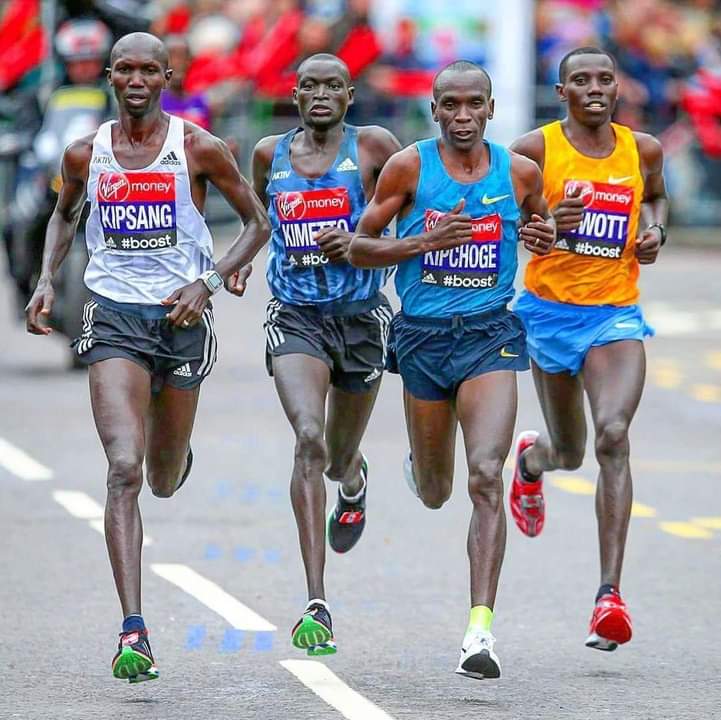
Stellar cast: (From left to right) Wilson Kipsang, Dennis Kimetto, Eliud Kipchoge and Stanley Biwott clash in a star-studded 2015 London Marathon. Kipchoge outkicked Kipsang to win the race in 2:04:42. (Photo / File)
Withered into Quiet Background
As we walk, Kipsang’s eyes fixate on a flowering avocado tree flourishing in the courtyard. "They should spray this tree with the proper treatment..." he quips softly, stepping closer to inspect the branches. It is a poignant vignette: the tree he planted with his own hands is now bursting into vibrant blossom, starkly contrasting with a legendary running career that has slowly withered into the quiet background.
Just as the avocado tree requires proper care, Kipsang notes that the athletic community faces a crisis, advocating for structural support in Eldoret and Iten to address the mental health struggles of sports figures: "My opinion is that if Athletics Kenya cannot establish a counselling centre, then the government should establish a counselling centre in every county, and mostly where the athletes are based like Eldoret and Iten," Kipsang says, speaking with the measured tone of a statesman who has seen the dark side of glory.
For Kipsang, the physical ban from competition is only a fraction of the punishment. The real battle is psychological. Anti-doping rules mandate strict isolation; banned athletes are discouraged from training in official camps, attending events, or even associating and taking photos with active competitors. For an international superstar used to the adulation of thousands, the sudden forced invisibility is jarring.
"Once you are suspended in an issue like ‘whereabouts,’ many people don’t understand what it is anyway," Kipsang explains. "Some think, ‘this guy has doped in one way or another.’ The rules don’t allow you to associate with them, attend events, or take photos with them. That kind of stigma is where the problem is. If you are not in a position to handle that, then it becomes stressful to many athletes."
Kipsang describes a world where you must actively avoid public spaces because fans want to take photos that you are legally barred from taking. He recounts the disorientation of losing a life structured entirely around high-performance routines.
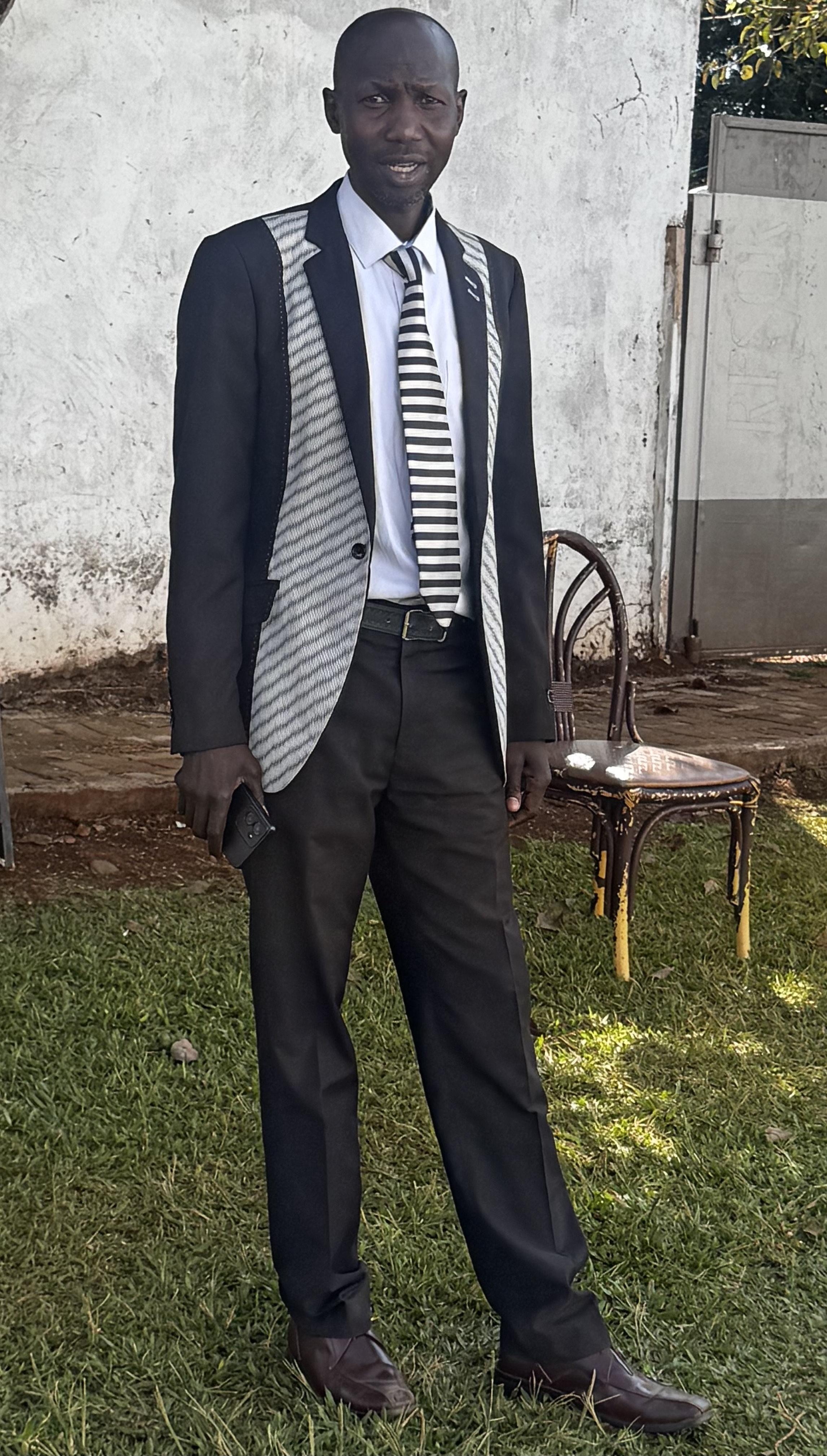
Wilson Kipsang during the interview. Kipsang is campaigning for government-backed counseling hubs to support athletes dealing with the mental and emotional fallout of bans and retirement. (Photo / Elias Makori)
"The challenges I’ve had mostly is after the issue that came up, I could not fit into my normal routine of waking up early, training and meeting former athletes… You are off camera and you have to fit into society."
Weight of The Exile
While Kipsang managed to pivot to a quiet life of farming and business, he watches with growing alarm as other suspended athletes disintegrate under the weight of the exile.
The lethal combination of sudden financial ruin and community shaming often drives athletes toward substance abuse and deep psychological crises.
"The problem is that if somebody has been banned for four years and he or she has not invested, with nobody to talk to, he becomes stressed. People will start talking ill of him… people talk about an athlete who has been banned drinking, but they don’t dig inside to see what the problem is," Kipsang points out.
“An athlete becomes stressed, sinking into depression and eventually, he dies,” he warns bluntly. "We need counselling centres."
As Kipsang campaigns for government-backed counseling hubs to support athletes dealing with the mental and emotional fallout of bans and retirement, global athletic bodies are beginning to acknowledge the gap in support systems.
Addressing these concerns, Raphael Roux, the Global Out-of-Competition Testing Manager for the Athletics Integrity Unit (AIU), concedes that a protective framework is a necessary development.
Roux notes that while the anti-doping watchdog is actively designing a specialized procedure to rehabilitate suspended athletes and prevent them from sinking into depression, the initiative remains an ongoing project.

Raphael Roux, the Global Out-of-Competition Testing Manager for the Athletics Integrity Unit (left) with Athletics Kenya President Jackson Tuwei during the launch of the digital ecosystem 'Riadha Connect'. Roux notes that AIU is actively designing a specialized procedure to rehabilitate suspended athletes. (Photo / Robert Kibet / Athletics Kenya)
“We have a 'work in progress' procedure to establish something, yes, but it is not out yet. I have talked to Athletics Kenya about this as we believe there is a lot to do with those athletes who have received a ban, not only to advise them but also maybe to use them for education if they show a desire to share their experience. There is currently a working group involving medical personnel at the Kenyan level to work on this topic amongst other medical matters,” Roux explains.
He reveals that the AIU has initiated talks with Athletics Kenya to explore how to best advise banned runners and potentially involve those who wish to share their experiences in peer-led educational roles.
In Kenya, the Anti-Doping Agency of Kenya (ADAK) is the watchdog chasing violators. ADAK’s Chief Executive Officer Penina Wahome joins Roux in expressing concerns over the downward spiral lives of banned athletes are taking, offering to mitigate against this dark side.
“At the Anti-Doping Agency of Kenya, we appreciate and acknowledge our role as regulators, and that we have a mandate to implement the anti-doping requirements as per the (Anti-Doping) Code. But we also acknowledge that athletes who have been banned and are suffering periods of ineligibility manifest different behaviours, and especially around issues of social stigma, end of careers and all negative aspects that follow sanctions out of our processes,” Wahome explains.
Protect Clean Athletes
“In this regard, we have not hidden our heads in the sand, and we would like athletes to look at ADAK as trusted partners in terms of follow-ups. They should feel free to talk to us and we can recommend or connect them with trusted partners who can help them in terms of rehabilitation.
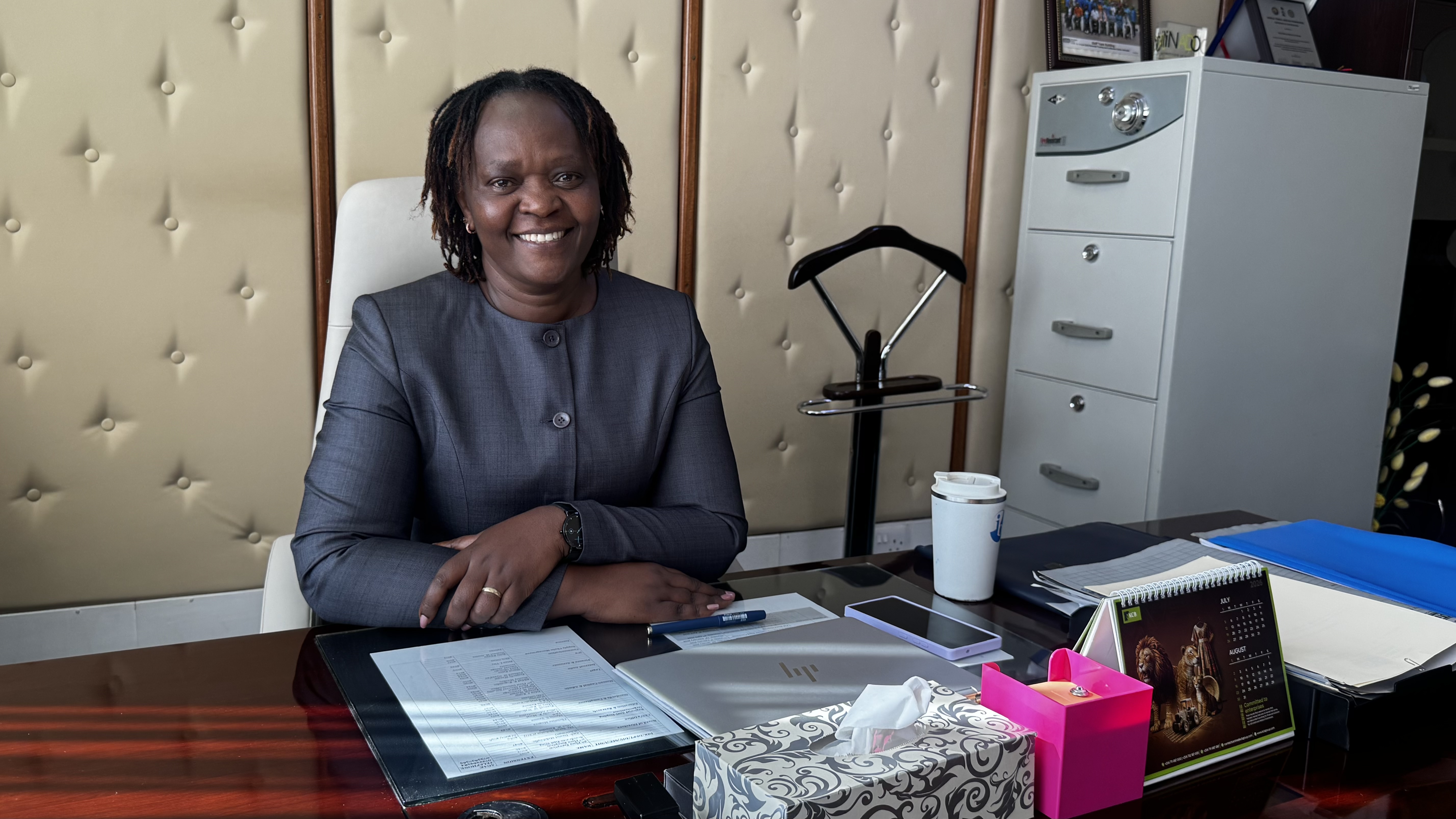
Anti-Doping Agency of Kenya (ADAK) CEO Penina Wahome: 'Athletes should look at ADAK as trusted partners.' (Photo / Elias Makori)
“We will also engage federations and the government in terms of establishing trusted institutions where athletes can go for counselling and can be supported throughout this process because, most important, is that they appreciate and acknowledge that doping happened whether directly – intentioned doping – or inadvertently, and that they can come back to compete clean because we protect clean athletes in our processes.”
Former athlete Barnaba Korir, currently the National Olympic Committee of Kenya (NOCK) Vice-President and head of Athletics Kenya’s Youth Development Programme, agrees that athletes serving anti-doping bans or battling financial challenges must accept their situation in order to be helped.
“Athletes who also acknowledge the challenges they are facing and accept the wrong decisions they made can also be used as ambassadors against these vices and be mainstreamed back into society because they are not criminals,” he says.
Kipsang strongly denies rumors that he fell into a drinking problem himself, explaining that he simply had to drastically cut down his lifestyle expenses because his competitive income had dried up — a financial shift that onlookers misinterpreted as ruin.
But to keep the darkness from closing in, he admits he had to swap his old running circles for a few beers and the distraction of new companions.
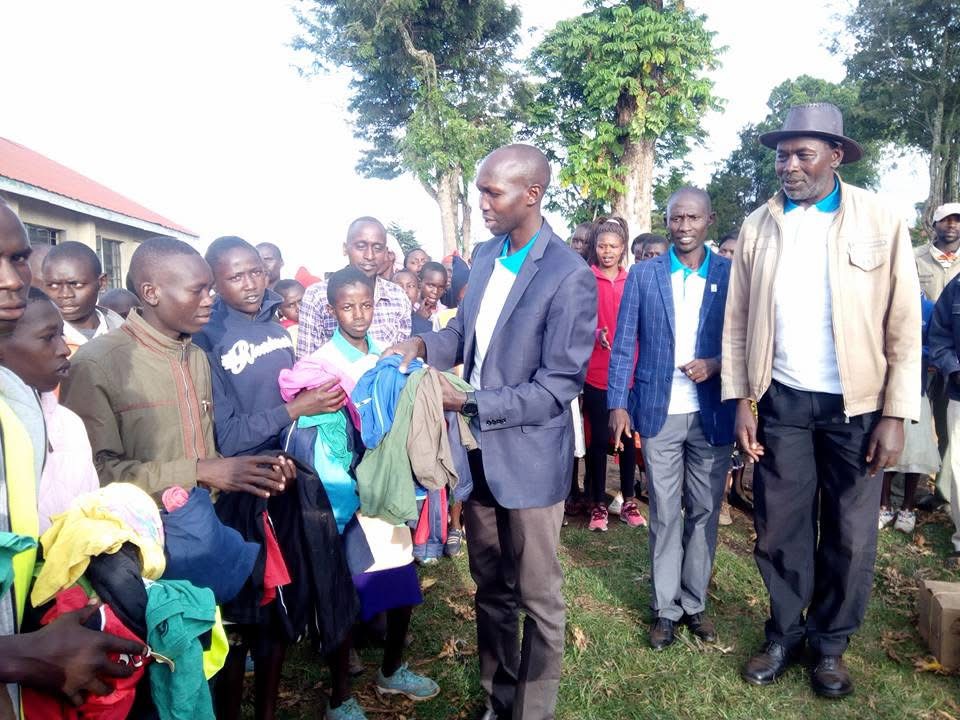
Wilson Kipsang (centre) makes a donation of athletics kit to athletes at a junior camp at the Kitany Secondary School where he also donated foodstuff worth 150,000 in 2018, a bygone era when his own resources served as the community's lifeblood. (Photo / Wilson Kipsang)
His blueprint for the proposed rehabilitation centres is deeply communal and holistic, tailored specifically to the cultural fabric of Kenyan athletes. He envisions a safe haven staffed by a trusted support system. "In that counselling centre, we should have one elderly female, one elderly male, who is professional, and one pastor or spiritual leader—if we have these three people in a counselling centre, the athlete will go to this office for counselling. If we have such people, it will assist many athletes."
Upcoming Gathering of Athletes
The memory of Kipsang’s altruism forms the foundation of an upcoming gathering on August 22, when waves of athletes from major training hubs across Kenya plan to descend upon Iten to offer their solidarity.
For Kipsang, the visit is a reminder of a bygone era when his own resources served as the community's lifeblood. During his peak competitive years, his training routine routinely took him on vast circuits across Kapsabet, Kericho, Ngong, Nyeri, and Nyahururu.
He noticed back then that many local runners lacked basic support during grueling long-distance training sessions.
“During my time in training, I used to travel a lot to many places," Kipsang recalls. "When I went to such places, I trained with athletes. I realized when they went for long runs, they had no car to assist and I would use my car to help them in training. I used to move around and after training join them for meals and assist those who had problems, not knowing that there will be a time when they would like to assist Kipsang.”
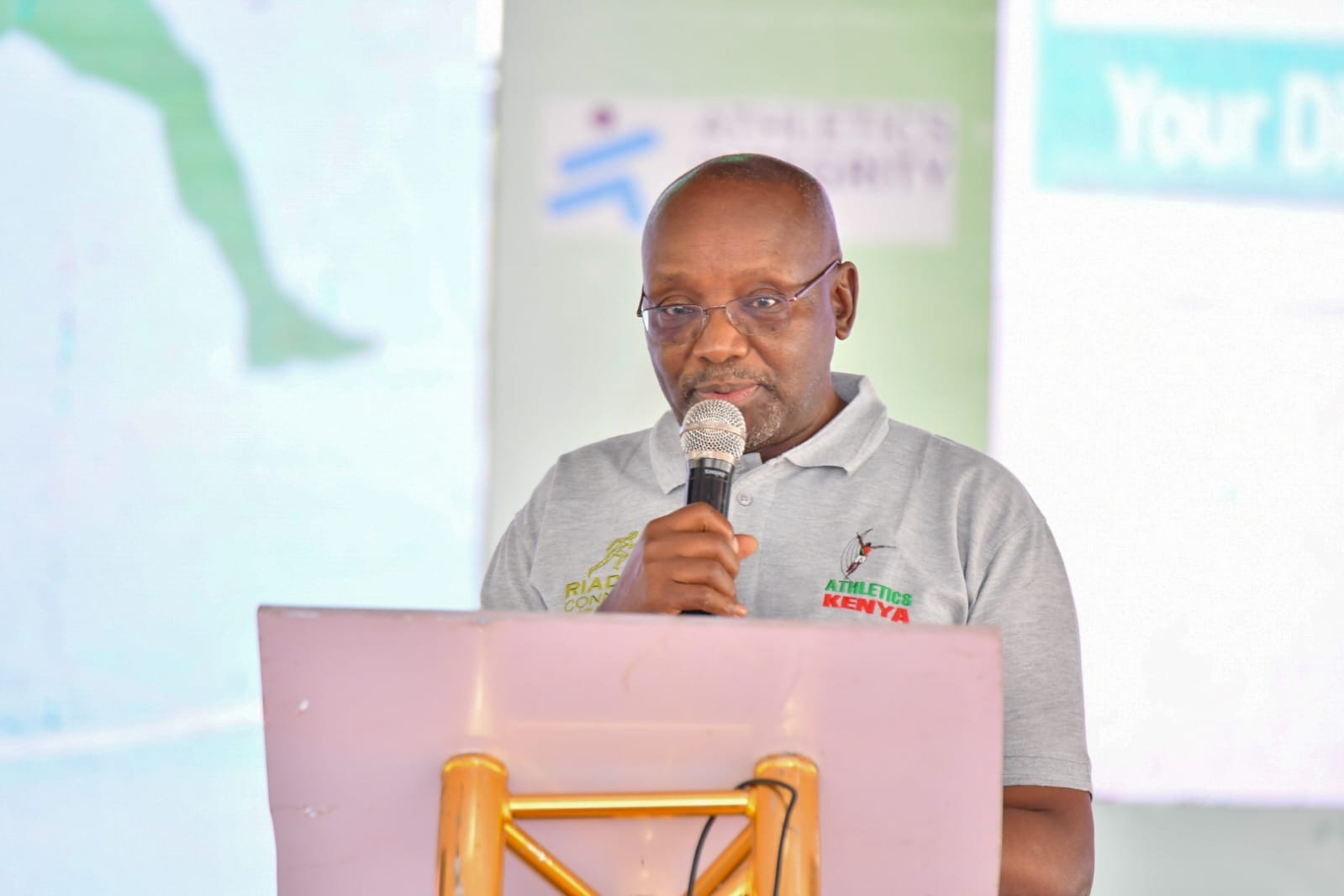
National Olympic Committee of Kenya Vice-President Barnaba Korir says athletes serving anti-doping bans or battling financial challenges must accept their situation in order to be helped. (Photo / Robert Kibet / Athletics Kenya)
His advocacy extended far beyond the roads. As the former president of the Professional Athletes of Kenya (PAK), Kipsang operated as a fierce labor advocate, confronting exploitative international race organizers and managers who withheld prize money.
“I really intervened during my time as PAK president," he explains. "There are many athletes who had lost their money to managers and race organisers. As PAK president I used to write emails and pushed for these payments. There is a guy who received 35,000 dollars from a race organiser who had not paid until I wrote an email. I pushed for a lot of athletes to get their money.”
When tragedy struck the community, PAK organized funerals, coordinated fundraisers, and funneled structured charity through the Wilson Kipsang Foundation.
"When an athlete died we would organize the funeral, wherever there was a fundraising we would help," Kipsang says. "Through the Wilson Kipsang Foundation we helped many people. The foundation took a break during Covid but now it's back.”
The impulse for the upcoming meeting sparked unexpectedly when fellow runners from Machakos, Ngong, and Kericho began calling him, noting his prolonged absence from the elite athletic circuit. They deeply missed his mentorship, his carefully structured training programmes, and his presence.
“Athletes just called me and told me, ‘Kipsang, we used to be together but we haven’t seen you for a while... You assisted us and because we are your friends and gave us a good programme but we haven’t seen you.’ They asked me to give a date to visit me and I set aside August 22 when they will come and visit me in Iten,” Kipsang says.
Immense Organizational Influence
While organized primarily by his peers, Kipsang has warmly extended the welcome to local politicians and leaders, many of whom frequently relied on his immense organizational influence to rally the athletic community's significant voting power during past election campaigns.
“They are coming as friends and fellow athletes, and I highly welcome other friends, including politicians who are friends of athletes," Kipsang notes. "Whenever they are campaigning, they talk to me to organize a forum for athletes. They know athletes, with their numbers, have a lot of votes.”

Wilson Kipsang mentoring young ones during his heyday. Whether the 44-year-old can ever replicate the blistering speeds that saw him conquer London, New York, and Tokyo remains to be seen. (Photo / File)
For Kipsang, his personal chapter of isolation is finally coming to a close. While he spent the last several years training primarily alone or with a tiny, trusted circle, his focus has shifted back to the road. His suspension formally concluded in early 2024, and the hunger to compete has never truly left him.
"I’m back training although it has been a long time," Kipsang says, looking toward the future. "It has been five years in the cold and this is the sixth year now. But for the duration that I’ve been out, I have been training but not as I used to do. I feel that in the next six months, I will be able to compete.
“I can still have the ability to compete. These days when we go for 30km with the guys, I finish with them... I’m not left behind, and they even tell me ‘Kipsang, you can still do it!’ I trust in myself in staying focused, and when I consistently follow the programme that I have, within four months I can compete at the top level.”
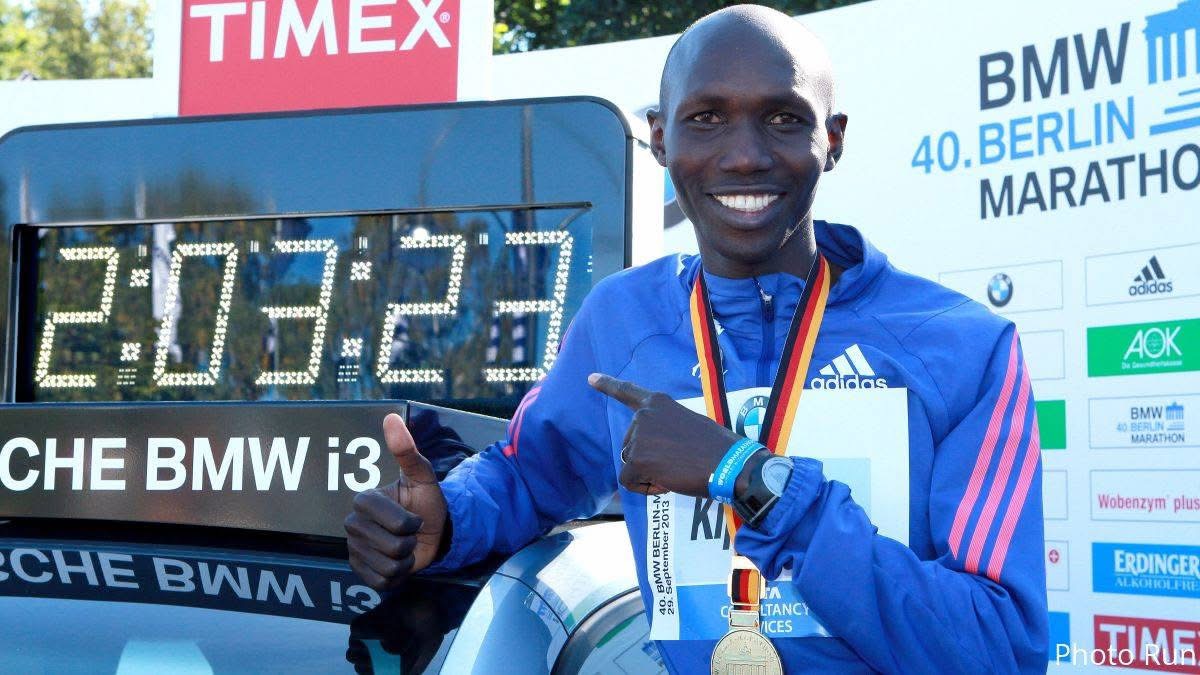
Wilson Kipsang after breaking the World Record at the 2013 Berlin Marathon. He is demanding a lifeline for the broken athletes left behind in the dark. (Photo / File)
Whether the 44-year-old can ever replicate the blistering speeds that saw him conquer London, Berlin, New York, and Tokyo remains to be seen.
But as Kipsang prepares to step back into the light of competitive racing, his most important legacy might no longer be his world records or his medals. It may well be his voice, speaking out from the cold, demanding a lifeline for the broken athletes left behind in the dark.
elias.makori@ymail.com