


By Robert Kibet, Special Correspondent
Three days into the 2026 World Athletics Under-20 Championships in Eugene, Oregon, the medal table told only part of the story. By Saturday morning, Africa’s rising stars completely rewrote it, turning Hayward Field into a theatre of continental dominance with two historic distance victories.
The more revealing question is what Eugene has already told us about the next generation of athletics. There have been familiar winners, emerging powers, and performances that have challenged expectations.
For Africa, Kenya supplied the strongest early statement in the endurance events, but the continent’s story is stretching far beyond its traditional distance-running identity.
With the latest weekend explosion, Oregon 26 is offering a definitive glimpse of where senior athletics is heading.
Saturday Morning Masterclass: An African Takeover
If the first two days suggested a battle of attrition, Saturday morning delivered a statement of absolute supremacy.
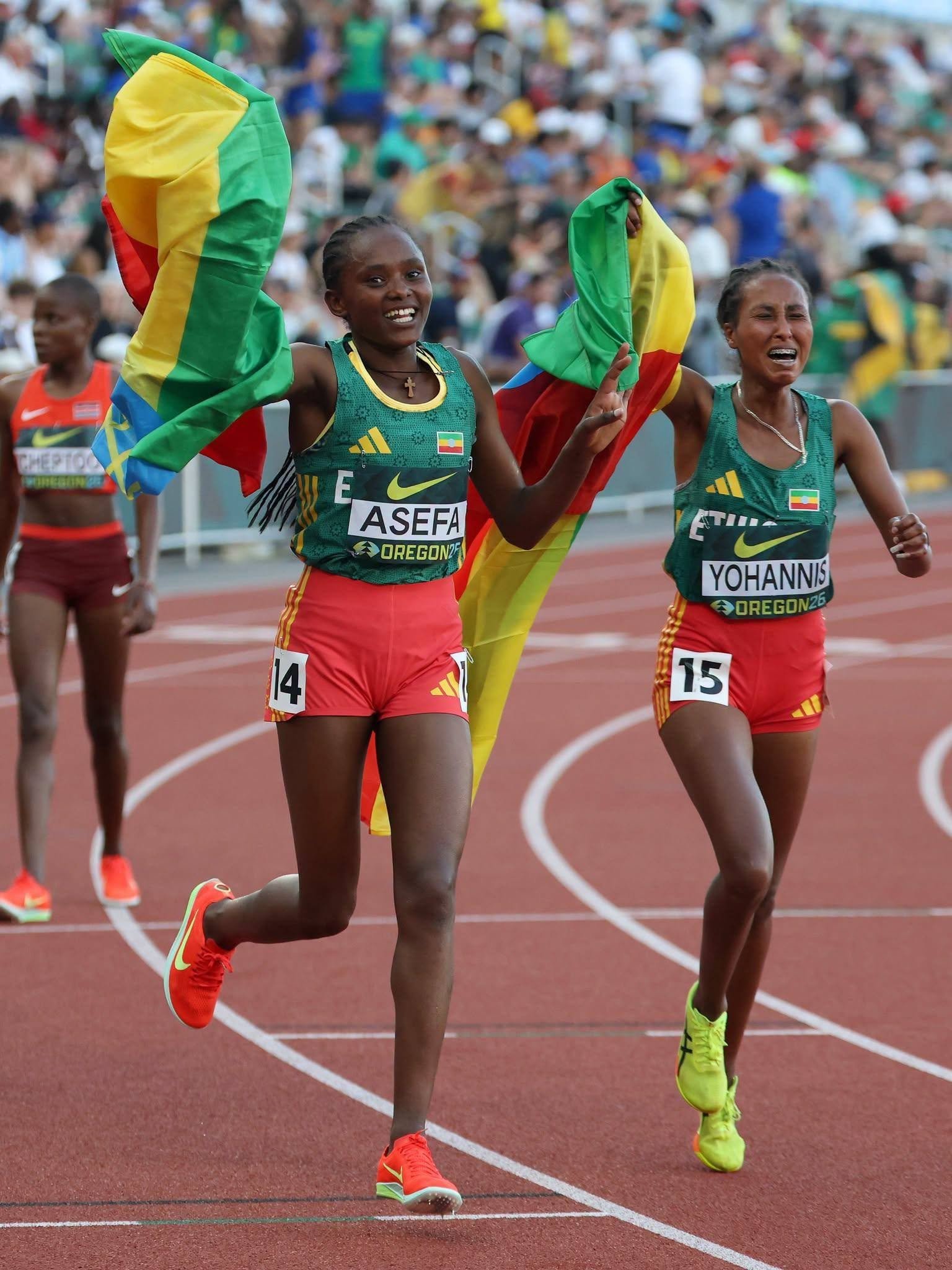
Almaz Yohannis led a spectacular Ethiopian 1-2 finish in the steeplechase, crossing the line in a world U20 leading time of 9:15.81. Her compatriot Wosane Asefa secured the silver in 9:30.50. (Photo / World Athletics)
In the women’s 3,000 metres steeplechase, Ethiopia did not just win; they dictated terms to the rest of the world. Almaz Yohannis led a spectacular Ethiopian 1-2 finish, crossing the line in a world U20 leading time of 9:15.81. Her compatriot Wosane Asefa secured the silver in 9:30.50, while Kenya’s Anatasha Cheptoo Langat locked in the bronze in 9:37.16.
The sweeping performance re-established the Horn of Africa’s unyielding grip on tactical barrier racing.
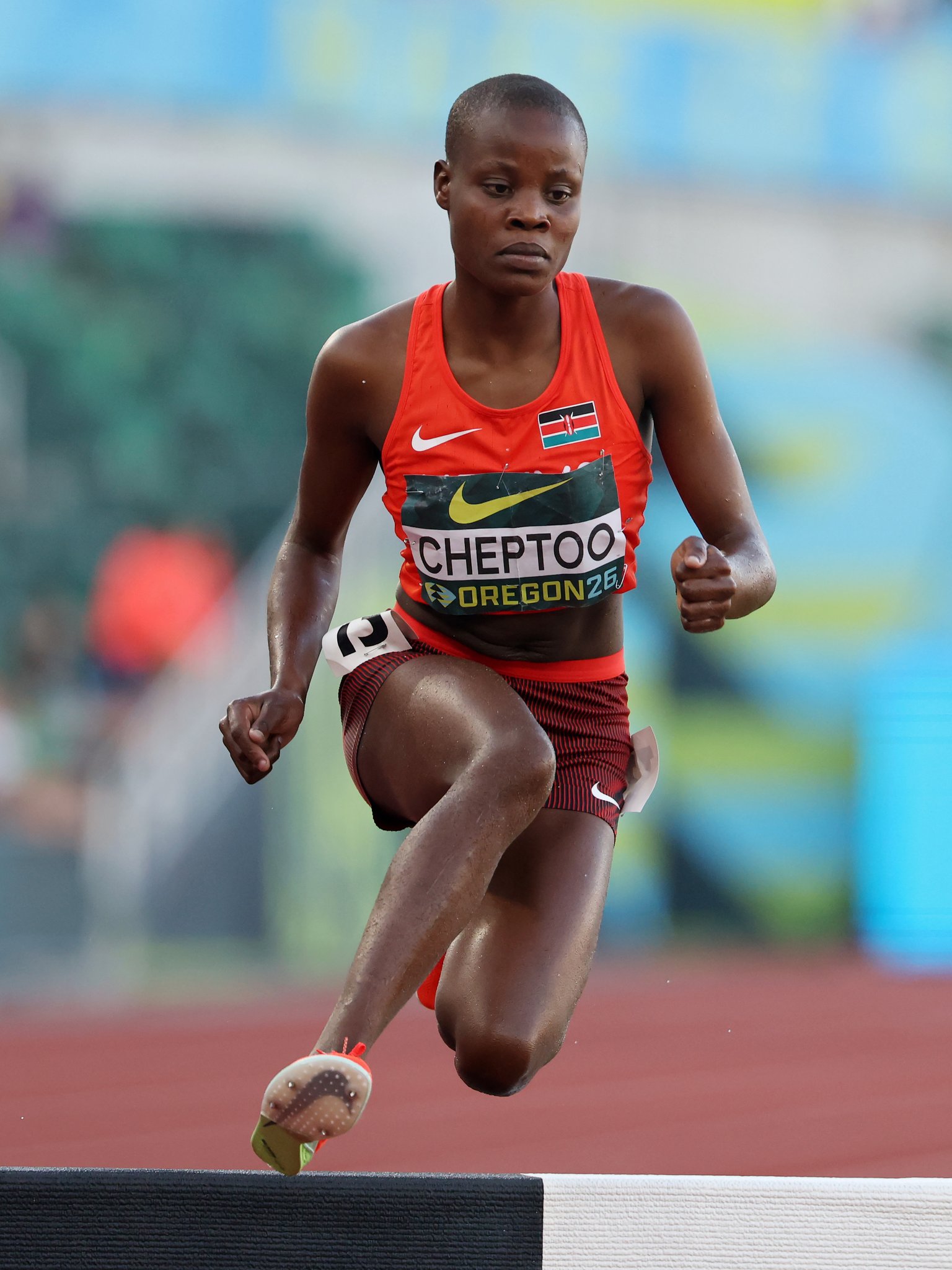
Anatasha Cheptoo Langat of Kenya locked in the steeplechase bronze in 9:37.16. (Photo / World Athletics)
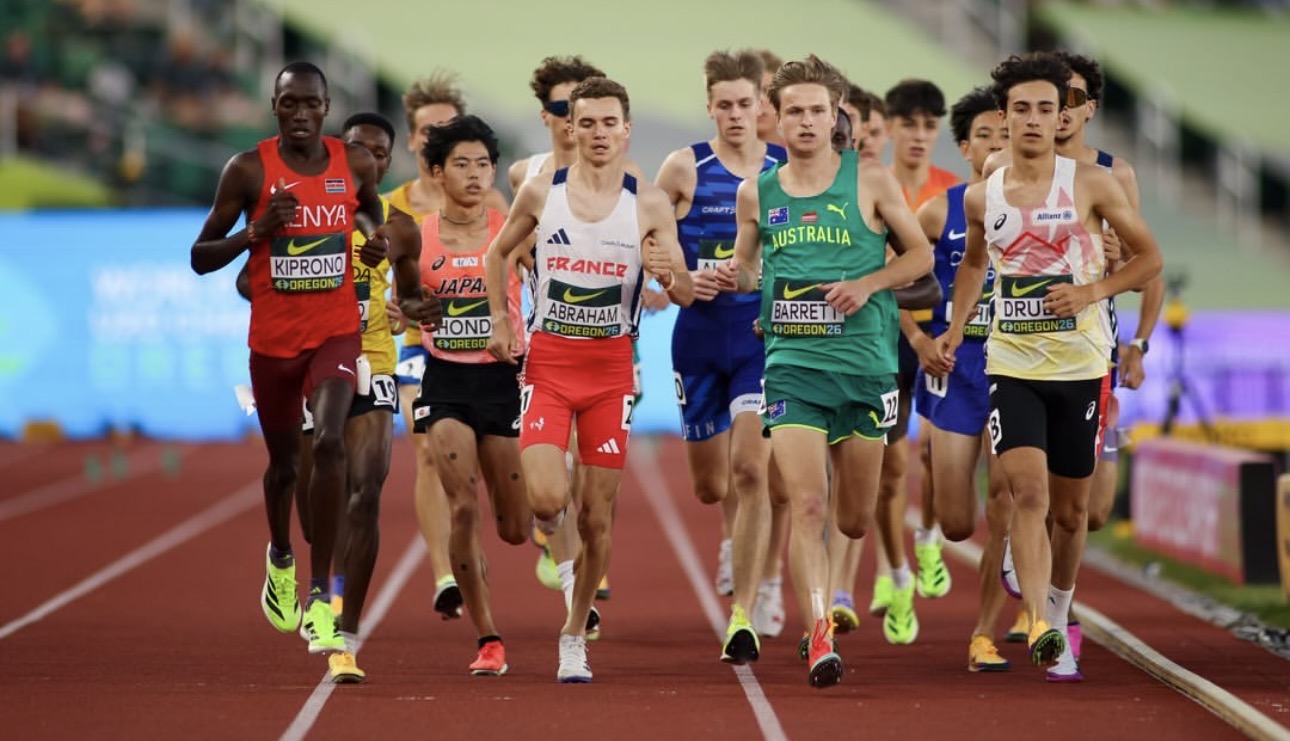
Moments later, the men’s 3,000m final produced what is instantly being hailed as the performance of the championships. Kenya’s Emmanuel Kiprono put on a masterclass of front-running bravery. Taking the lead from the gun, Kiprono solo-ran a mind-boggling 7:28.28, shattering the previous championship record by nearly 14 seconds.
He missed Jakob Ingebrigtsen’s elusive world U20 record by a heartbreakingly close 0.09 seconds. Kiprono finished almost 20 seconds ahead of his nearest challenger, France’s Alois Abraham, proving that Kenya's pipeline of distance talent remains untouchable.
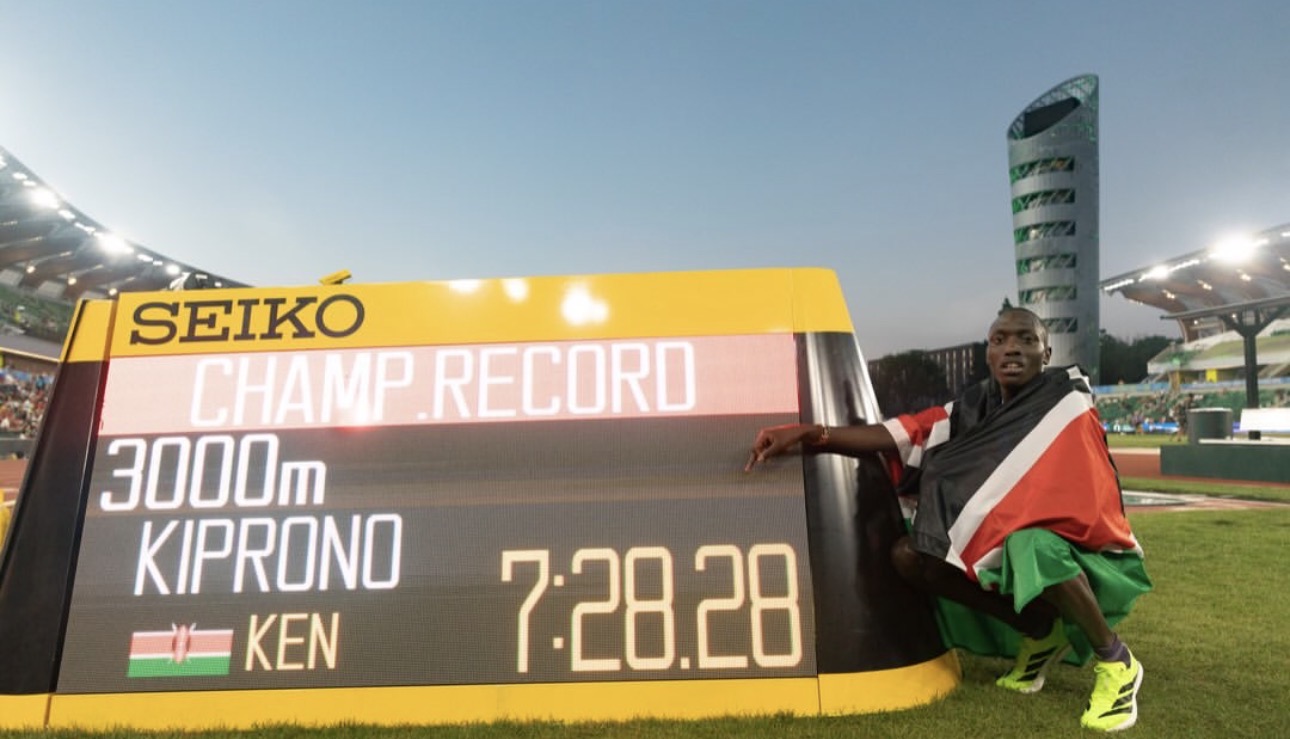
In the 3,000 metres, Emmanuel Kiprono solo-ran a mind-boggling 7:28.28, shattering the previous championship record by nearly 14 seconds. (Photo / World Athletics)
Kenya Starts Strongly — And Its Depth Is the Story
Kenya’s distance-running reputation was reinforced emphatically from day one. The opening men’s 5,000m final produced a powerful statement, with Franklin Kibet, the reigning world cross country champion, leading fellow Kenyan Nehemiah Kipng’eno to a one-two finish. Kibet claimed gold in 13:28.27, while Kipng’eno followed in 13:30.09.
For Kibet, the victory extended a remarkable championship season. Having won the World Cross Country title, he returned to training with Eugene in mind and credited that preparation for his latest success.
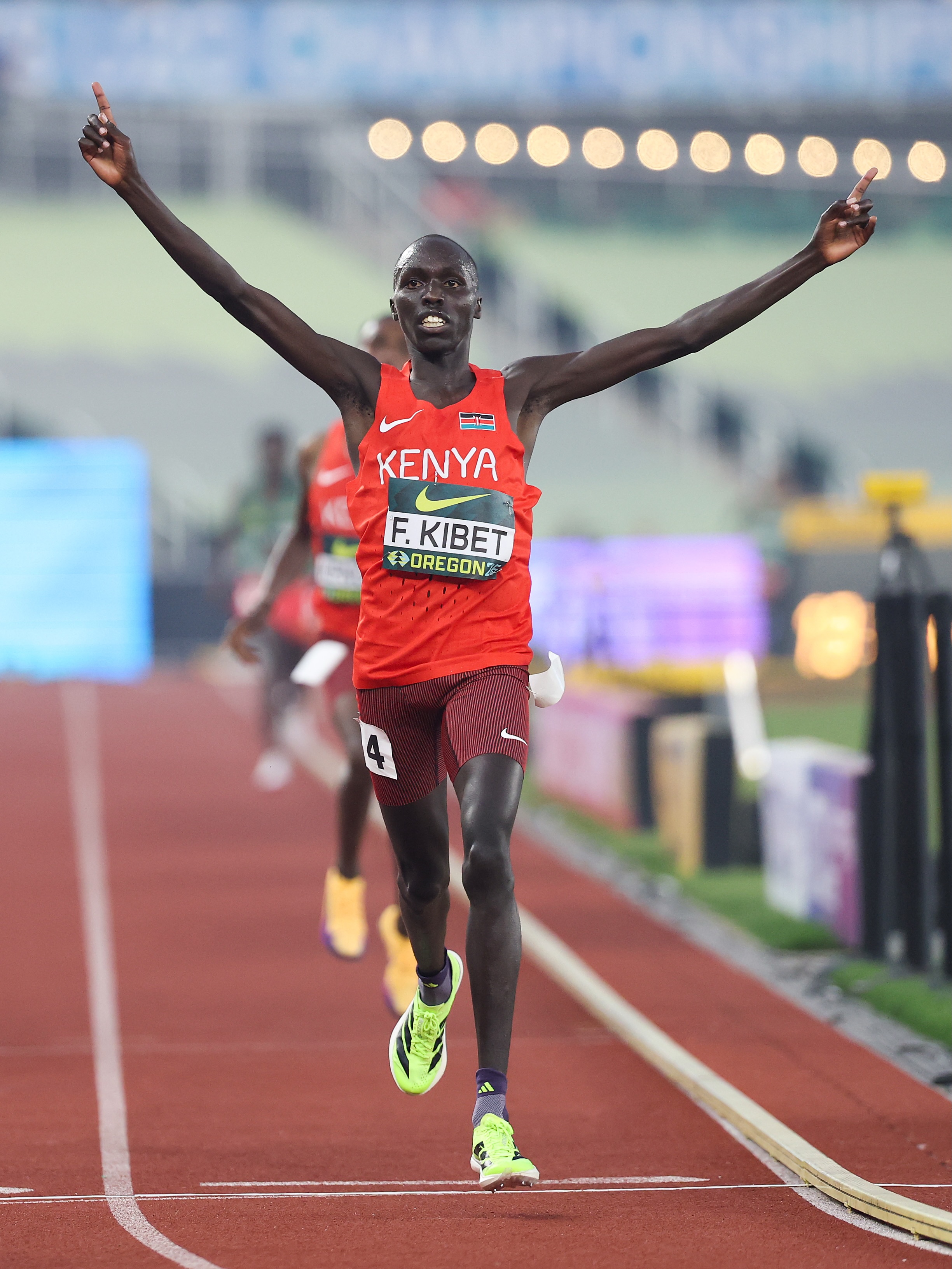
Franklin Kibet, the reigning world cross country champion, led fellow Kenyan Nehemiah Kipng’eno to a one-two finish in the 5,000m. (Photo / World Athletics)
“I am so happy to have won this championship,” Kibet said. “I was so grateful to be able to win the World Cross Country, and I went back and trained very well. That is why I was able to win this championship.”
Kipng’eno, meanwhile, viewed the silver as another step towards the senior stage. “I am so grateful that I could run a fast time at the world level, and am so grateful to have won silver for my country,” he said.
Ethiopia’s Kebede added bronze and improved his personal best by about 20 seconds, underlining the continuing strength of Africa’s distance-running rivalry. His ambitions already stretch beyond the junior ranks, with the Ethiopian looking towards future Olympic and World Championship encounters.
But Kenya’s most intriguing evidence of depth came on day two. All four of its 1,500m entrants — David Kapaiko Sekento, Wilson Chepkwech, Caren Chepchirchir, and Josephine Sembeyo Mancha — won their heats.
Sekento, just 16, ran 3:43.60 and showed the patience to wait before making his decisive move. He was dismissive of the significance of his age.
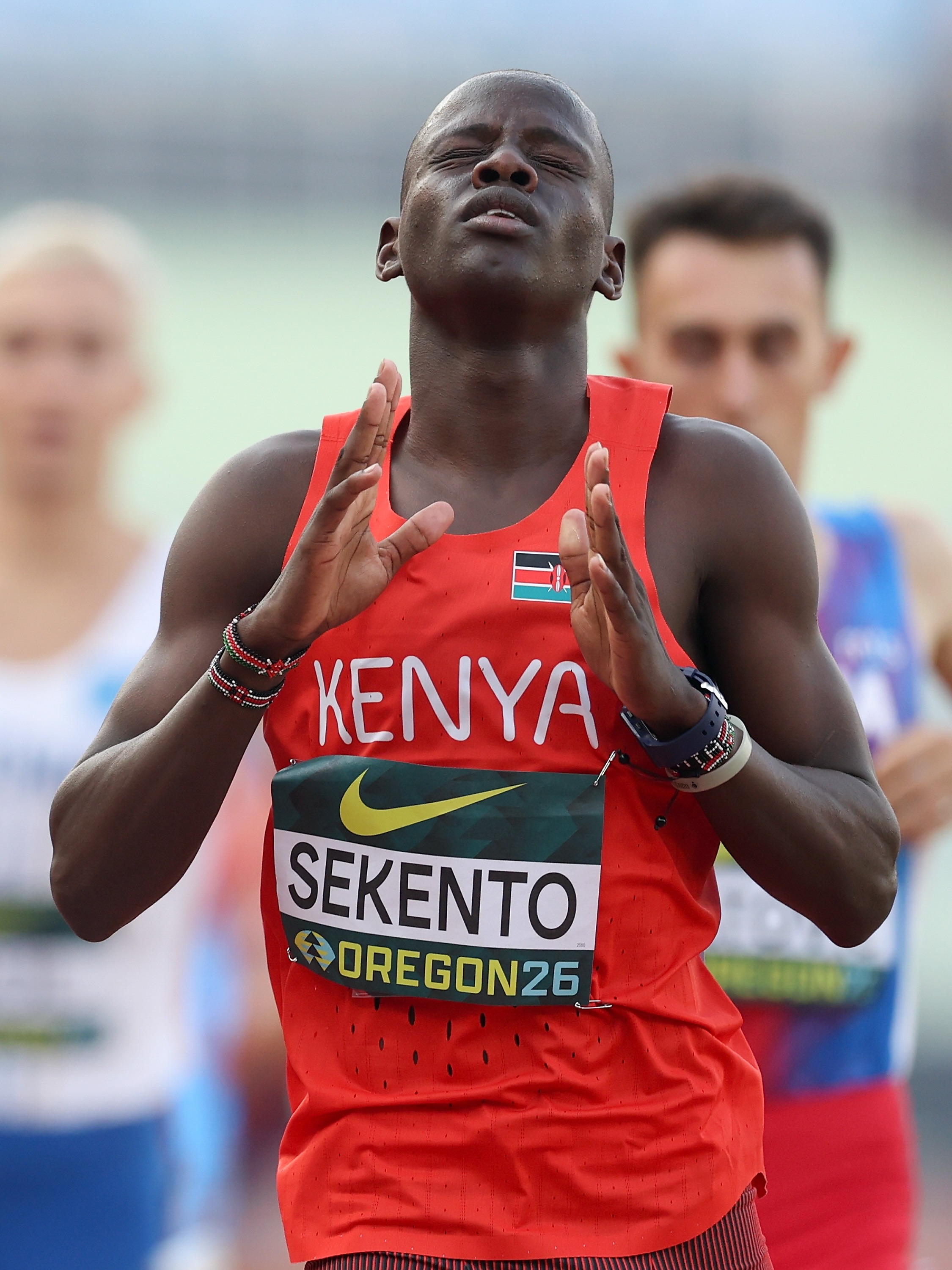
David Sekento, just 16, ran 3:43.60 in the 1,500m qualifiers, showing the patience to wait before making his decisive move. (Photo / World Athletics)
“I don’t feel anything special for being 16 years old and part of Team Kenya here,” he said. “I know I can achieve good things here.” He looks to former world champion Timothy Cheruiyot as a role model.
Chepkwech took a more aggressive approach, controlling the race before relying on his finishing speed. Chepchirchir brought something different: recent experience competing against senior athletes in the Diamond League.
And Sembeyo added a human-interest layer to Kenya’s impressive qualifying performance, winning in 4:12.21 on her 19th birthday. “I’m so happy. I thank God for giving me the strength to run and perform like this,” she said.
She named Faith Kipyegon and Mary Moraa as role models and said she was working towards following their example.
Four heat wins do not guarantee four medals. But they suggest Kenya has arrived in Eugene with a generation increasingly comfortable with the tactical demands of championship racing.
South Africa Adds New Dimension to Africa’s Sprint Story
If Kenya’s performance was confirmation, South Africa’s Marko Ferreira supplied one of the clearest surprises.
Ferreira won bronze in the men’s 100m in 10.13, putting an African sprinter on the podium of one of the championship’s most-watched events.
The performance came against a difficult preparation backdrop. Ferreira said South Africa’s winter had sometimes forced him indoors because of cold and rain.
“The race wasn’t anything I could have imagined, but it was the best I could execute on this night,” he said.
The result matters because the African sprint story is becoming broader. Nigeria, South Africa, and Botswana are producing athletes increasingly capable of challenging established sprint powers.
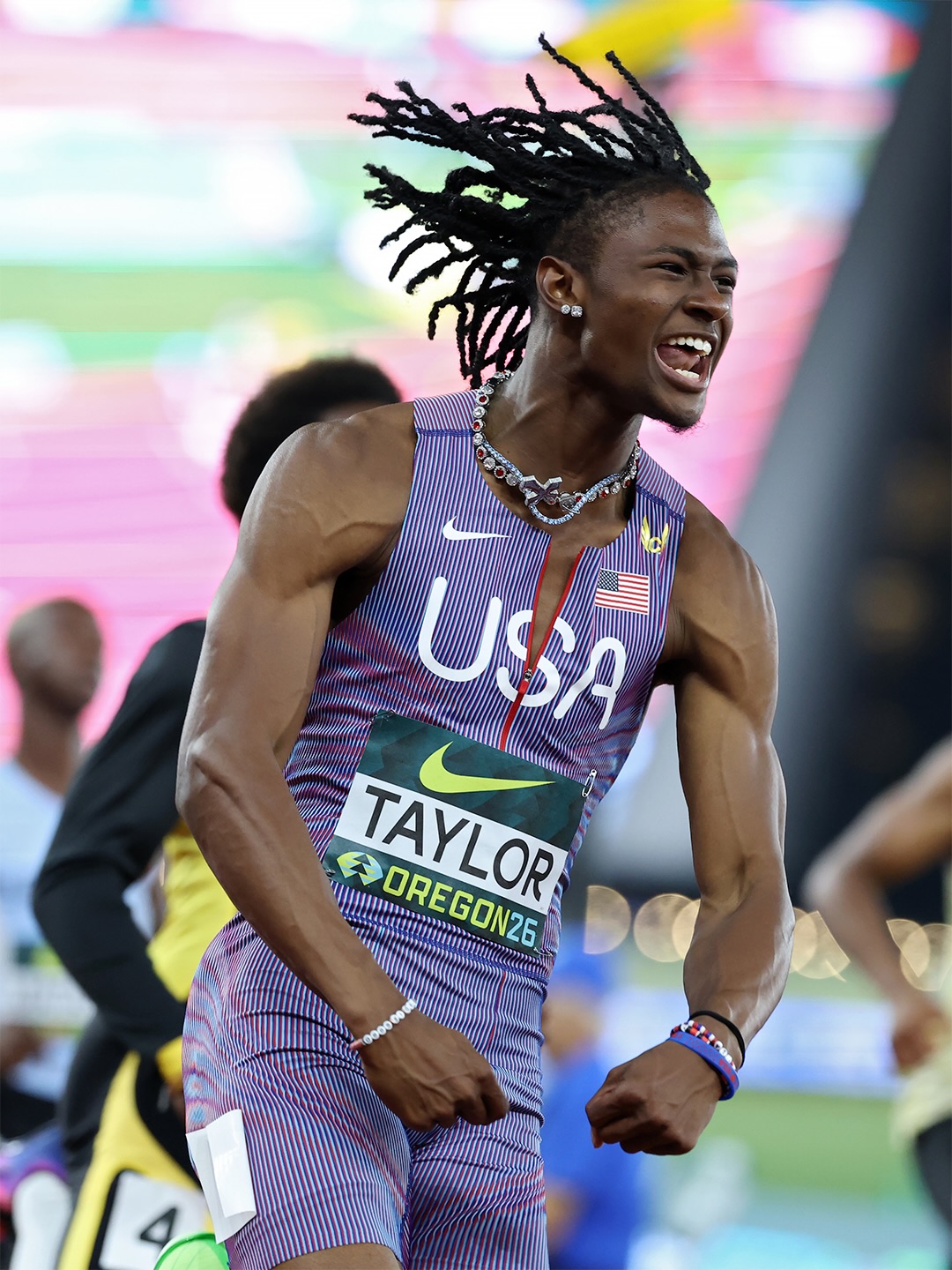
The 100m final also belonged to American teenager Tate Taylor, who won gold in 9.94, moving joint fifth on the all-time world U20 list. (Photo / World Athletics)
The final also belonged to American teenager Tate Taylor, who won gold in 9.94, moving joint fifth on the all-time world U20 list. Taylor attributed his performance to faith, self-belief, and adjustments made after the semi-final, before turning his attention towards helping the US 4x100m relay team.
The contrast was revealing: an African sprinter on the podium, an American teenager producing a world-class junior mark, and a global field already operating close to senior standards. By Friday evening, Team South Africa added to this momentum, raking in two more medals to continue climbing the overall table on day three.
Nigeria Shows Why Africa’s Field-Event Story Deserves Attention
One of the easiest mistakes in African athletics coverage is to make distance running the entire story. Oregon is offering reasons to resist that temptation.
Nigeria’s Jessica Oji converted her credentials into a breakthrough in the shot put, producing a 17.56m Nigerian U20 record on her way to the title.
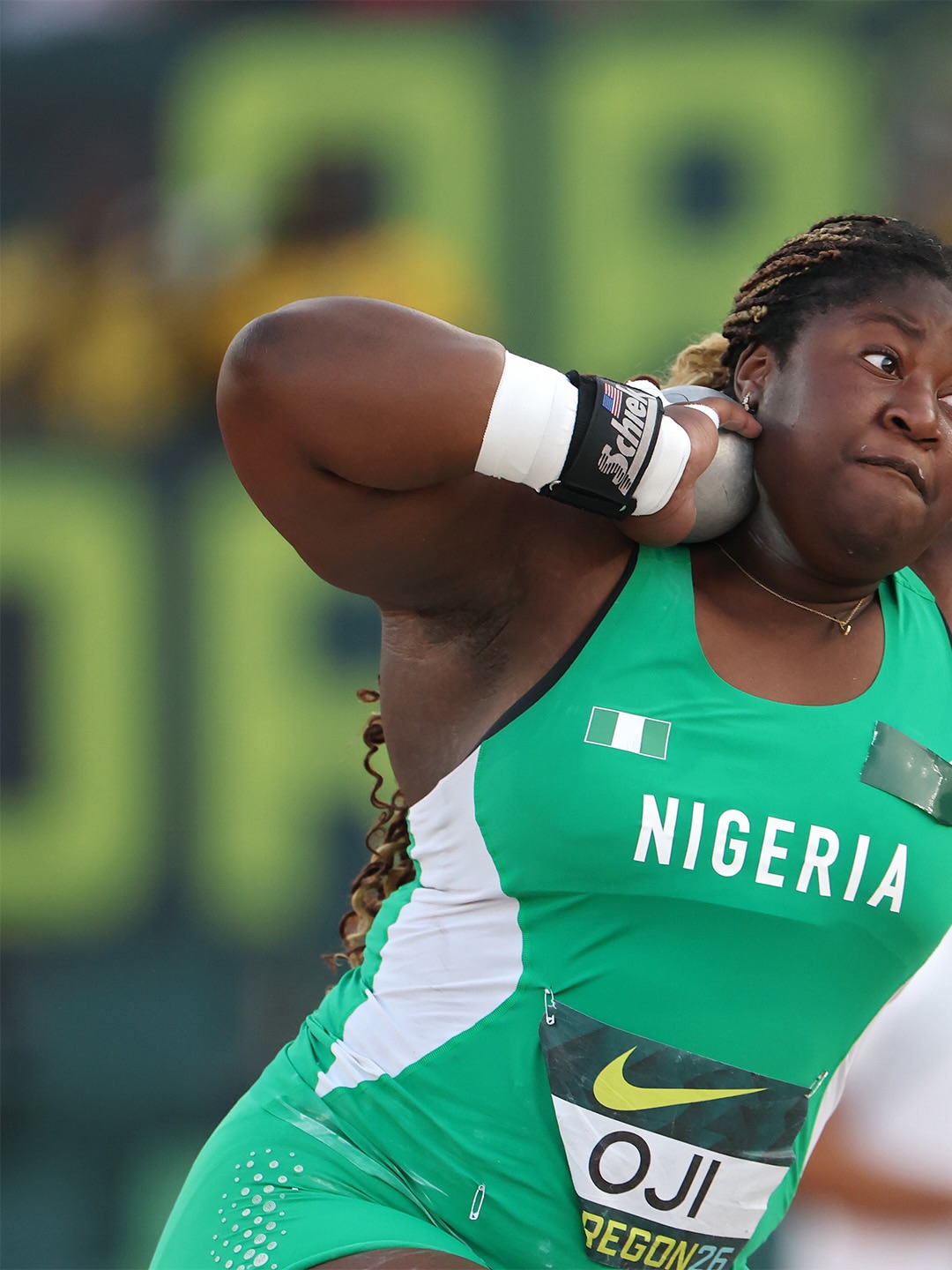
Nigeria’s Jessica Oji won the shot put, producing a 17.56m Nigerian U20 record on her way to the title. (Photo / World Athletics)
For Oji, the achievement carried significance beyond the medal. She had already competed against older athletes at the Commonwealth Games, an experience she said had inspired her to become an example for other athletes.
“I’ve always wanted to win a medal in the U20s and to do it for Nigeria is a whole other thing,” she said.
Oji’s success points to a wider possibility: African athletics can build a broader medal base if investment and development extend beyond endurance events. South Africa’s field-event tradition and athletes such as Ashley Erasmus add to that picture. The challenge now is converting promise into sustained international success.
Sprint Expectations Are Being Rewritten
The women’s 100m provided another reminder that junior championships rarely follow the script established by entry lists.
Jamaica arrived with Shanoya Douglas, the world U20 leader in both the 100m and 200m. Douglas did not leave with gold, but ran 11.17 to bag silver and remained upbeat after a long season.
“I did not get a gold, but I am still excited; I am very grateful,” she said, immediately turning her attention to the 200m.
Her response captured something important about junior competition. Rankings establish expectations; championships test who can reproduce performance when the pressure becomes global. That distinction will become increasingly important as Oregon moves into the 200m, hurdles, and relays.
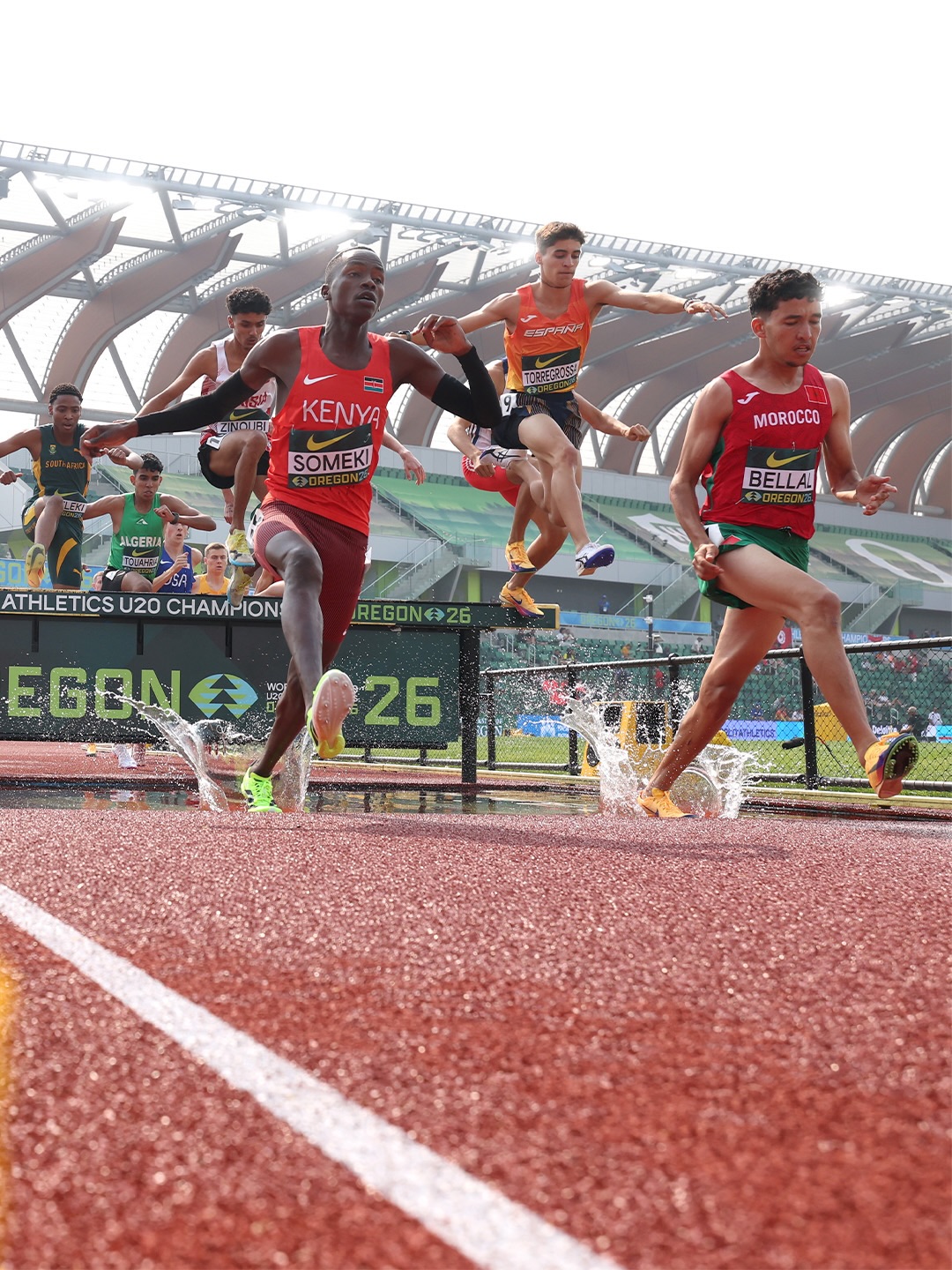
The encouraging development for Africa is not that its traditional strengths - like the steeplechase - are disappearing. It is that they are being joined by something else. (Photo / World Athletics)
The Bigger Lesson After Day Three
Three days are long enough to identify defining trends. Kenya remains a formidable force in the distances, now armed with Kiprono’s historic championship record. Ethiopia is perfectly countering with tactical brilliance over the barriers. South Africa is strengthening Africa’s sprint credentials on the track, and Nigeria is proving the field events can provide another golden pathway.
The encouraging development for Africa is not that its traditional strengths are disappearing. It is that they are being joined by something else.
The continent’s next generation is looking less like a collection of distance specialists and more like a fully developed, hyper-competitive athletics ecosystem.