




By Elias Makori in Budapest
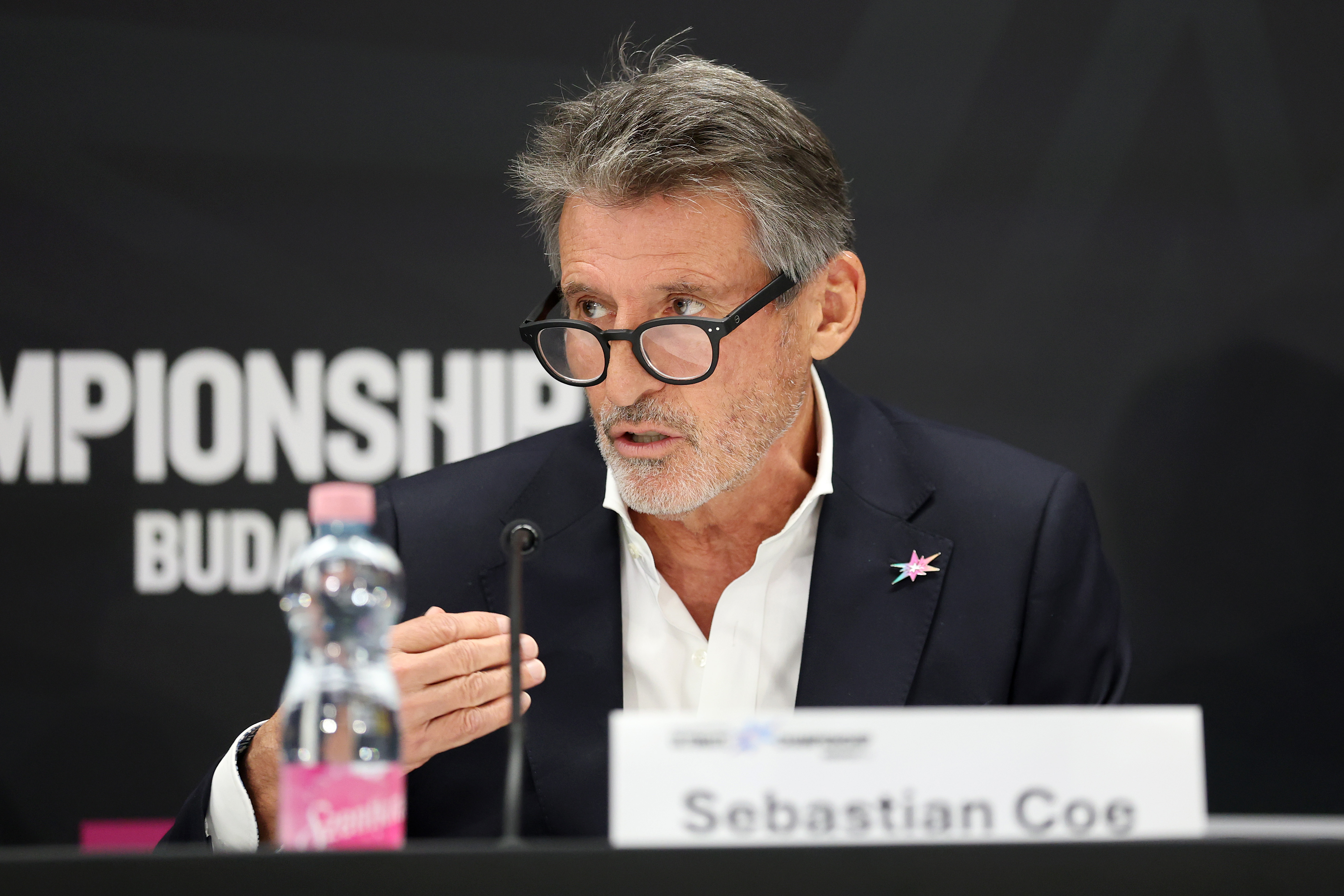
Boasting an unprecedented prize pool of $10 million (Sh1.3 billion), pessimists have questioned the long-term sustainability of the World Athletics Ultimate Championship. But track and field’s governing body President Sebastian Coe maintains the three-day spectacle is here to stay.
Budapest hosts the inaugural competition from Friday to Saturday with all athletes assured of enhancing their bank balances with winners at each of the 28 finals banking $150,000 (Sh19.5 million), with $75,000 (Sh9.75 million) up for grabs for second place and $40,000 (Sh5.2 million) for the final Podium position.
The cash awards go 16 deep with $25,000 (Sh3.25 million) for fourth place, $16,000 (Sh2.80 million) for fifth, going all the way down to $2,000 (Sh260,000) for athletes finishing in 16th place.
In an exclusive interview with Pura Vida Sports Africa at the Gyula Zsivotzky National Athletics Centre, Coe said cities bidding to host the Ultimate Championship must also be ready to foot the prize money bill.
“The budget (of the Ultimate Championship) is in large parts the liability and creativity of the Organising Committee and host City. That ($10 million dollars prize money) is enshrined in that budget and so, any city that wants to take our championships in future will have to, obviously, meet those prize money commitments,” Coe responded.
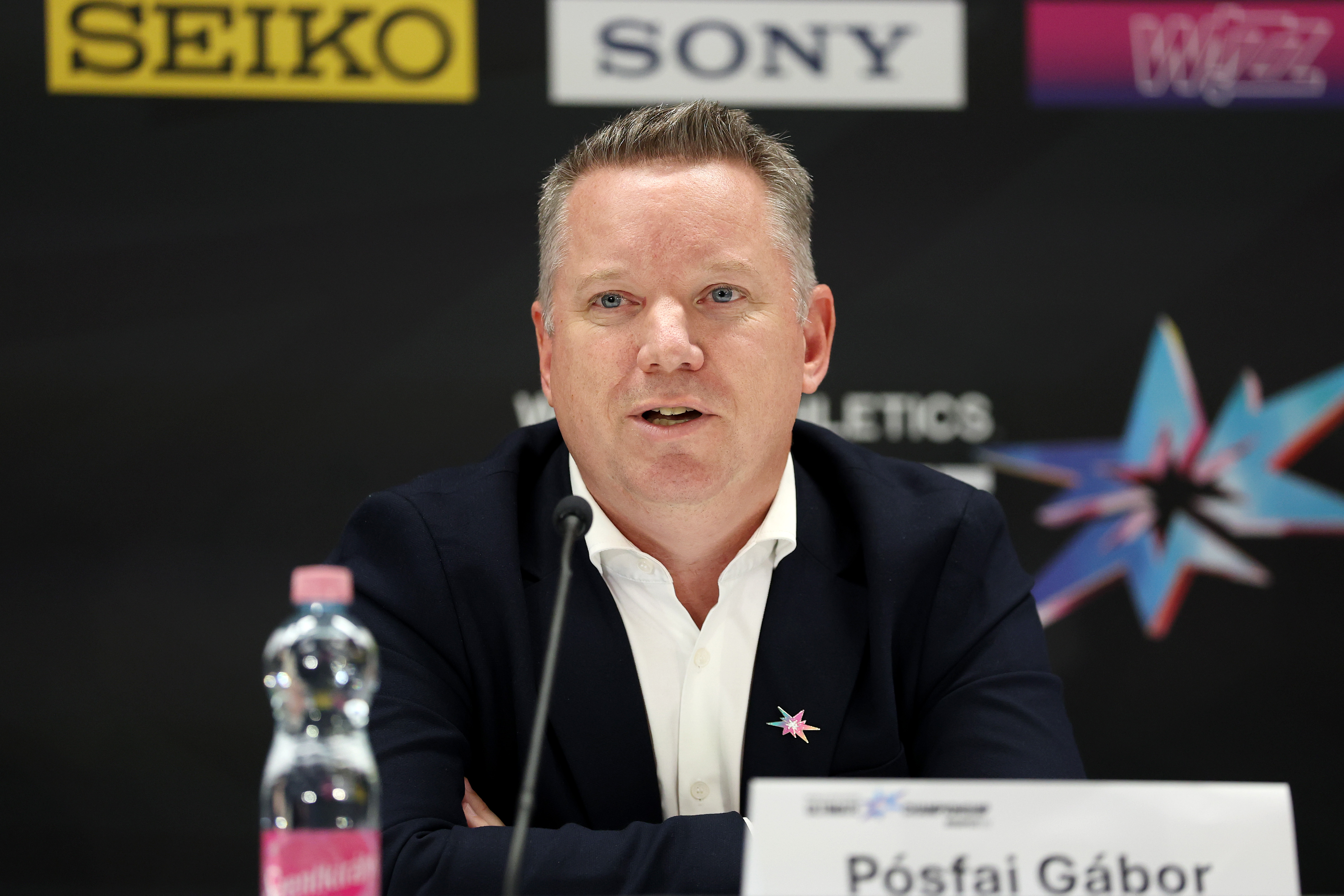
Gabor Posfai, Minister of the Interior of Hungary, speaks during a press conference ahead of the World Athletics Ultimate Championship at National Athletics Centre on Thursday in Budapest, Hungary. Bid cities will, among other things, be required to cater for the prize money. (Photo by Maja Hitij/World Athletics via Getty Images)
There have also been concerns that events dominated by African athletes, like the steeplechase, were missing from the Ultimate Championships’ menu, but Coe clarified that the championship’s menu will keep changing and no events were cast in stone.
At a pre-championship press conference earlier, Coe explained the philosophy behind the event selection, saying World Athletics was reimagining formats to eliminate downtime and create a “smoother and quicker” programme to make it attractive to viewers.
He added that the new formats would be carried into future World Championships and Olympic Games.
Excerpts from Pura Vida Sports Africa’s Managing Editor Elias Makori and World Athletics President Lord Sebastian Coe:
Pura Vida: There are some 363 days left before the end of your Presidency. What remains on your bucket list that you need to conclude before the next election?:
Sebastian Coe: “A lot is remaining, and it’s not a year where I’m going to be soft-pedalling, believe me. We are foot hard to the floor, as they say, and there are a lot of innovations we still need to drive through.
We’ve got a lot of work we are doing around the Diamond League, we have a new commercial model that we have to create, because our broadcast and our commercial rights come back to us in 2029-2030 so we’ve got to think how that looks like.
We have to make sure that we learn all the lessons that we can from the Ultimate Championships and the excitement, I hope, that the Ultimate Championship generates.
We have, as you well know, Elias, some decisions to make quite soon about where our World Championships go and that’s an important shop window for our sport and so there’s much left to do.”
P.V.: The Ultimate Championship comes with a 10-million-dollar prize purse. How sustainable is this championship and how do you ensure it doesn’t fall off the radar at the end of your Presidency?:
S.C.: “The budget (of the Ultimate Championship) is in large parts the liability and creativity of the Organising Committee and host City. That ($10 million dollars prize money) is enshrined in that budget and so, any city that wants to take our championships in future will have to, obviously, meet those prize money commitments.
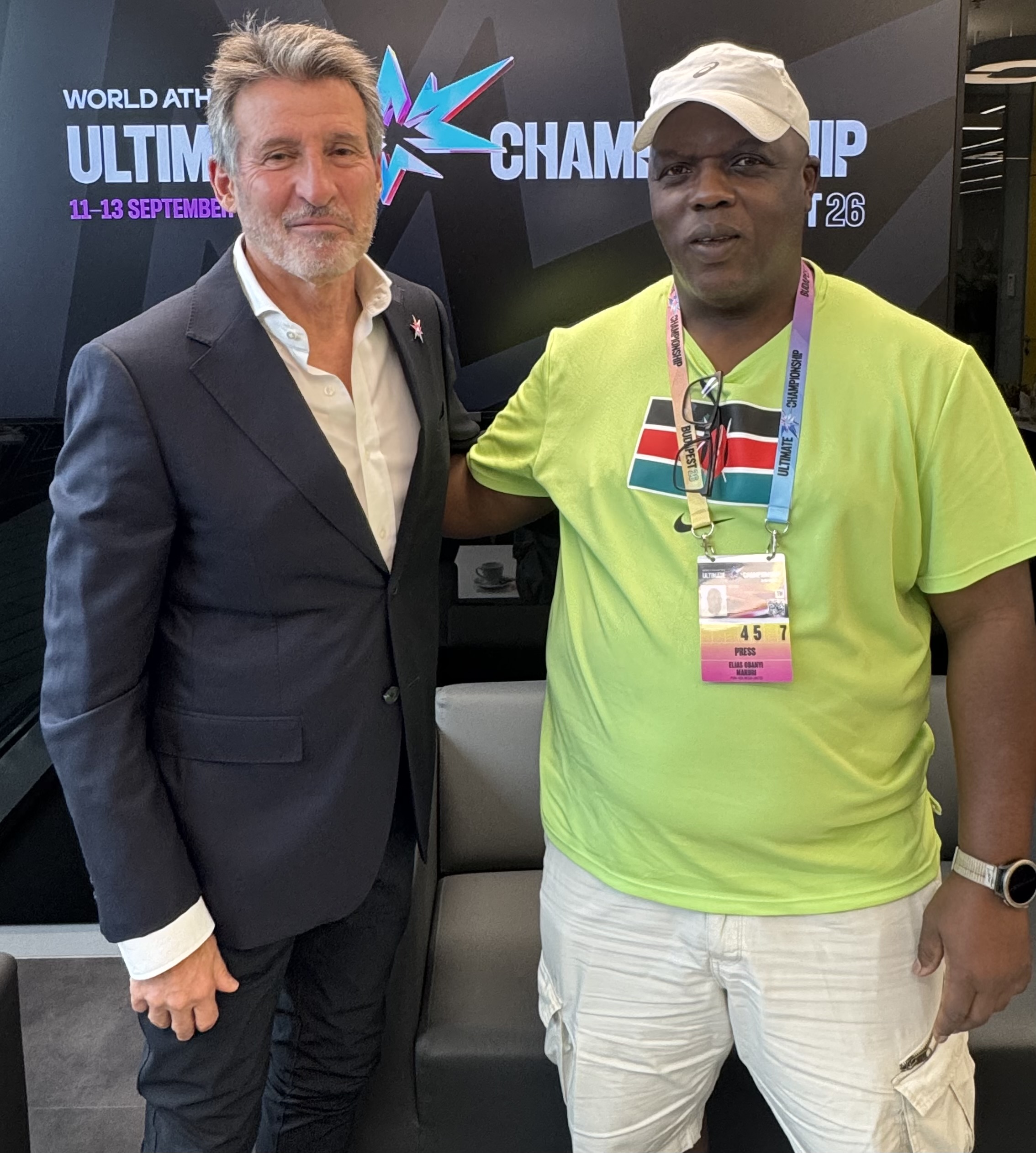
World Athletics President Seb Coe with Pura Vida Sports Africa Managing Editor Elias Makori after the interview. (Photo / Pura Vida Sports Africa)
And I’m committed to paying prize money to athletes. You know this because you and I have discussed this on many occasions, but I have responsibility also to make sure that the sport is on a solid foundation financially, and that there is financial security for the athletes at the same time.”
P.V.: What would you say is the highlight of your presidency?
S.C.: “Everything! Every day that I’ve been involved in the sport has been a wonderful day. I joined an athletics club at the age of 11, and I finished my athletics career having been the President of the number one Olympic sport and sport that I love and adore and that has provided me with some extraordinary experiences and so I can tell you, Elias, without feat or favour, that every day has been a pretty good day for me in the sport.
P.V.: I know you won’t let the cat out of the bag, but do you see a World Championships in Africa soon?
S.C.: “All four cats are very firmly and securely in the bag, Elias, and we have four great cities and they all have compelling stories and compelling bids. You’re going to have to wait a little bit longer to hear what the Council makes of the bids.
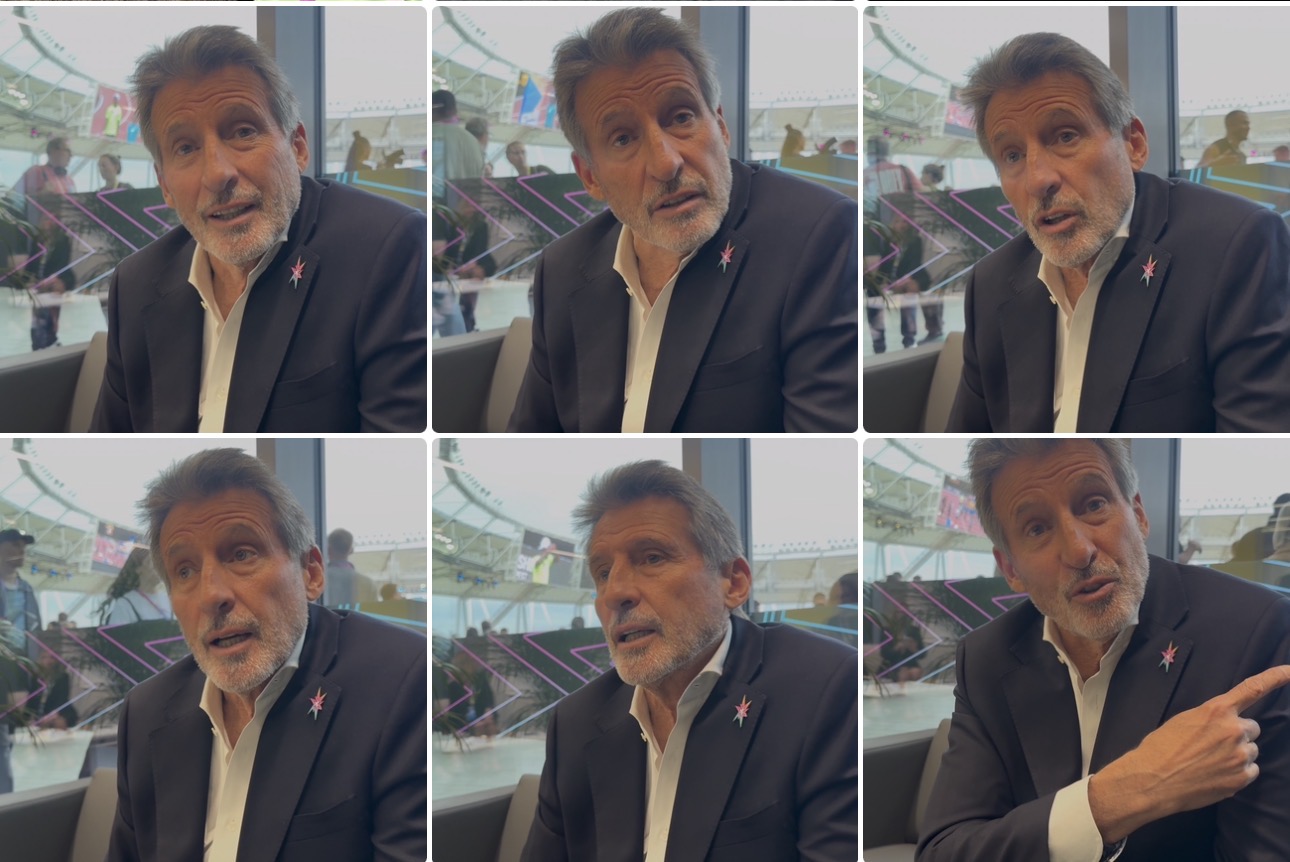
World Athletics President Seb Coe during the interview. (Photo / Elias Makori)
P.V.: Would you advocate for rotation of the World Championship so that everyone has a piece of the cake?
S.C.: I’m not in favour of rotation. I like cities that emerge because they have the ability to do that, and we are a global sport. We don’t need to prove that we are a global sport by rotation. Look, this is a really good example: We have Nairobi, an African city, but we also have Munich, Rome and London from Europe.
And just look where our World Championships go. Just in the course of this year, we’ve been in South America for our race walk championships, we have been in Poland for our indoor championships, North America for our World Cross Country Championships and our under-20 championships, so we don’t have to prove global presence by the rotation system.”
P.V.: Finally, we have some events, like the steeplechase and some field events, missing out from the programme of the Ultimate Championship. What’s the plan?
S.C.: “We wanted to create a format over three nights. It is impossible to stage every one of our championships. We have 28 finals… and don’t draw any conclusion from the choice of those events and disciplines because that might look different in two years’ time.”
P.V.: Thanks for your time, Mr President.