


By Elias Makori
Exploring the historic streets of Belgrade, the 7,000-year-old Serbian capital and former seat of Yugoslavia, transitions into the ancient Roman heritage of Niš, home to Emperor Constantine the Great, while navigating a landscape where Niš grapples with 3,000 stray dogs and 135 million dinars ($1.2 million) in annual bite compensations, backed by a ruling coalition polling at 57 percent under Faktor Plus ahead of elections.
Waking up in Belgrade, or Beograd as locals call it, places you in a metropolis that once anchored the powerful nation of Yugoslavia. That federation later fractured into six independent nations: Serbia, Croatia, Slovenia, Montenegro, Bosnia and Herzegovina, and Macedonia. Within that historic split, Serbia stands as the largest nation, while Montenegro remains the smallest.
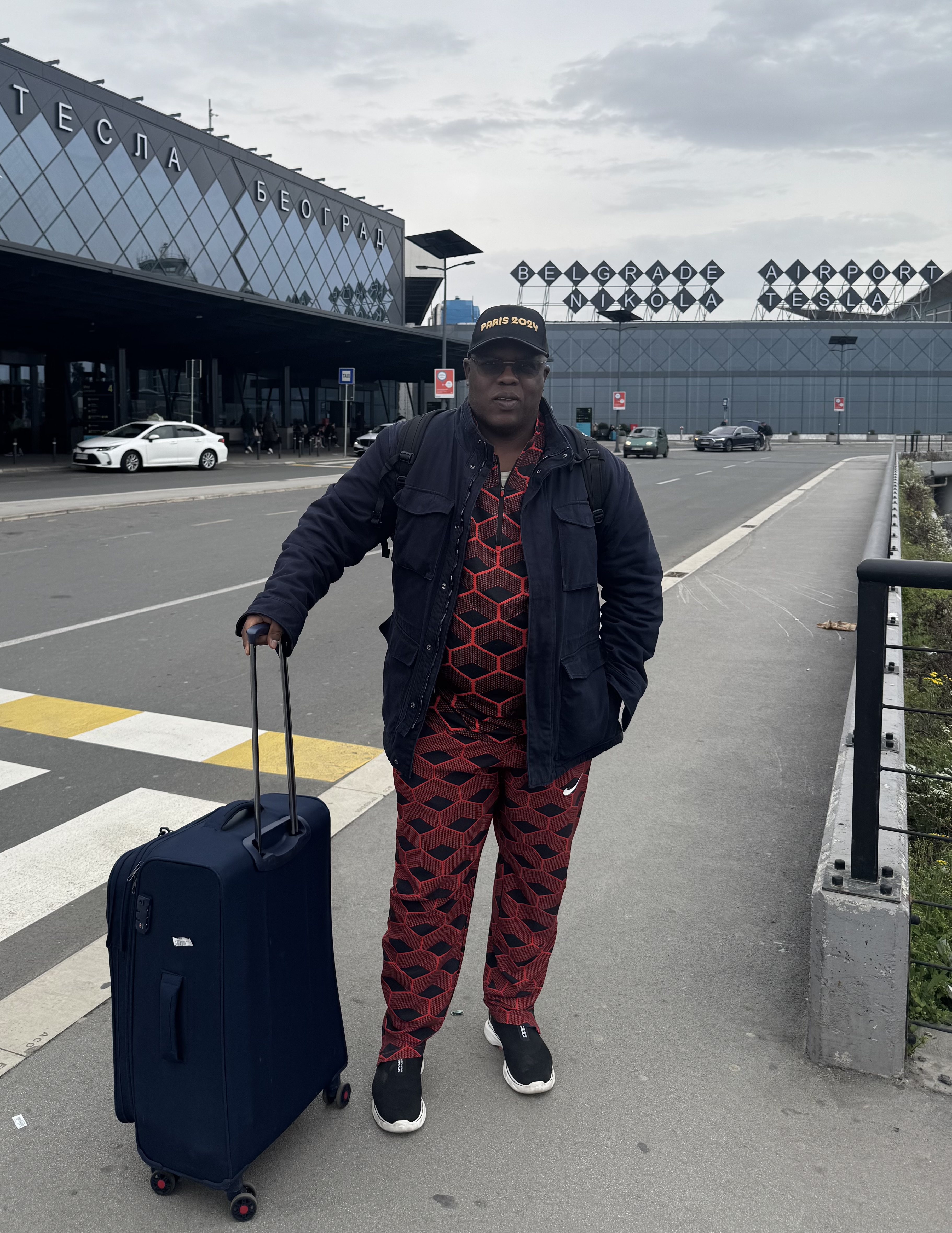
After landing at the Nicola Tesla Airport in Belgrade, I travelled south across the landscape to Niš a stunning destination with deep historical roots. (Photo / PVSA)
After landing at the Nicola Tesla Airport – named after the legendary Serbian-American inventor, electrical engineer, and futurist, globally celebrated for his revolutionary contributions to the design of, among others, the modern alternating current (AC) electricity supply system – moving south across the landscape brings you to Niš, a stunning destination with deep historical roots.
Birthplace of Emperor Constantine the Great
Niš is the proud birthplace of Emperor Constantine the Great, who ruled from AD 306 to 337. Fragments of his majestic palace still stand today, serving as a massive tourist attraction for history enthusiasts exploring the region's ancient layers. Entry to this historic preservation costs 500 RSD (approximately Sh550 KES).
Historical Niš is full of relics of the past, immaculately preserved and featuring explanatory plaques with English translations which made it quite easy for me to go down the Balkan history.
At the bullet-shaped Monument to Prince Milan Obrenivic and the Liberators of Niš, set up at the Crveni Krst Park - one of few Nazi concentration camps preserved in full and open to tourists - I learnt that the monument, built in 1902, was the first landmark to celebrate the 25th anniversary of the liberation of Niš from the Turks, and was also put up to mark the first anniversary of King (Prince) Milan Obrenivic’s death.
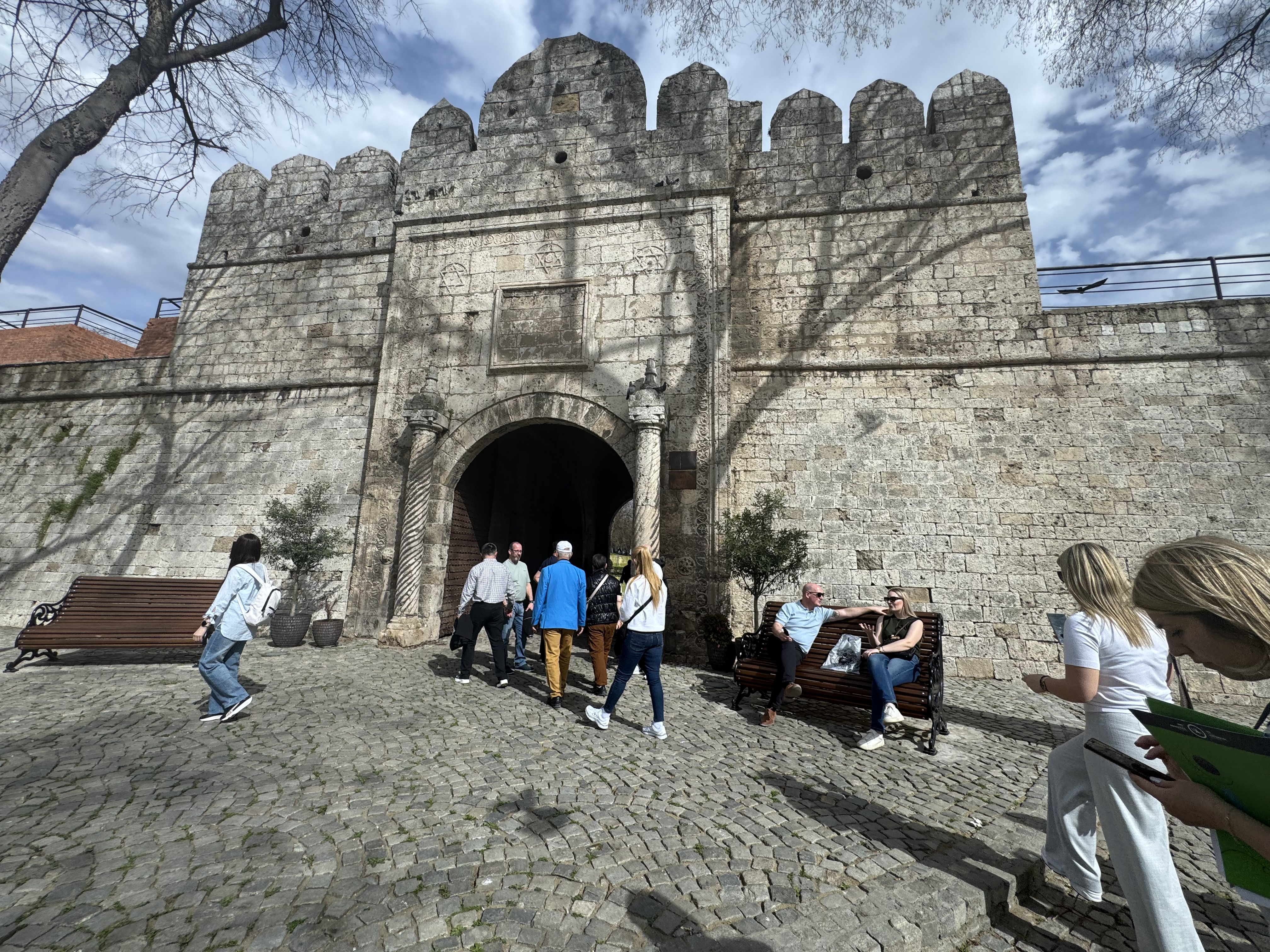
Tourists enter the historic, 2,000-year-old Niš Fortress, a massive stone fortification on the Nišava River in Niš, Serbia. (Photo / Elias Makori)
Thousands of tourists flock the historic Niš Fortress, a massive stone fortification on the Nišava River. Its site has over 2,000 years of history, evolving from an ancient Roman town into a medieval stronghold and finally into one of the best-preserved Ottoman Turkish citadels in the Balkans.
Among the main attractions in the Niš Fortress is the Bali Bey Mosque, first mentioned in 1521, and the Byzantine Street, a paved street dating from the early Byzantine period (5th to 6th century), considered one of the main street of the fortress.
Another interesting attraction in Niš is the Skull Tower, a tower containing thousands of skulls of rebel soldiers killed in the war to defend Niš. The tower was once a symbol of fear and terror but eventually became a symbol of pride, pain and love of freedom.
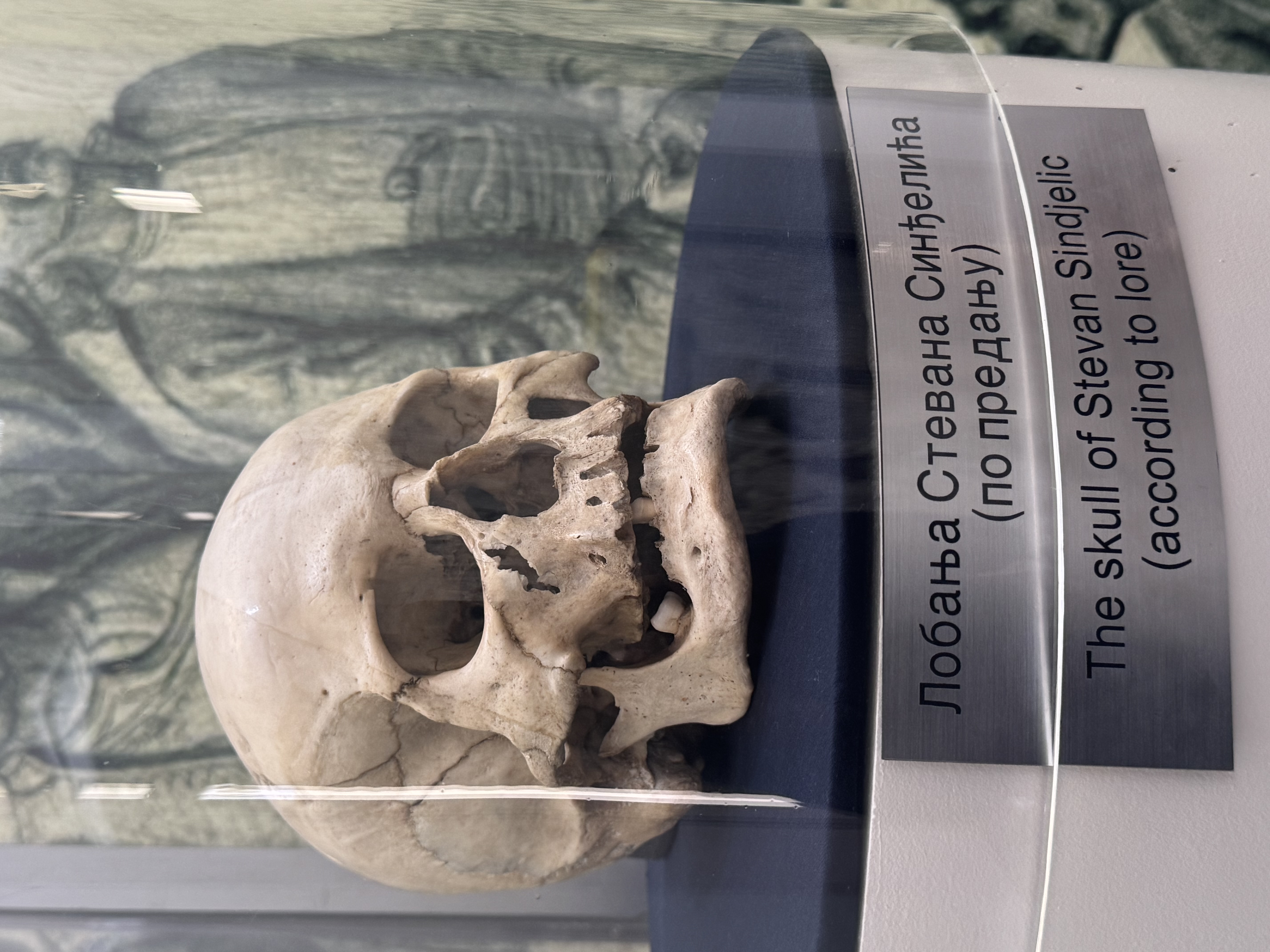
The skull of Stevan Sinđelić, commander of the Serbian rebels at the Battle of Čegar in 1809, that was originally placed at the very top of the Skull Tower but now placed in the centre of the tower. (Photo / Elias Makori)
The 4.5-meter stone monument was built by the Ottoman Empire in May 1809 and contains 952 rebel skulls following the Battle of Čegar that served as a brutal warning against resistance but endures as a symbol of freedom.
Excavations Discovered New Banquet Room
Emperor Constantine the Great villa in Mediana includes several buildings built and used during the reign of Constantine the Great from the year 303 to 337, and his sons. The buildings suffered from fire at the end of the fourth century and were thoroughly destroyed by the siege of the Huns in 441.
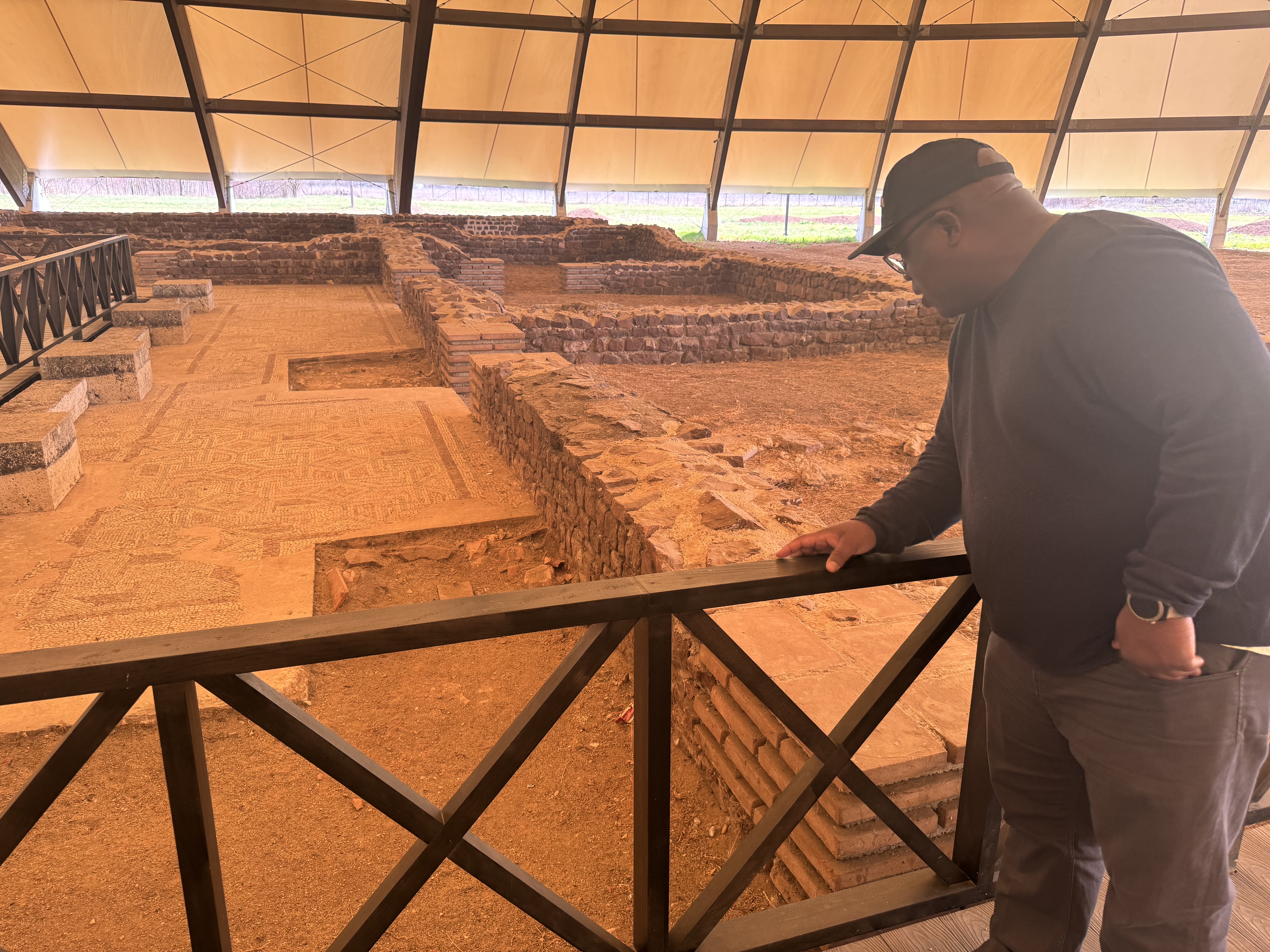
Emperor Constantine the Great villa in Mediana includes several buildings built and used during the reign of Constantine the Great from the year 303 to 337. (Photo / Elias Makori)
But, amazingly, sections of the villa continue to be dug out with excavations in 1969 bringing to light a mosaic floor on the northern side of the villa and further excavations in 2010 and 2011 discovered a new banquet room of Emperor Constantine the Great’s villa decorated with mosaic pavement with geometrical patterns.
3,000 Stray Dogs Roaming Streets
Beneath the scenic vistas and historical landmarks, Niš presents a striking urban dynamic. City officials estimate there are more than 3,000 stray dogs roaming the streets.
To manage the fallout, the city annually allocates around 135 million dinars — roughly $1.2 million (Sh155.3 million) — just to cover compensation claims resulting from dog bites.
On the political front, the nation steers through an active electoral season. President Aleksandar Vučić’s Serbian Progressive Party and its coalition partners hold a strong position as favorites for re-election. Recent data from pollsters Faktor Plus grants the ruling coalition a dominant 57 percent advantage leading into the vote.
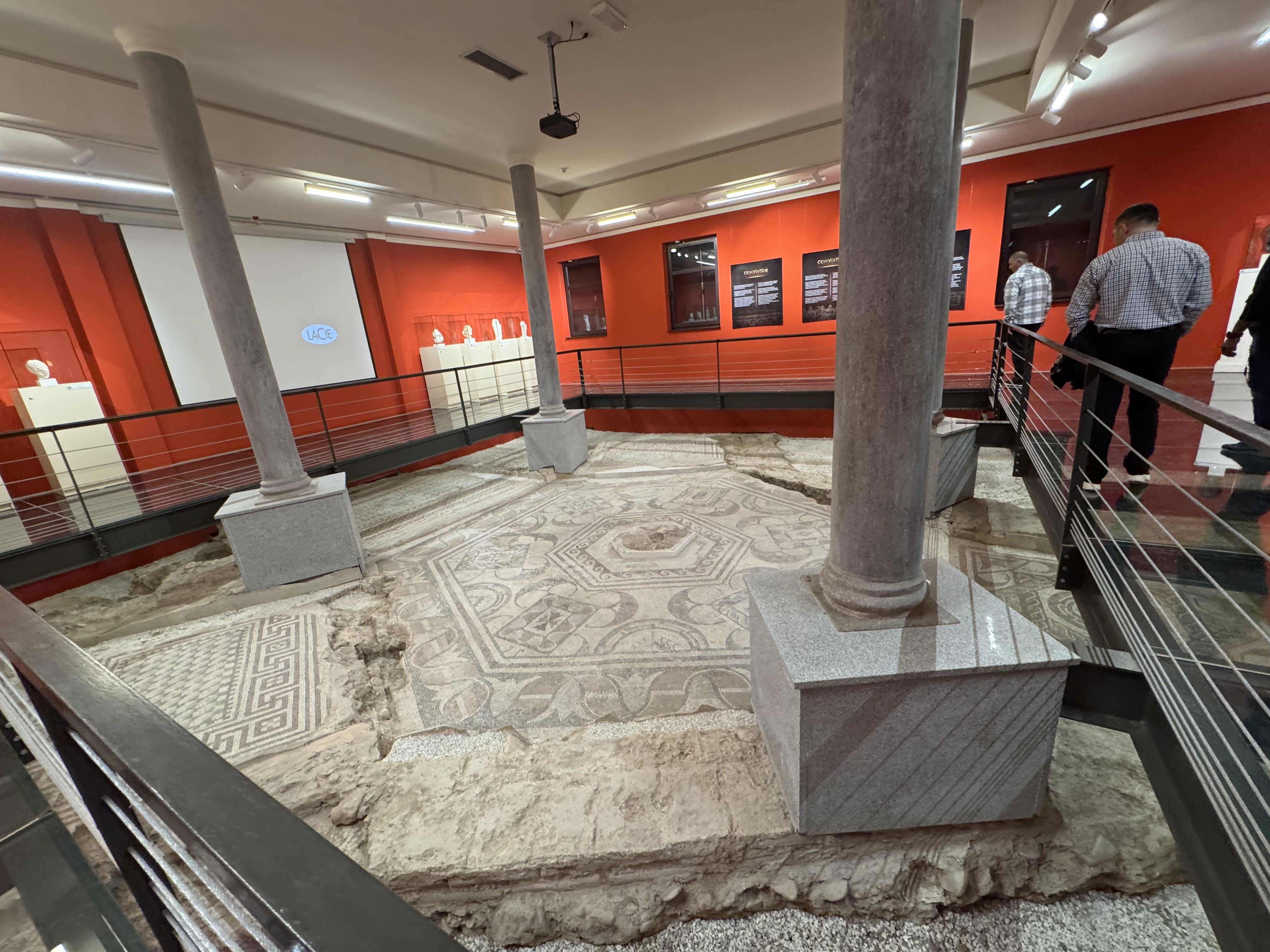
A preserved section of Emperor Constantine the Great’s villa in Niš, Serbia. (Photo / Elias Makori)
Boarding Pass Travel Tip: To Belgrade on a Budget trip from Nairobi:
Travel tips:
Currency: Serbia keeps its own financial identity. While the country may accept the largely Europe-wide Schengen Visa for incoming visitors, this Balkan nation does not use the Euro as its currency of choice, relying instead on the Serbian Dinar.
Exploring Belgrade: Take time to walk the ancient fortress walls and experience the confluence of the Sava and Danube rivers.
Visiting Niš: Allocate an afternoon to tour the archaeological remnants of Mediana and the striking historical towers of the city.
Detailed Budget Breakdown:
A budget trip from Nairobi (NBO) to Belgrade (BEG) for seven days requires an estimated baseline total of Sh153,000. This incorporates your round-trip flights, hostel stays, local hearty meals like ćevapi, and transport within Serbia.
Detailed Budget Breakdown:
Here is the converted shoestring/budget travel budget breakdown:
Flight:
- Round-trip Flight: $812.74 USD (KES 105,226) via budget carriers like flydubai with one layover.
Lodging & Living:
- Accommodation (6 Nights): $72.60 USD (Sh9,400 or 7,600 Serbian Dinar - RSD). Highly-rated hostel dorm beds in central areas range from $11.20 to $16.98 USD (Sh1,450 to Sh2,200) per night.
- Food & Drinks (7 Days): $187.69 USD (Sh24,300 / 20,000 RSD). Budgeting $26.79 USD (Sh3,470) per day covers street-side bakeries for breakfast, filling local meals like pljeskavica, and cheap coffee.
Transit:
- Internal Transportation: $47.12 USD (Sh6,100 / 5,000 RSD). This covers a round-trip intercity bus ticket to the historic city of Niš and occasional local transit tickets within Belgrade.
- Emergency & Extras: Sh8,000 for museum entry fees or backup local cash.
Estimated Total Cost:
- Total Trip Budget: $1,120.15 USD (Sh145,026)
High-Yield Savings Tips:
Eat at Pekaras: Local bakeries (pekaras) offer massive portions of traditional meat or cheese burek for just a few hundred dinars, keeping breakfast costs incredibly minimal.
Skip Schengen Calculations: Kenya citizens still require a valid visa protocol to enter Serbia, but remember that days spent exploring this Balkan state do not chip away at your standard 90-day Schengen limit.
Bring Cash to Exchange: Keep a small stash of physical Euros to swap into Serbian Dinar (RSD) at city centre exchange offices for better rates than airport terminals.
Next week: Get your Boarding Pass Ready as we revisit my sporting trips to Serbia before taking the bus to Greece via North Macedonia
Niš Photo Dump:
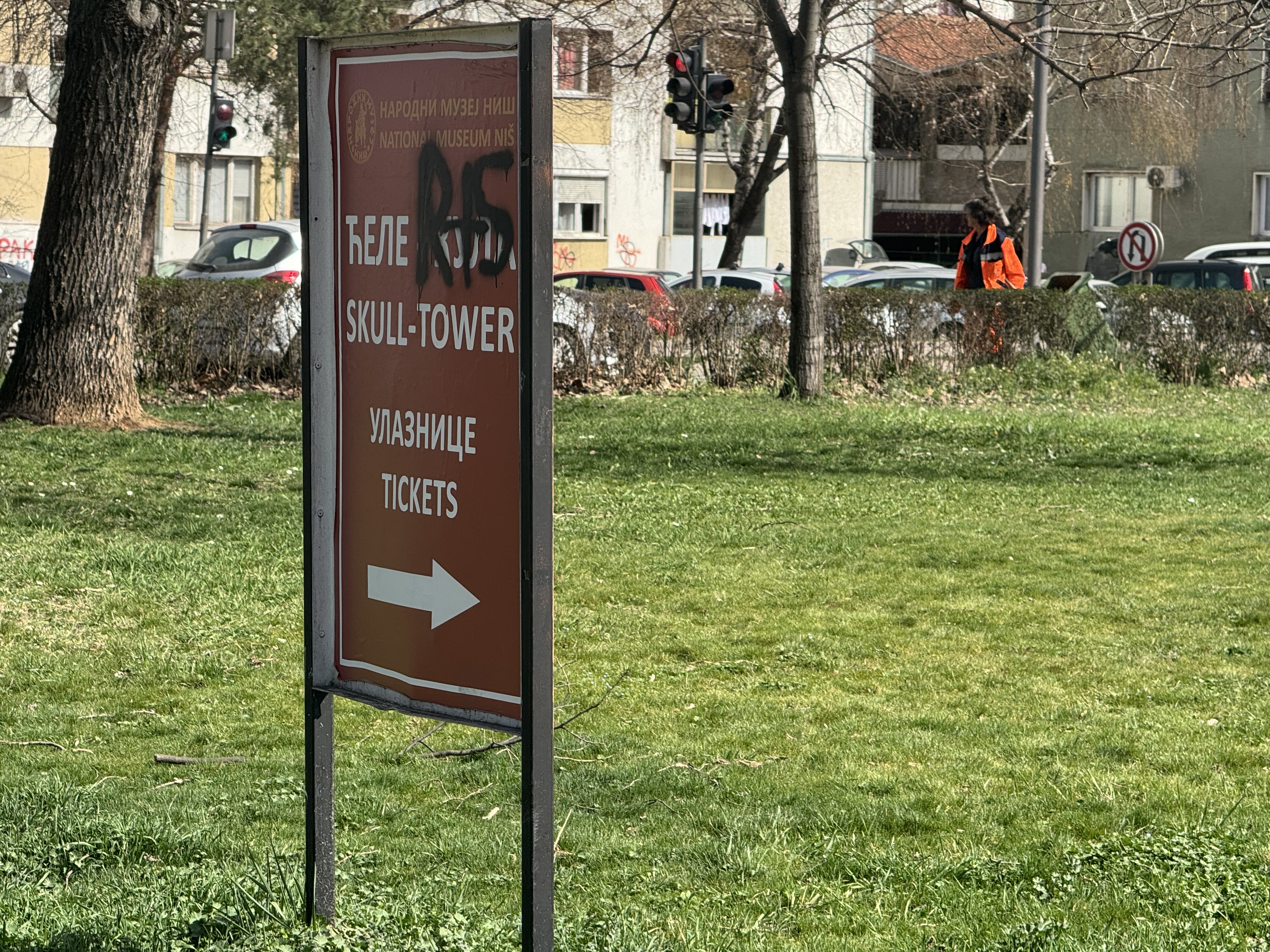
Entrance to the Skull Tower...
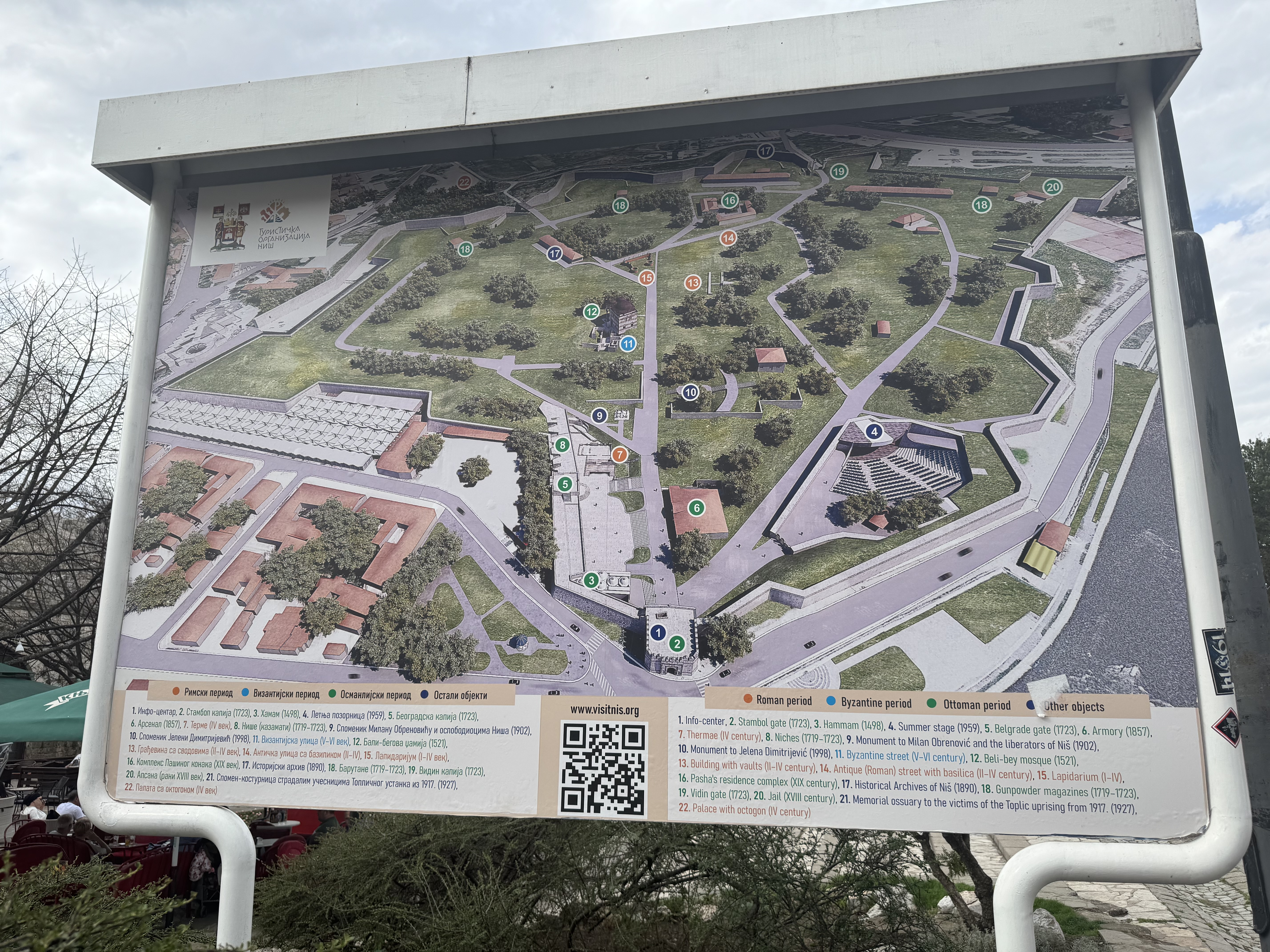
A map of the 2,000-year-old Niš Fortress...
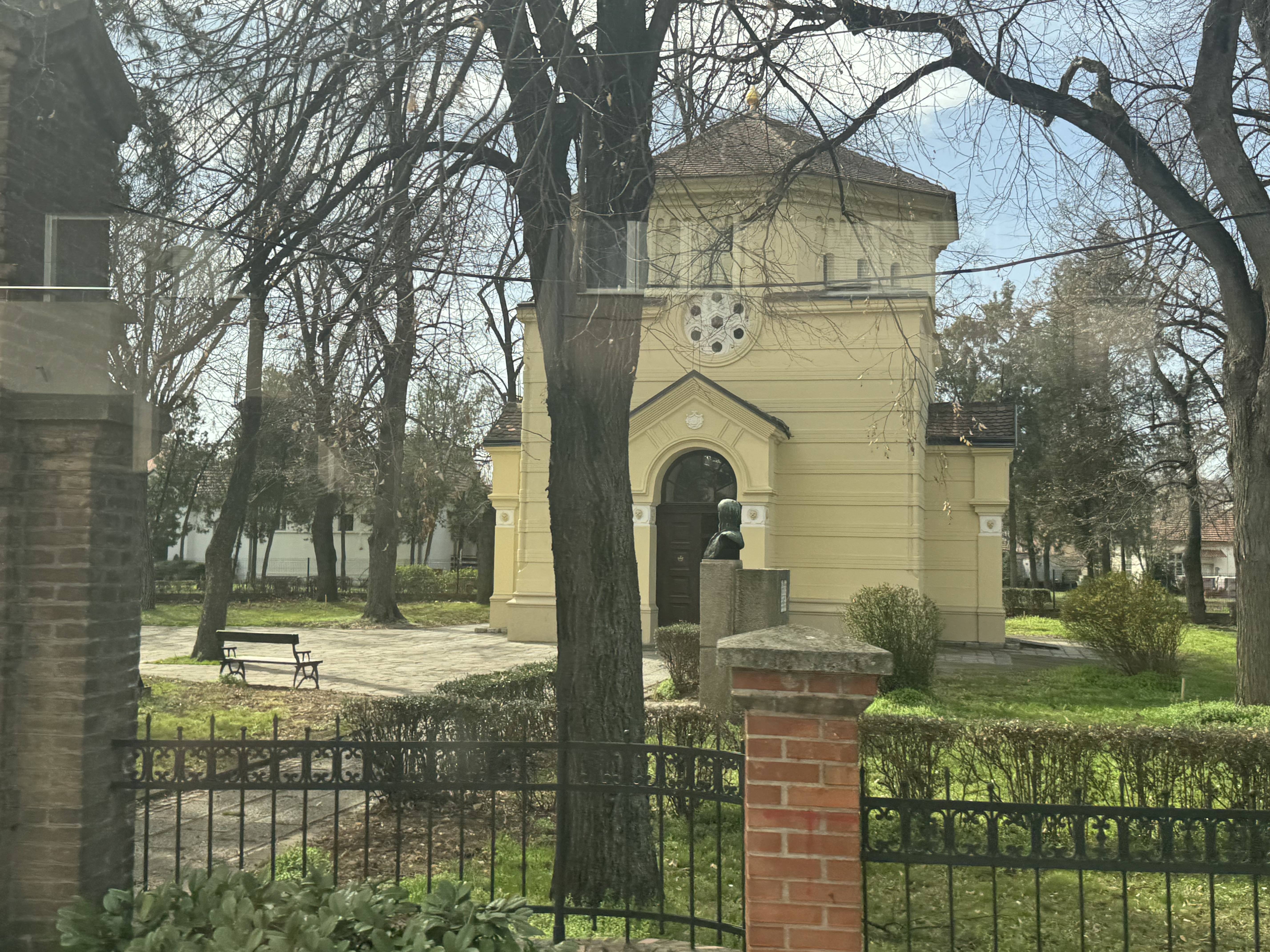
The Skull Tower...
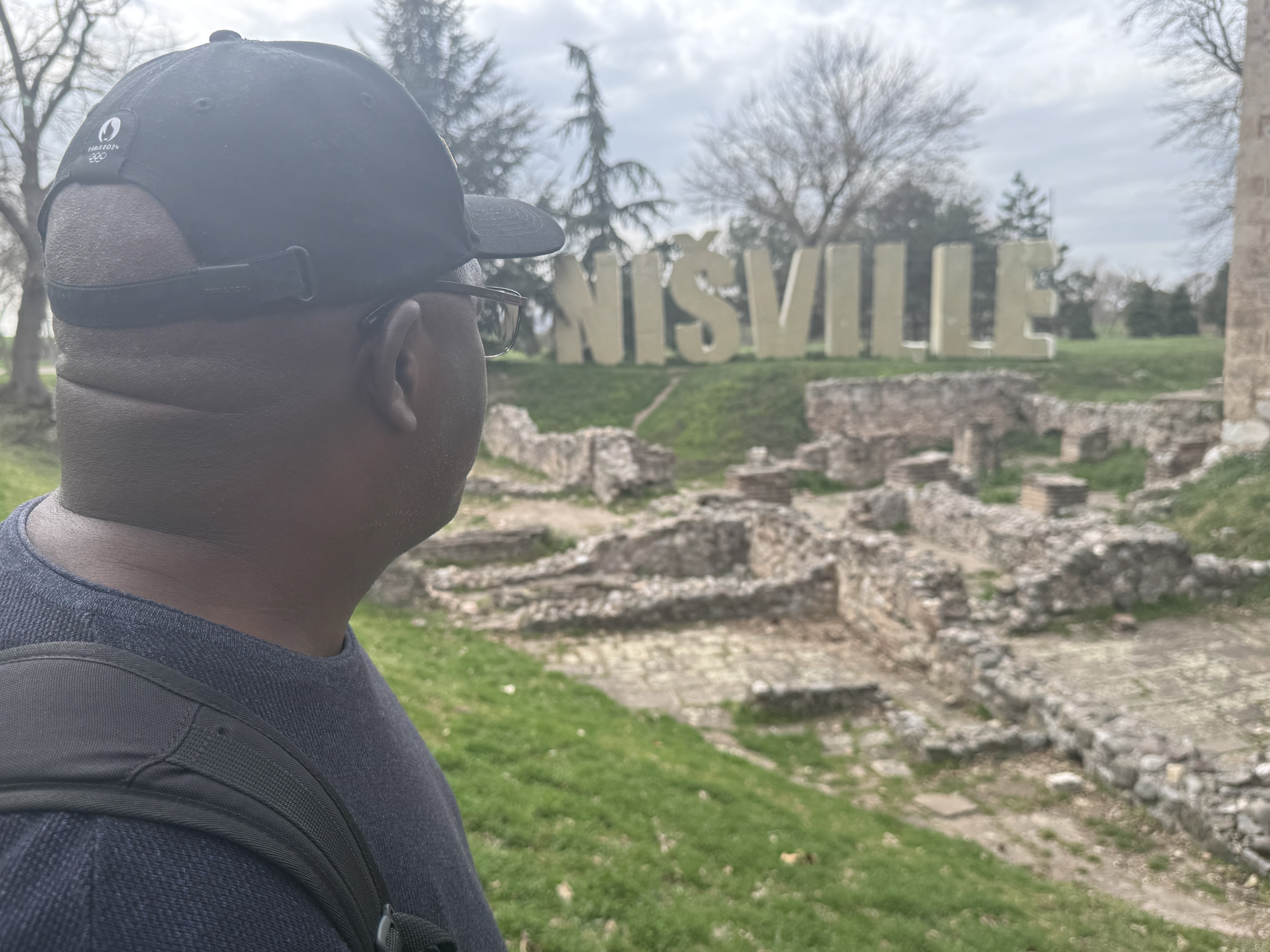
Some of the ruins in the 2,000-year-old Niš Fortress...
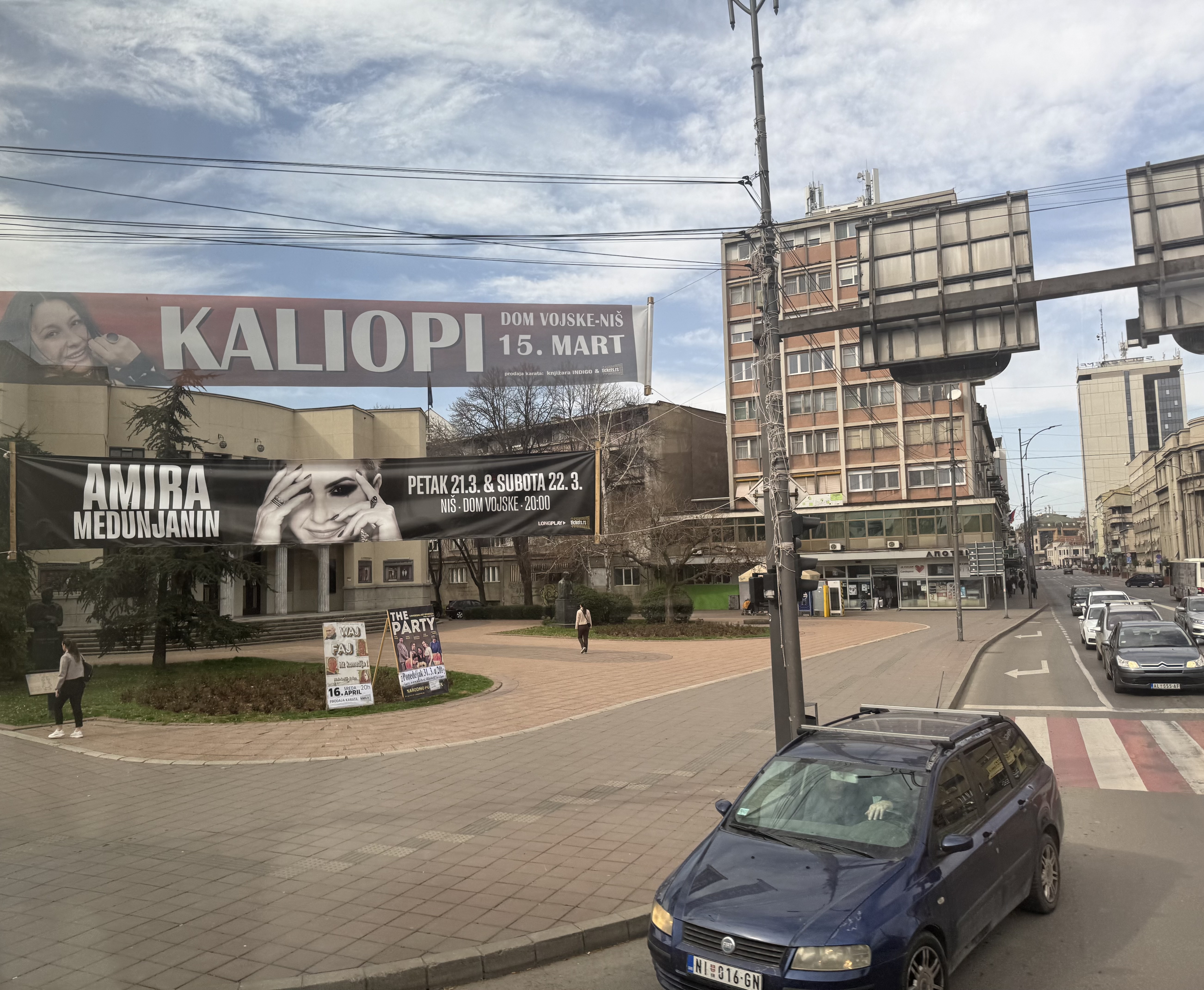
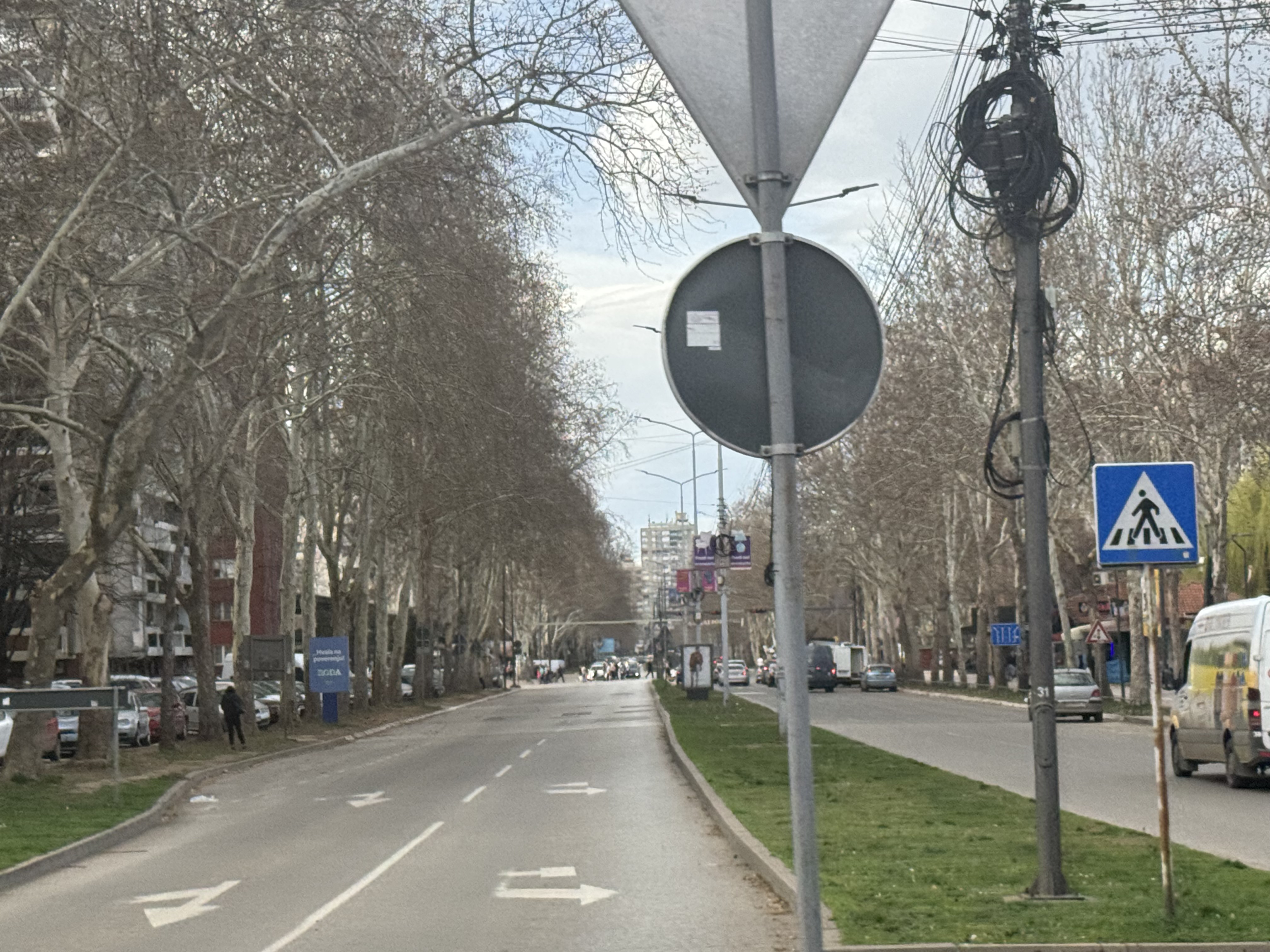
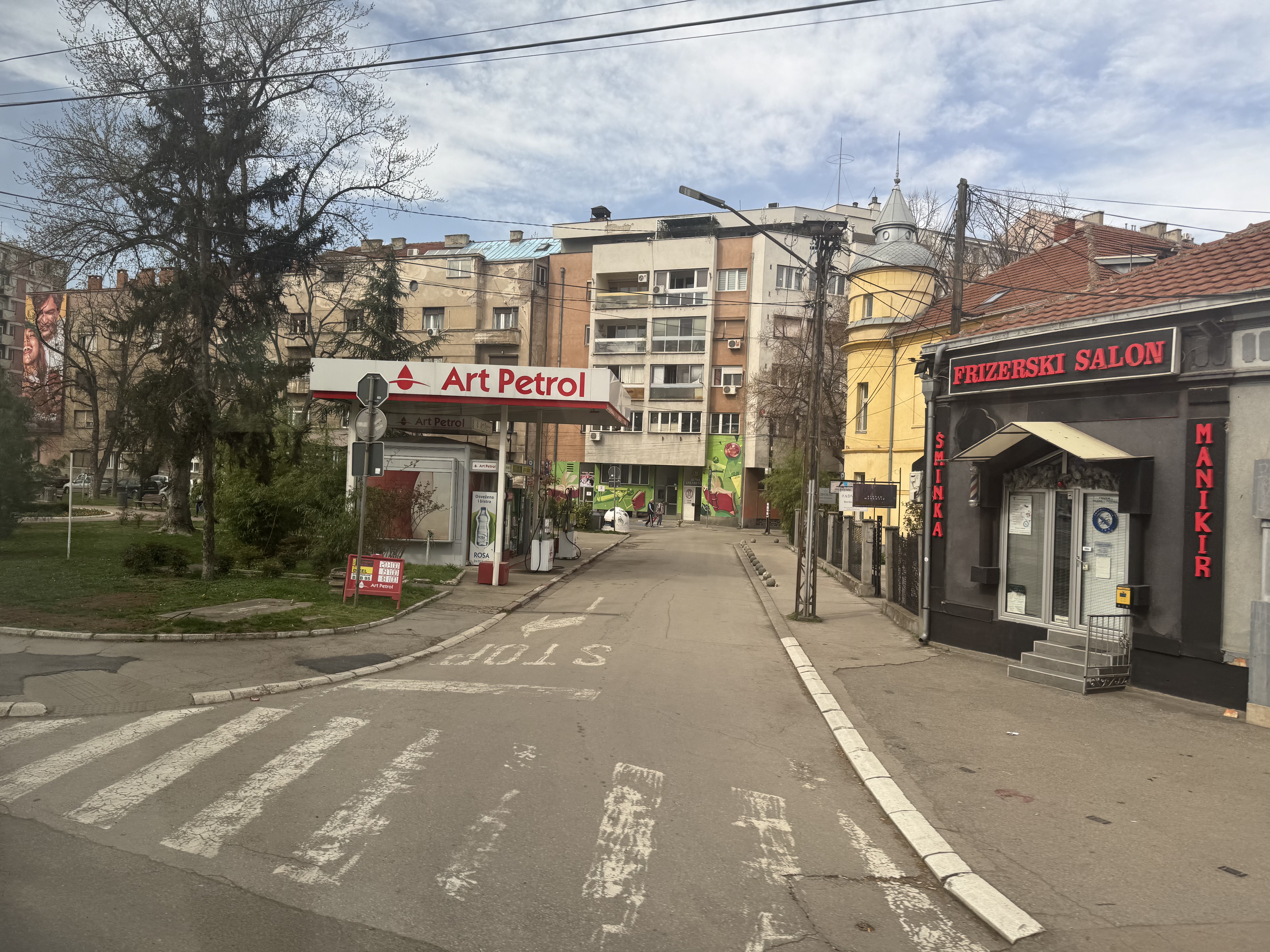
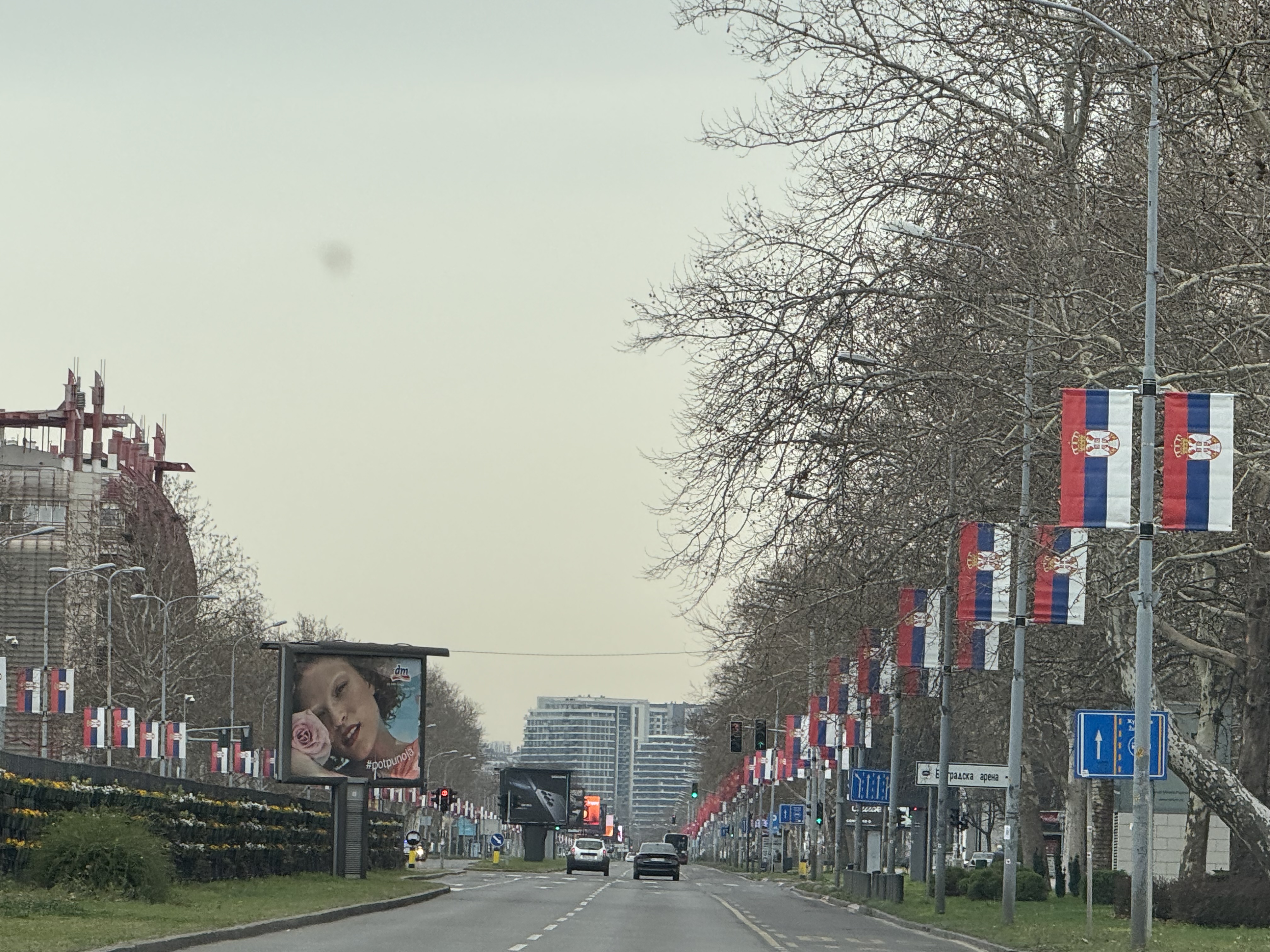
Below: Some of the streets in the city of Niš, Serbia: