


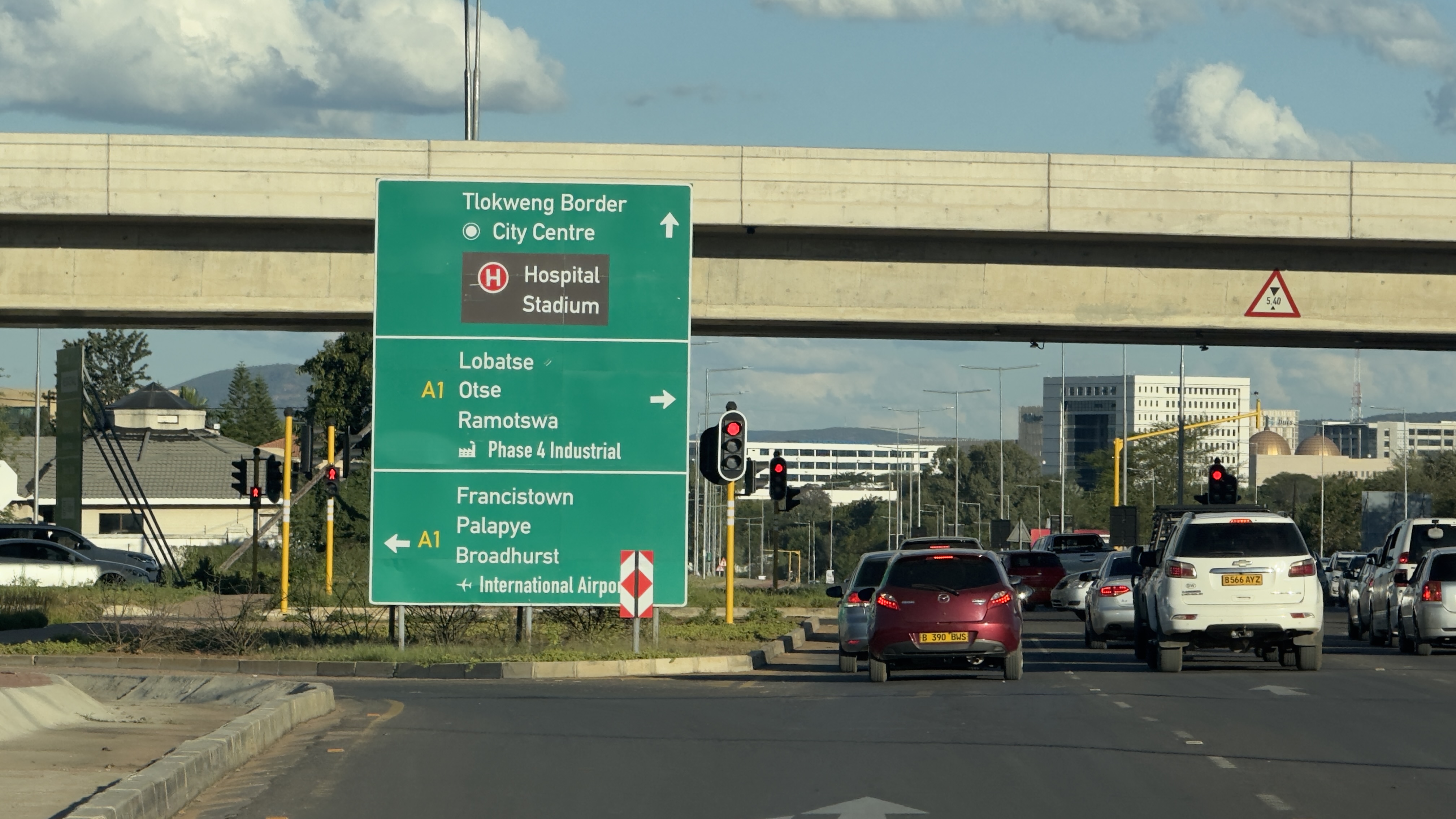
By Elias Makori
Still anchoring down in Gaborone, and let me tell you, the Kenyan energy here is potent enough to power the national grid. I found myself at the swanky Grand Aria Hotel, rubbing shoulders with the local chapter of the Kenya Diaspora Association. The occasion? A bittersweet send-off party for our Deputy Ambassador, Simon Muiruri of the Kenya High Commission in Botswana.
To ensure we kept up with the fast-paced diplomatic itinerary, I joined some serious horsepower for the diaspora dinner: Africa’s fastest human, Ferdinand Omanyala, and the equally electric Kenya Defence Forces sprinter, Samuel Chege. Honestly, walking into a room with Omanyala makes you feel instantly aerodynamic, even if you are just making a dash for the buffet.
In Gaborone, the Kenyan diaspora maintains a strong professional footprint while local hospitality options host elite athletes and dignitaries.
This includes the Grand Aria Hotel — featuring an 80 Pula (Sh770) "Lunch on a Budget" BBQ—and the centrally located, affluent Avani Gaborone Resort & Casino, with buffet breakfast from 210 Pula (Sh2,000). The property is a corporate goldmine where sports executives rub shoulders with high rollers. The visit coincided with a reflection on Botswana's historic political shift, where President Duma Boko’s UDC ended decades of single-party rule.
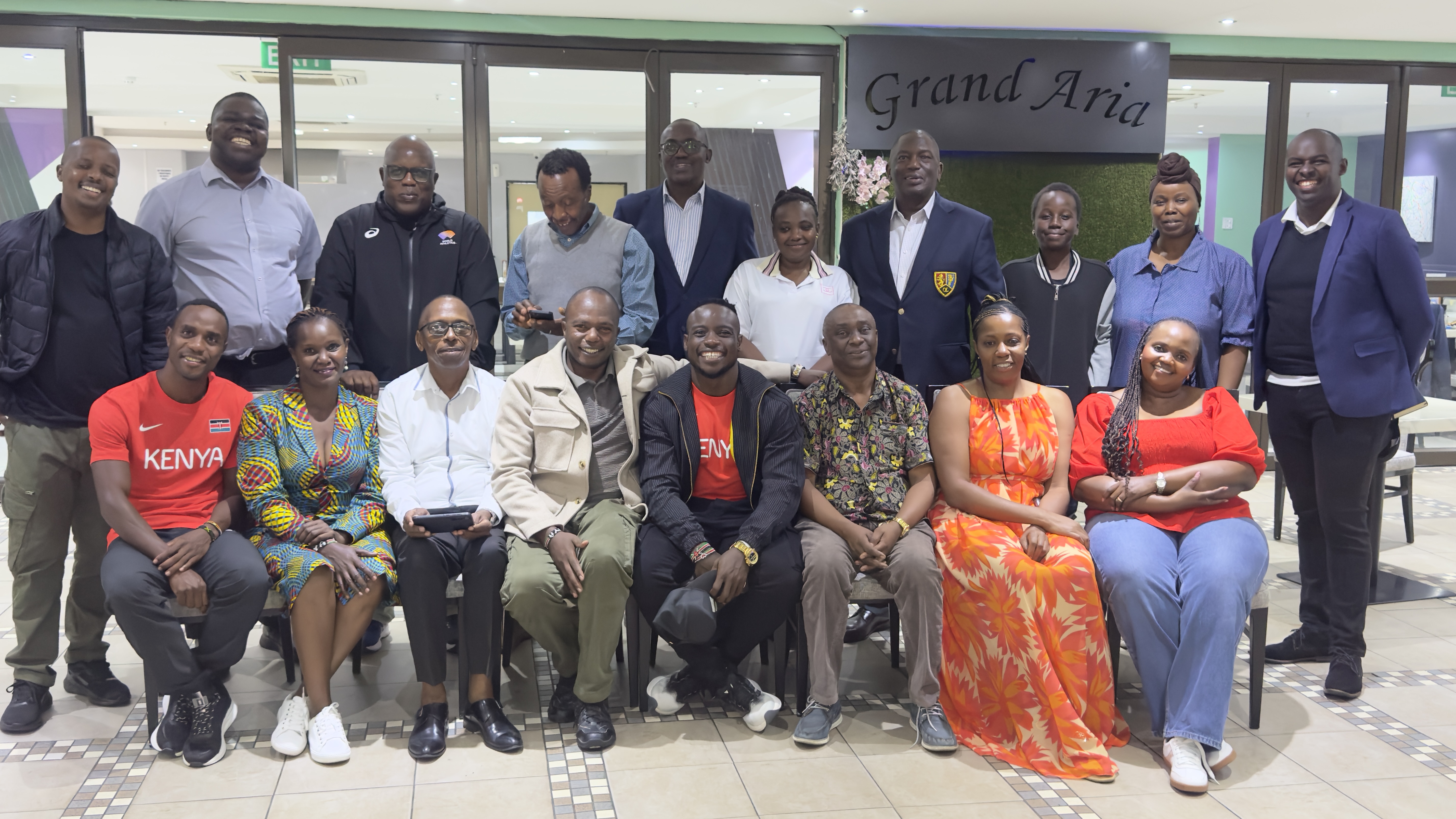
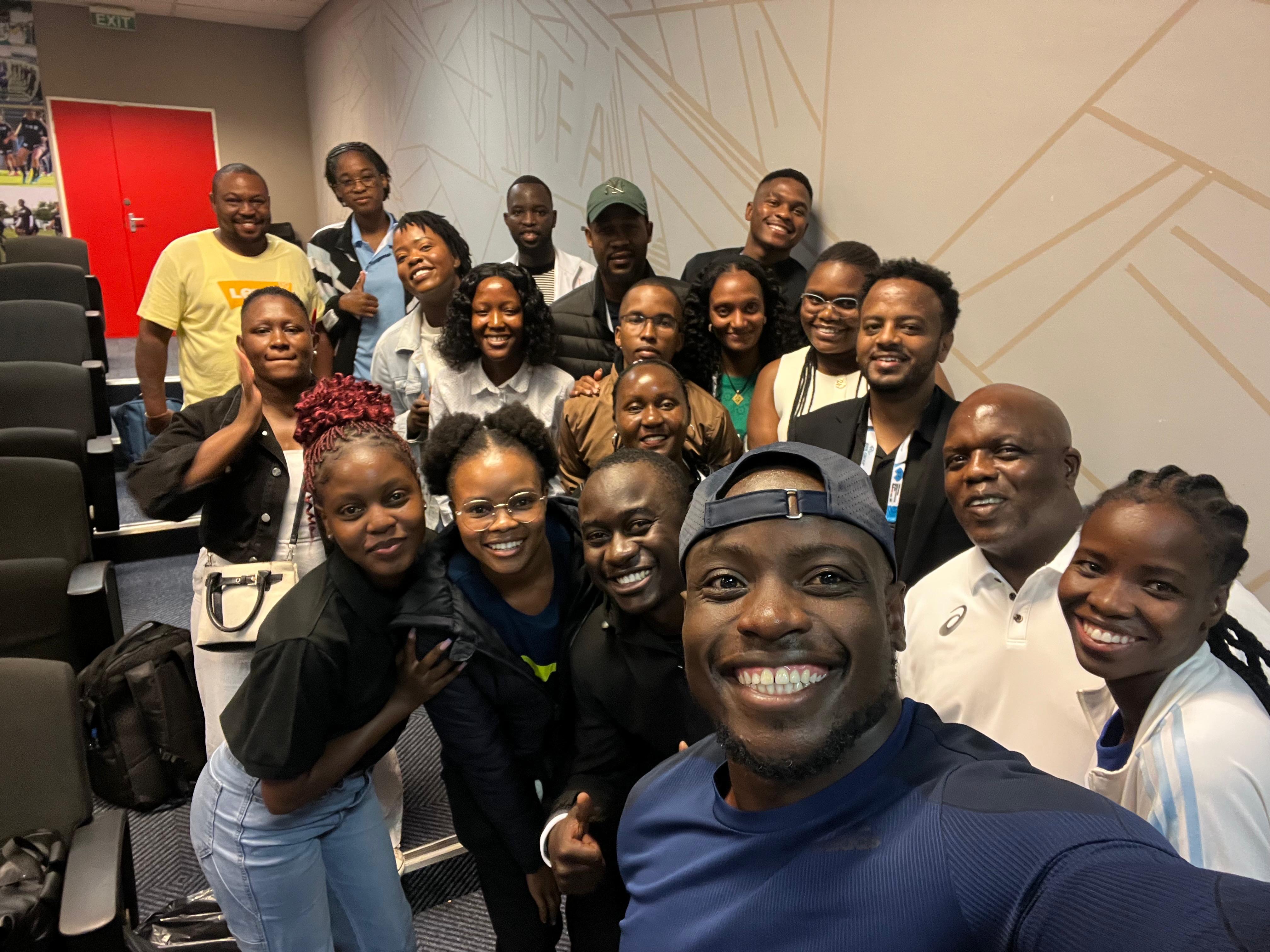
At the Grand Aria Hotel, accompanied by top sprinters Ferdinand Omanyala and Samuel Chege, we took photos with members of the local chapter of the Kenya Diaspora Association. (Photo / Pool)
While mingling, I discovered that the Kenyan footprint in Botswana is far deeper than just a few visiting track stars. There are well over 1,200 Kenyans officially clocked in and working here. Take into account the full community—dependents, cousins, and the inevitable extended network—and the diaspora numbers closer to a vibrant 5,000.
Teaching Profession Popular
The teaching profession is the most popular, with between 200 and 300 Kenyans employed as teachers in Botswana.
But don't mistake this for a standard expat crowd. Kenyans here aren't just taking up space; they are practically running the intellectual infrastructure. We are talking about a highly-weaponised workforce of white-collar professionals: sharp-witted lecturers shaping minds at the universities, medical specialists keeping the clinics running, corporate tax auditors calculating numbers with robotic precision, and engineers designing roads that don't wash away after a light drizzle. It is a textbook masterclass in brain gain.
This marks my second landing in Gaborone. Last year, I touched down as a World Athletics Media Delegate for the Botswana Golden Grand Prix track and field meeting. That trip handed me a major bucket-list moment: a brief tête-à-tête with Botswana’s brilliant Head of State, President Advocate Duma Gideon Boko.
Having obsessively tracked the country's historic 2024 General Election, watching Advocate Boko and his Umbrella for Democratic Change (UDC) pull off the political equivalent of a 100-metre hurdle victory was spectacular. It was the first time an opposition alliance snatched the keys to the State House since independence in 1966.
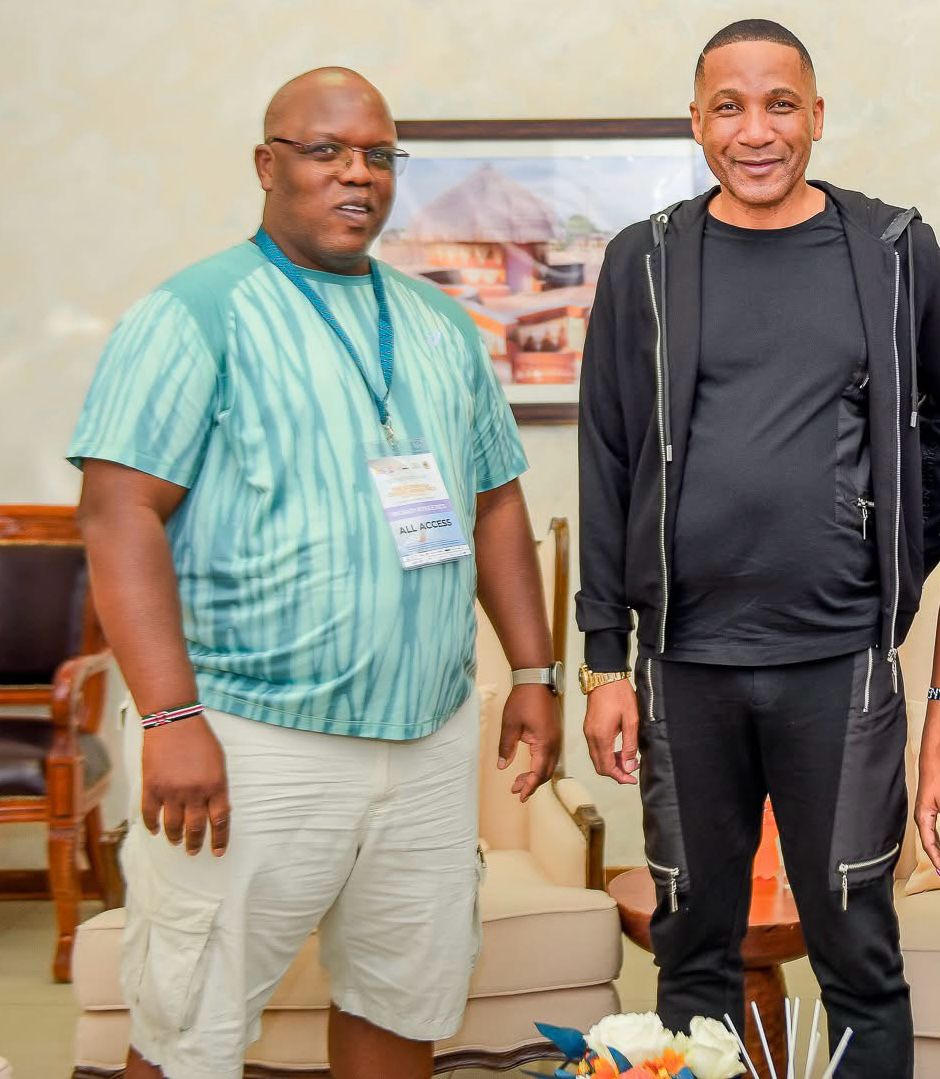
The trip handed me a major bucket-list moment: a brief tête-à-tête with Botswana’s brilliant Head of State, President Advocate Duma Gideon Boko. (Photo / Pool)
I had always admired his Obama-esque mien, razor-sharp eloquence, and unapologetic servant-leadership style. Naturally, when I got my moment with the Harvard Law School alumnus, I tried to keep it smoothly diplomatic. Key word: tried.
Me: "Good evening, Your Excellency! Massive congratulations on a fantastic meeting today, and of course, for successfully winning the bid to host the World Relays next year! Absolutely well done!"
President Boko: (Smiling warmly) "Thank you!"
Me: (Beaming with patriotic pride) "I am from Kenya, sir. Please receive the warmest, most fraternal greetings from the people of Kenya."
President Boko: "Thank you… Eish! Actually, I remember the last time I was in Nairobi. I was relaxing at my hotel… and you guys were having quite the lively riot outside. The teargas drifted right through the windows and snipped straight down our throats!"
Me: (Internal panic, quickly calculating the diplomatic fallout of Kenyan police tactics) "Ah! The GenZ protests? My profound apologies, Your Excellency! I truly hope you didn't inhale too much?"
President Boko: (Exploding into a rich, hearty laugh) "Hahahaha…!"
Turns out, nothing seals a pan-African friendship quite like sharing the distinct, unforgettable aroma of Nairobi's finest crowd-control measures.
Live on Air at Duma FM
Between political tête-à-têtes and diplomatic send-offs, I hit the local airwaves. I stopped by the studios of Duma FM, one of Botswana’s leading urban radio stations, for a live, high-energy interview with the brilliant and charming host, Anita Rannoba.
Sitting across from Anita, it didn't take long for the conversation to shift from regional development straight to our shared African sporting heritage. We chopped it up over the rising dominance of Botswana's sprinters, Kenya's legendary middle-distance dynasty, and the pure excitement of Gaborone securing the World Relays.
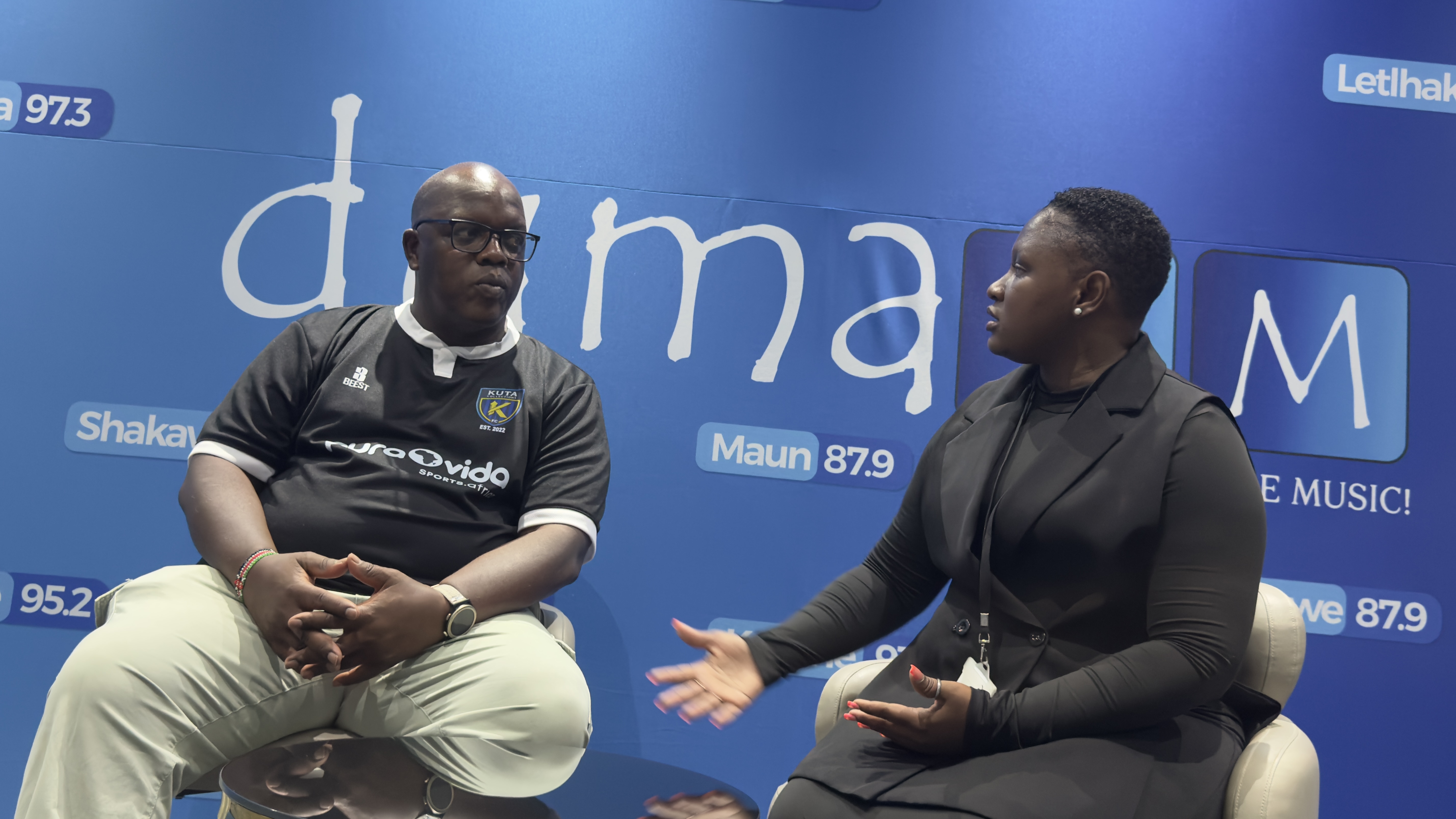
I stopped by the studios of Duma FM, one of Botswana’s leading urban radio stations, for a live, high-energy interview with the brilliant and charming host, Anita Rannoba. (Photo / Pool)
Anita has a knack for pulling out the best stories, and it was the perfect platform to connect directly with the local Batswana listeners who have been incredibly welcoming hosts throughout this trip.
Paint the Town Red: Gaborone’s Prime Dining, Nightlife:
When the track spikes are put away and the radio microphones are turned off, Gaborone’s social scene turns all the way up. The city's absolute culinary crown jewel is The Beef and Bush, a legendary steakhouse where meat is treated like fine art. If you want to sample Botswana's world-famous, succulent beef, this is your temple.
If you are looking for local legends, the historic Bull & Bush Pub is an institution. It anchors the expat and sporting community with live sports screenings, heavy wood counters, and massive portions.
The Bull & Bush Pub in Gaborone, Botswana, was co-founded and originally owned by business partners Peter Collins, Charlie Sheldon, and Irwin Tellis, who established the English-style tavern in the 1990s as a major local social hub.
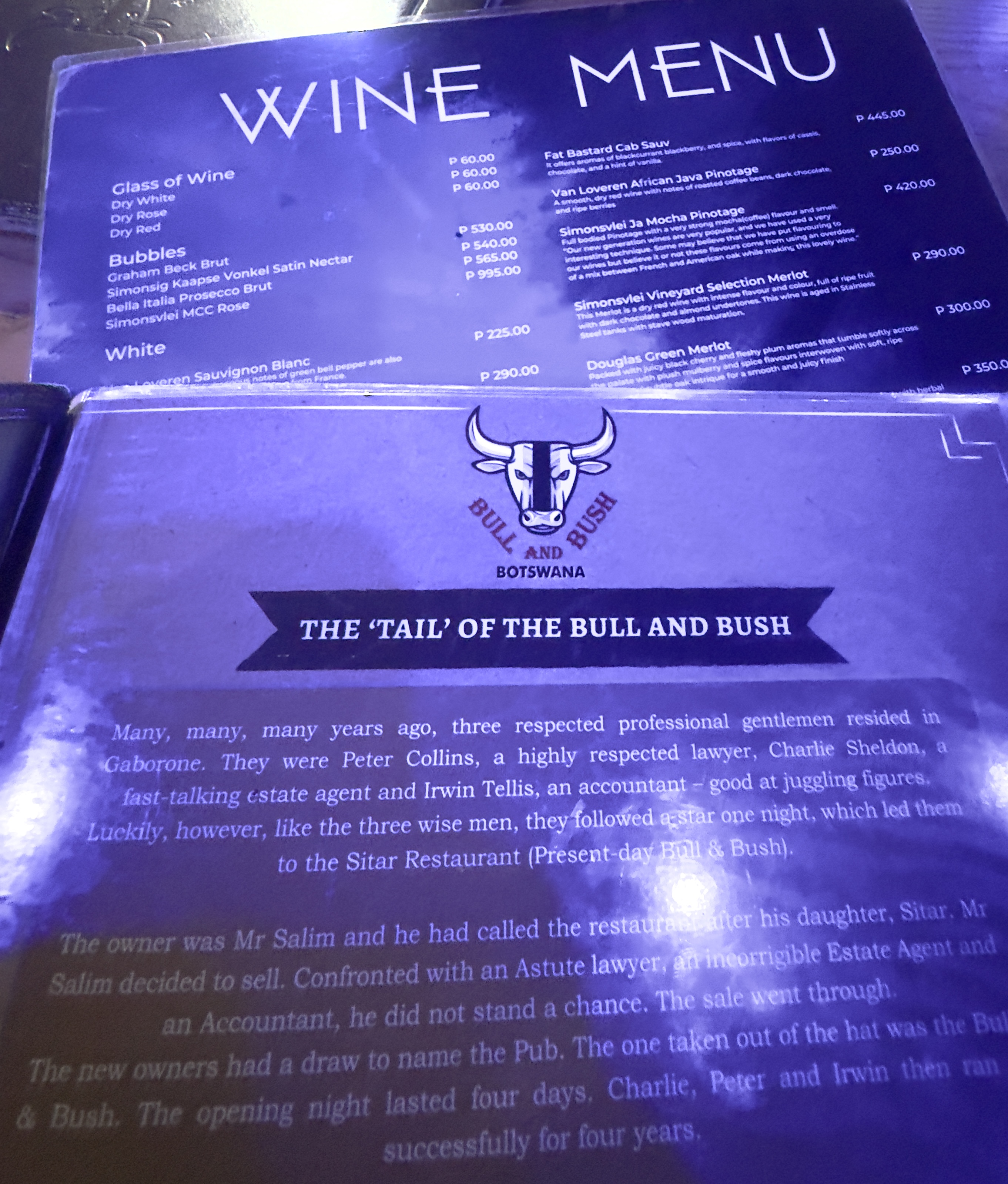
An interesting story on the menu of the historic Bull & Bush Pub in Gaborone. (Photo / Elias Makori)
Beyond their corporate ownership, the pub's physical site became permanently etched into Botswana's history during the infamous 2004 Daisy Loo Saga — a multi-million Pula legal scandal over a bush-clearing contract—because High Court documents officially designated the project's starting boundary as the "Bull and Bush pub."
This coincidence uniquely linked the founders' flagship hospitality venue directly to one of the country's most high-profile legal standoffs.
When you drop by, bypass the standard menu and order their absolute signature dishes:
- The Tomahawk Steak or 300g Rump: Flame-grilled to absolute melt-in-your-mouth perfection and heavily praised by regulars. Pair it with their signature pepper sauce.
- The Pork Ribs: Widely regarded across the capital as the best, stickiest ribs in Botswana.
- Oxtail Stew: A deeply rich, slow-simmered comfort classic that pairs perfectly with mash or rice.
- Pulled Caramelised Brisket Tacos: A fantastic modern inclusion loaded with massive, savory portions.
As I settle down, ready to order, I take note of the Bull & Bush Pub's regulations: "Dear customer. Kindly be advised: Groups of 10 people or more will incur an automatic 10% service fee. Thank you for your understanding. Bull and Bush management."
My guide Sean then took me for a wider taste of the city’s nightlife and dining hubs. One of the "must-go" spots is the Déjàvu Lounge CBD, Gaborone’s premier luxury nightlife destination that delivering a high-octane clubbing experience inside the iconic iTowers complex. Managed by prominent local artist DJ Kuchi, this upscale venue is celebrated for its cutting-edge sound, sleek visual production, and an electric dance floor that stays packed until 6:00am.
So, when in "Gabs", make sure to mark these spots on your itinerary:
- The Main Mall & Phase 2 Eateries: For the authentic local culinary experience, head into these bustling zones to find traditional eateries serving Seswaa—Botswana's heavily pounded, slow-cooked shredded beef delicacy.
- The Fields Mall & iTowers (New CBD): The modern heartbeat of Gaborone's upmarket dining. This precinct features chic rooftop bars and sleek cosmopolitan lounges perfect for post-track meeting networking.
- Mokolodi Nature Reserve Restaurant: Located on the city limits, this thatched-roof sanctuary allows you to dine on wild game strips while staring out at a waterhole frequented by wildlife.
- Forex Flash: Navigating the Pula and the Shilling:
Financial planning is straightforward on this route. The Botswana Pula (BWP) sits considerably stronger than the Kenya Shilling (KES), trading at an active rate of 1 BWP to KSh 9.60 (or conversely, KSh 1 to 0.104 BWP).
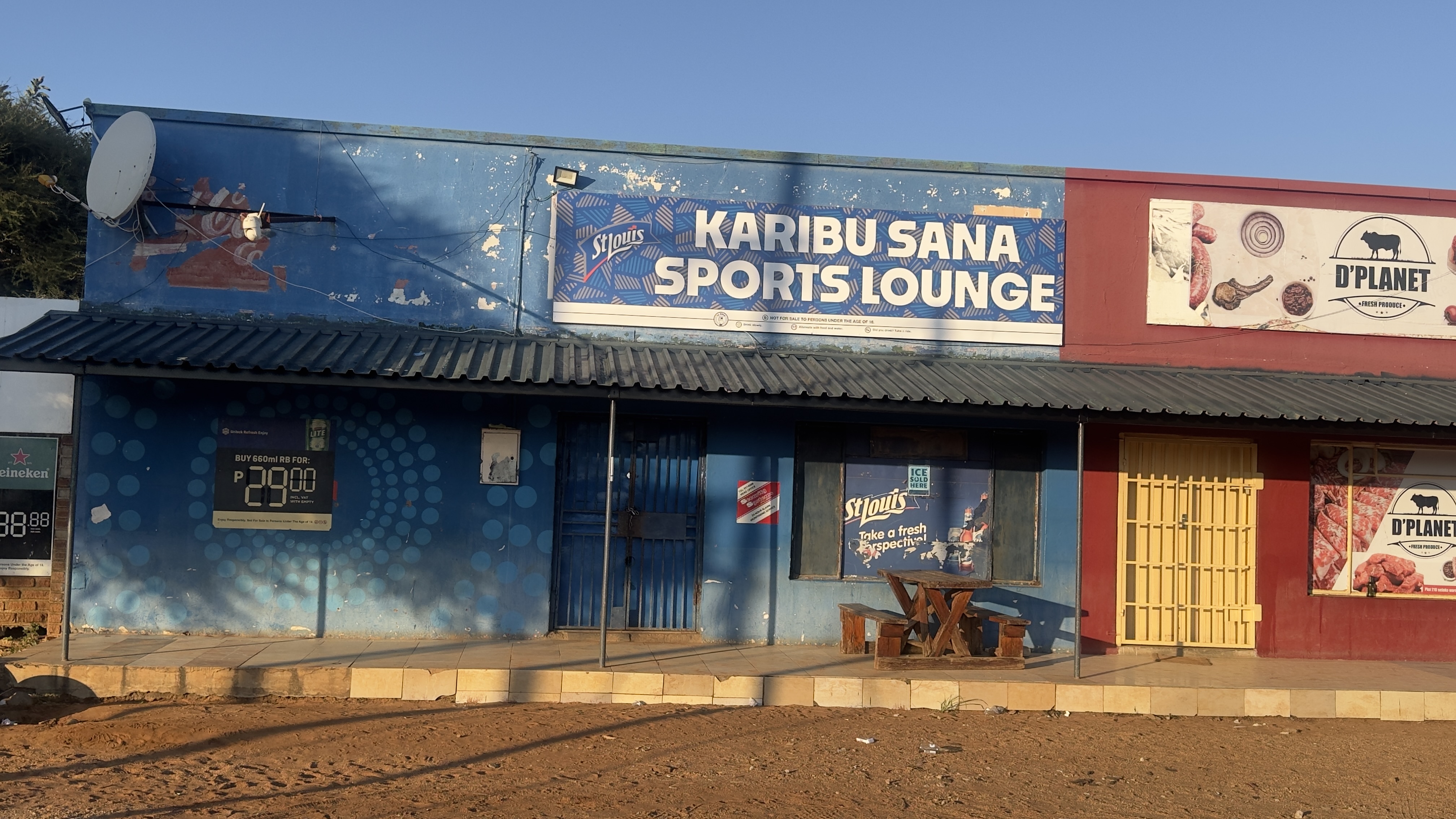
It's not uncommon to see establishments bearing Kiswahili names in Gaborone. (Photo / Elias Makori)
When budgeting your street-food runs or taxi fares, a quick mental shortcut is to multiply any Pula price tag by 10 to get a near-accurate estimate of what you are spending in Kenyan Shillings. While credit cards are widely integrated across high-end hotels like Avani, keeping a few hundred hard Pula notes on hand is essential for local shared transit.
Boarding Pass Travel Tip: Gaborone on a Budget from Nairobi:
A budget-conscious sports fan travelling from Nairobi to Gaborone should budget approximately:
- Return airfare: KSh 85,000–120,000 ($657–$927). Look for flights on Ethiopian Airlines via Addis Ababa or Kenya Airways/Airlink via Johannesburg, booked two to three months out.
- Budget accommodation: KSh 4,500–7,500 ($35–$58) per night. Look for guesthouses or self-catering apartments in areas like Phase 2 or Main Mall rather than luxury business hotels.
- Daily food and local transport: KSh 2,500–4,000 ($19–$31) per day. Utilise local shared taxis called combis for incredibly cheap commuting, and try local staples like Seswaa at traditional eateries.
- Visa and travel insurance: KSh 8,000–12,000 ($62–$93). Check the latest e-visa entry requirements for Kenyan citizens before booking.
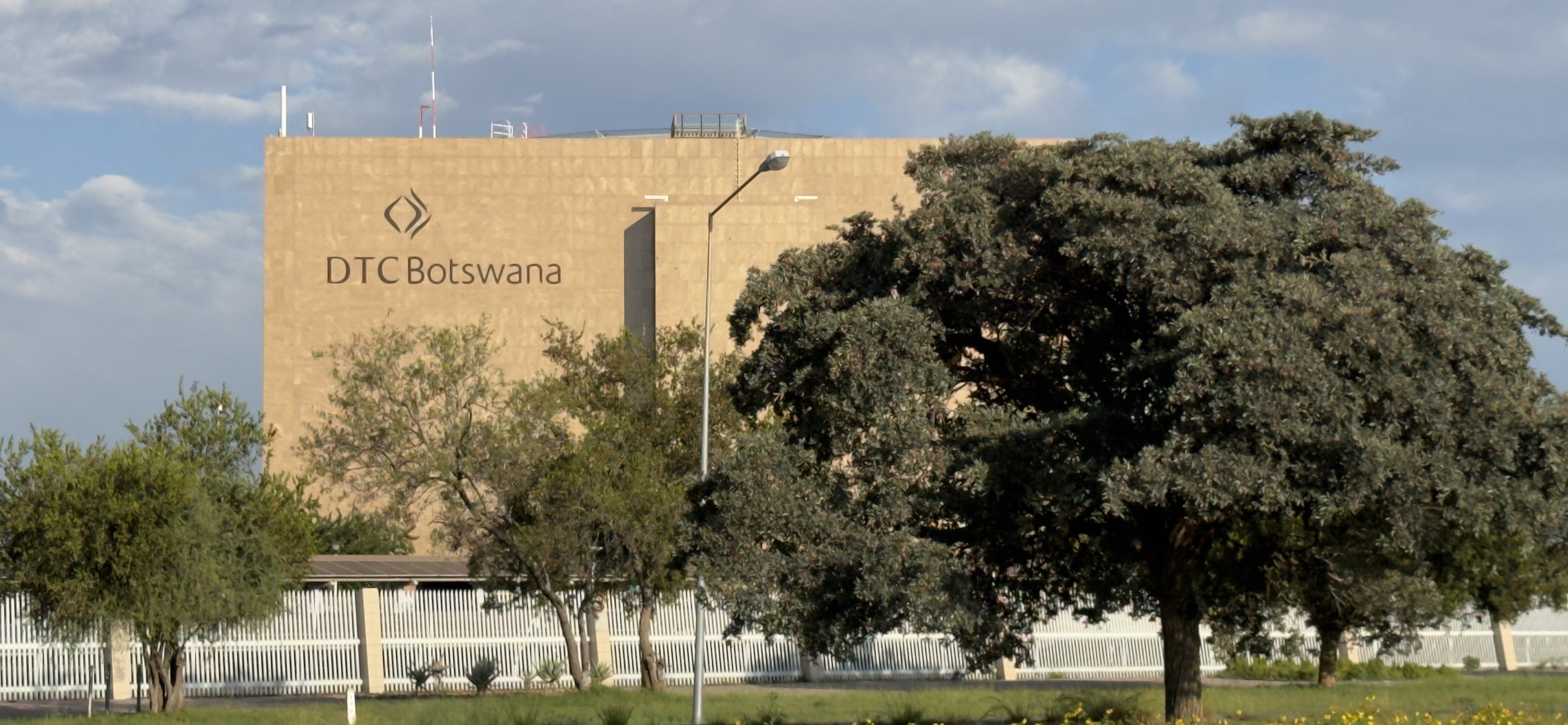
The headquarters of Debswana, Botswana's largest diamond mining company. (Photo / Elias Makori)
The Strategic Travel Hack: Beat the GGBE Premium:
If flights directly into Gaborone’s Sir Seretse Khama International Airport (GBE) are fetching a premium, bypass them entirely. Book a significantly cheaper return flight from Nairobi (NBO) to Johannesburg (JNB).
From Jo'burg's OR Tambo International Airport, catch a highly reliable, comfortable long-distance shuttle bus like Intercape or luxury regional coaches straight across the border into Gaborone.
The Transit: A scenic 6-hour road trip.
The Cost: A mere fraction of a regional flight at approx. KSh 3,500 ($27).
Total Trip Budget: For a 7-day sports safari utilizing this strategy, a realistic low-budget estimate sits comfortably between KSh 135,000 and KSh 185,000 ($1,043 - $1,430).
elias.makori@ymail.com