


By Elias Makori
Before the Parisian clay or the maritime energy of Rotterdam, or indeed the splendour of Rabat, my sports travels took me to the heart of Botswana for the World Athletics Relays.
Gaborone welcomed me with its signature serene charm; I deeply loved the peaceful afternoon walks along its quiet, clean sidewalks, which offered a calm contrast to the high-octane energy waiting at the National Stadium.
And the evenings were impeccable, crowned with traditional Seswaa (slow-boiled beef cuts) accompanied by Pap (version of Ugali), pushed down the throat’s alleys by copious amounts of St Louis Lager, thanks to an advisory shared by my indefatigable Bostwana friend Calistus Kolanthso.
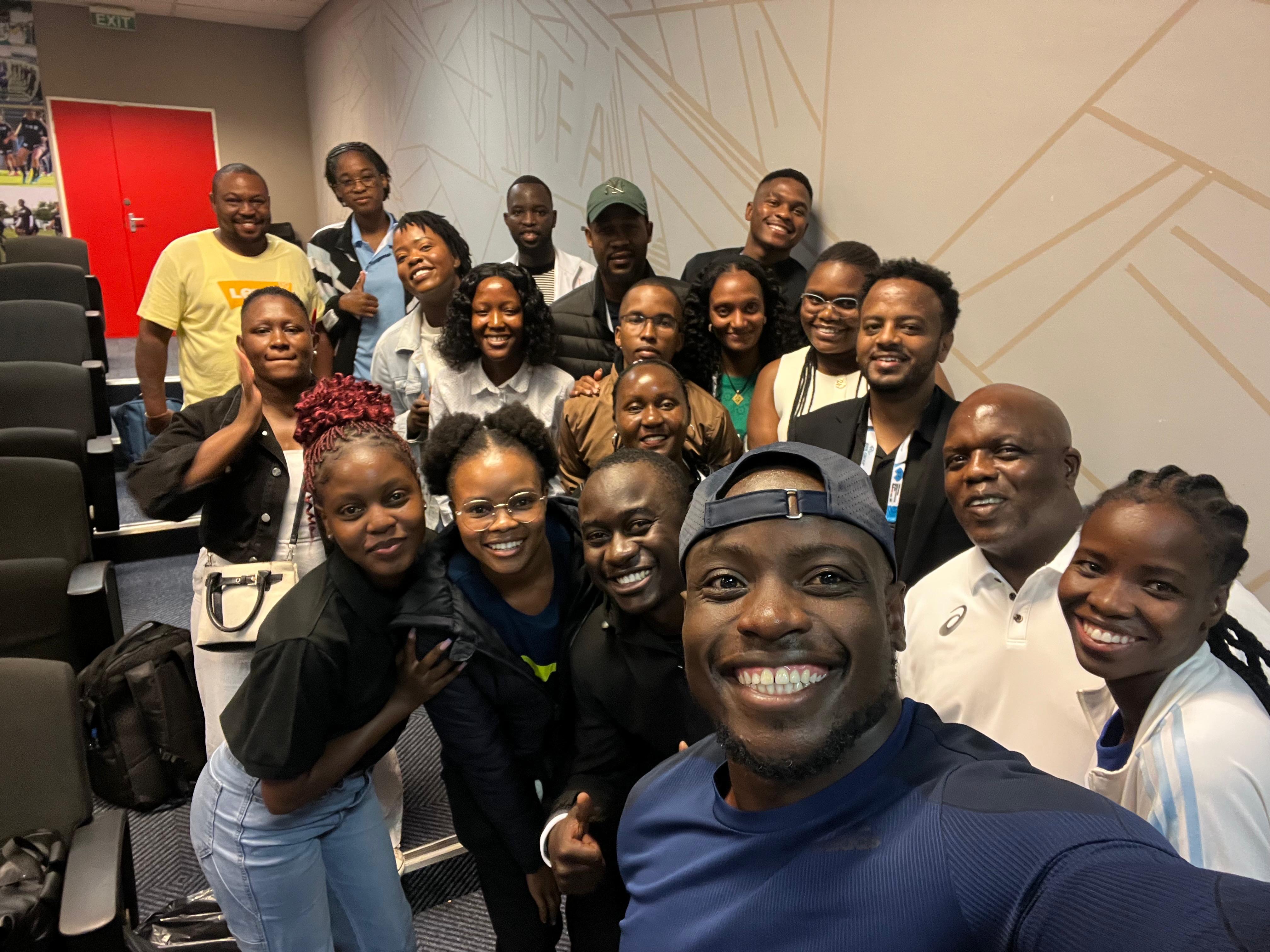
Yet, beyond following the breathless drama of the relays on the track, my primary mission in the capital was academic and developmental. I was privileged to serve among the expert lecturers at the prestigious World Athletics Media Academy.
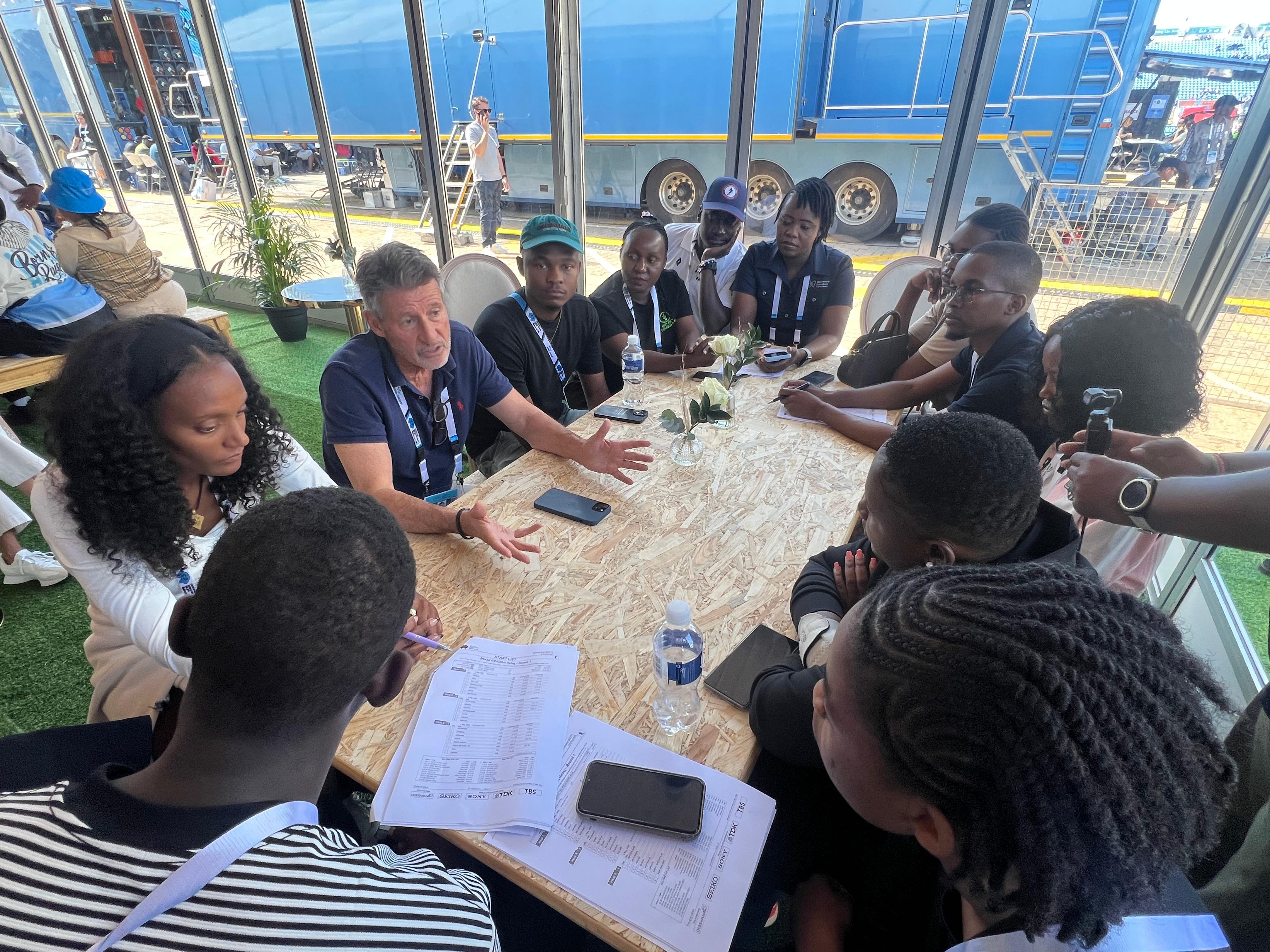
The undisputed crown jewel of the Gaborone Media Academy curriculum was an exclusive, interactive session with World Athletics President Seb Coe (gesturing). (Photo / Elias Makori)
Working alongside an incredible team of global media professionals — including John Mulkeen, Celestine Karoney, Martina Kucherova, and Zacharias Vailakis of World Athletics — our goal was to sharpen the minds of 14 young, ambitious sports journalists drawn from various African nations.
Profound Insights
To bridge textbook theory with real-world elite athletic experience, I invited Africa’s fastest man Ferdinand Omanyala and Botswana’s sprint sensation Tsaone Sebele to speak directly to the students.
Hearing the athletes break down their mental preparation, media expectations, and the raw reality of life on the professional circuit was an invaluable masterclass for the young reporters.
The undisputed crown jewel of the academy curriculum, however, was an exclusive, interactive session with World Athletics President Seb Coe.
Lord Coe shared profound insights on the evolving landscape of global sports communication, digital media trends, and the critical role journalists play in keeping athletics relevant to a modern audience.
Away from the track and the lecture halls, the trip offered a deeply moving personal reunion. I was treated to a wonderful dinner with the vibrant Kenyan diaspora community in Botswana, hosted at the invitation of my high school classmate, Mike Dinga Okungu. Mike has been based in Gaborone for over a decade, carving out a highly successful career as a professional engineer.
As we caught up over dinner, our conversation naturally drifted back to our teenage years at Cardinal Otunga High School, Mosocho. In those glorious high school days, Mike was our legendary, outstanding field hockey goalkeeper — fearless between the posts and a true anchor of our school team.
Seeing how sport creates a lifetime bond that spans decades and borders was a beautiful reminder of why we travel.
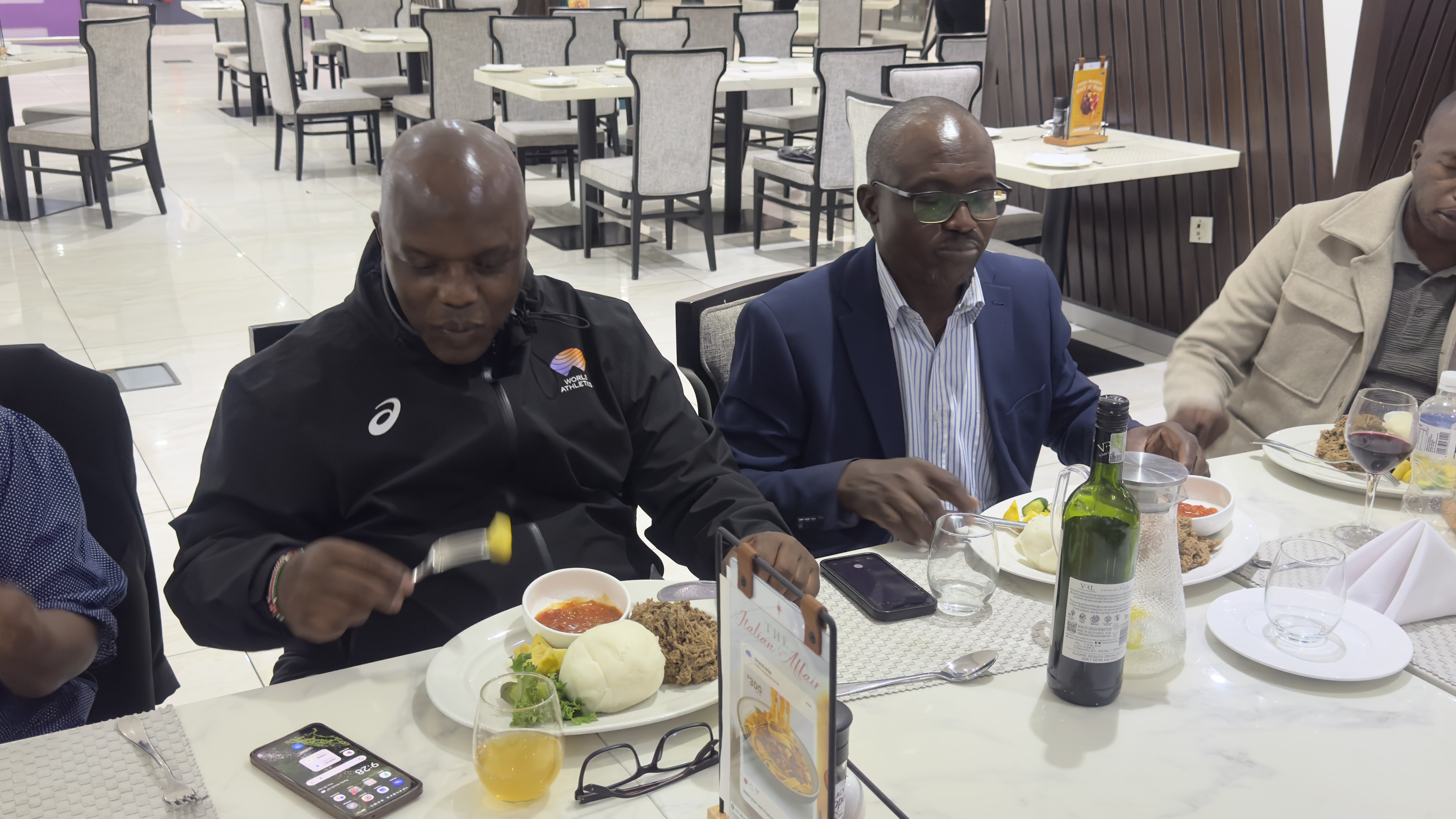
As I devour 'Seswaa' and 'Pap' (traditional Botswana beef and 'ugali') with my high school mate Mike Dinga (in glasses) in tow. (Photo / Pool)
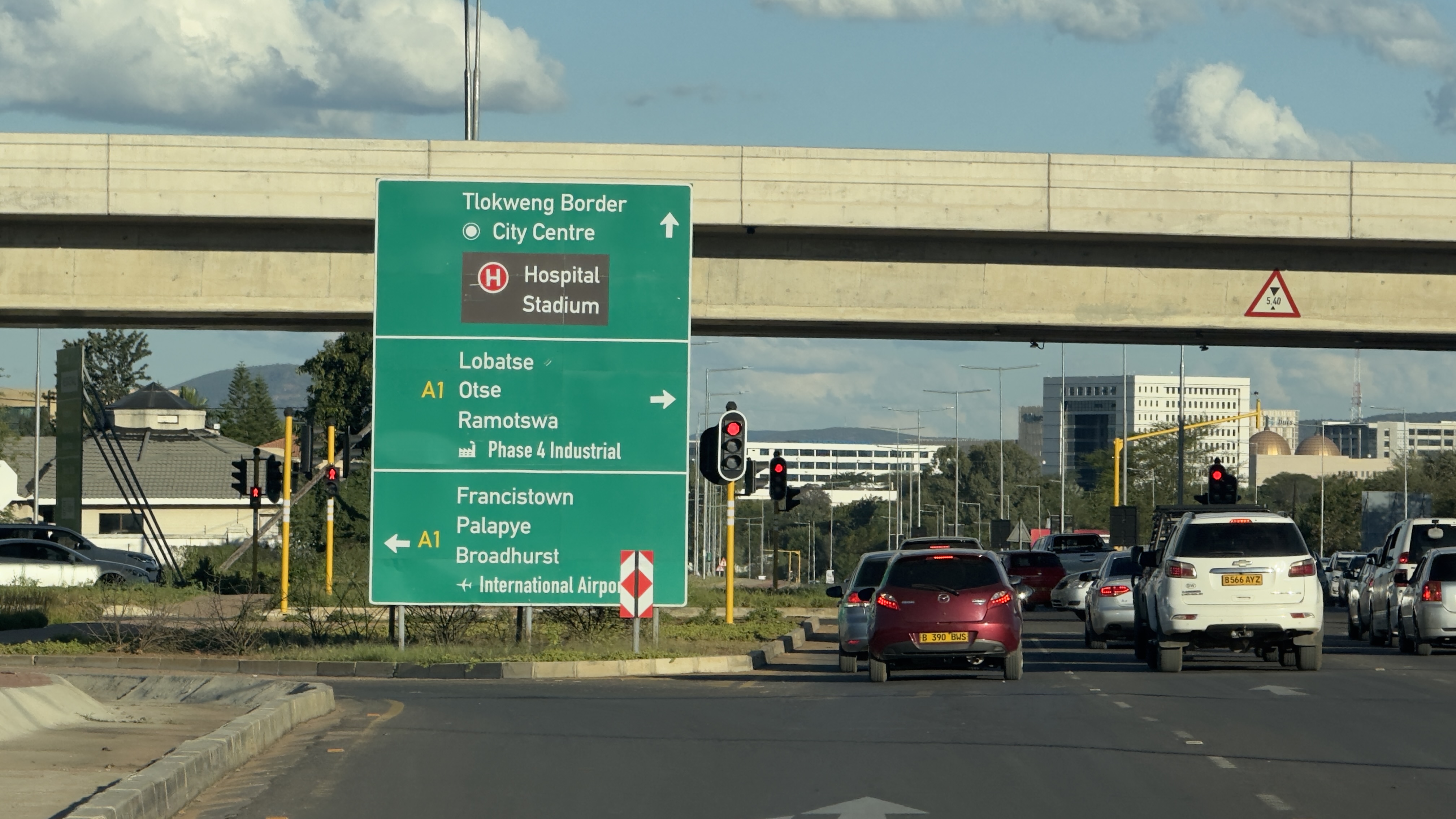
Meanwhile, Gaborone city’s vast, sparsely populated landscape provides a serene "fitness sanctuary" featuring expansive, quiet walking routes like the A1 Highway/Phakalane Loop.
Following a 10-kilometre "training session", the experience highlights a newfound respect for marathoners, fueling my consideration of the "no time limit" Honolulu Marathon, noted for its inclusive, unique, laid-back approach maintained by CEO Dr. Jim Barahal.
Local “Gabs” running groups, including Fearless Fitness Club and Gaborone Striders, stand out for maintaining the city's fitness culture.
Southern African Athletics Tour
On the track itself, the Botswana Golden Grand Prix – that preceded the World Relays - featured standout performances, including sub-11 second runs by Gabby Thomas, sub-10s from Ferdinand Omanyala, and a notable 20.68-second 200m from Zablon Ekwam.
Ekwam's progression in the 200m suggests high potential for his 400m specialty, aiming toward historical Kenyan records held by Carvin Nkanata and Samson Kitur, setting an exciting tone for the upcoming World Relays.
My Southern African athletics tour featured a high-octane "triple threat" that sprinted across two countries, featuring elite performances at the Botswana Golden Grand Prix, the Simbine Classic, and the World Athletics Relays.
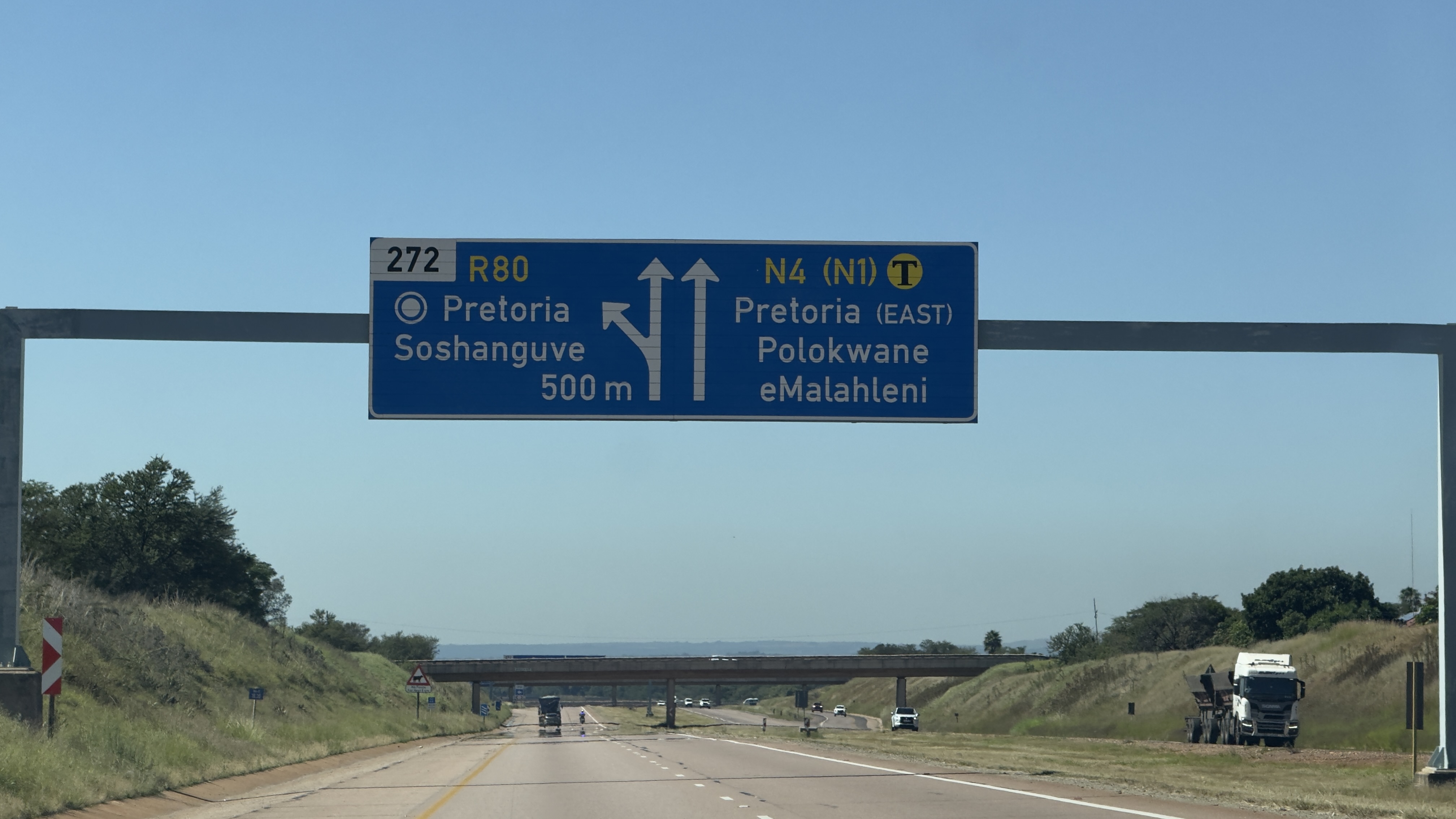
On the five-hour drive from Gaborone to Pretoria. (Photo / Elias Makori)
It took me a five-hour drive from Gaborone to Pretoria, soaking in the breathtaking landscape, stopping over for a KFC at Zeerust, a strategic transit hub on the N4 highway, also the gateway to premium safaris and a massive agricultural and mining hub.
Thanks to our host, legendary Botswana middle distance star Glody Dube, organiser of the Botswana Golden Grand Prix, the drive, together with Botswana's golden sprinter Tsaone Sebele, was quite memorable.
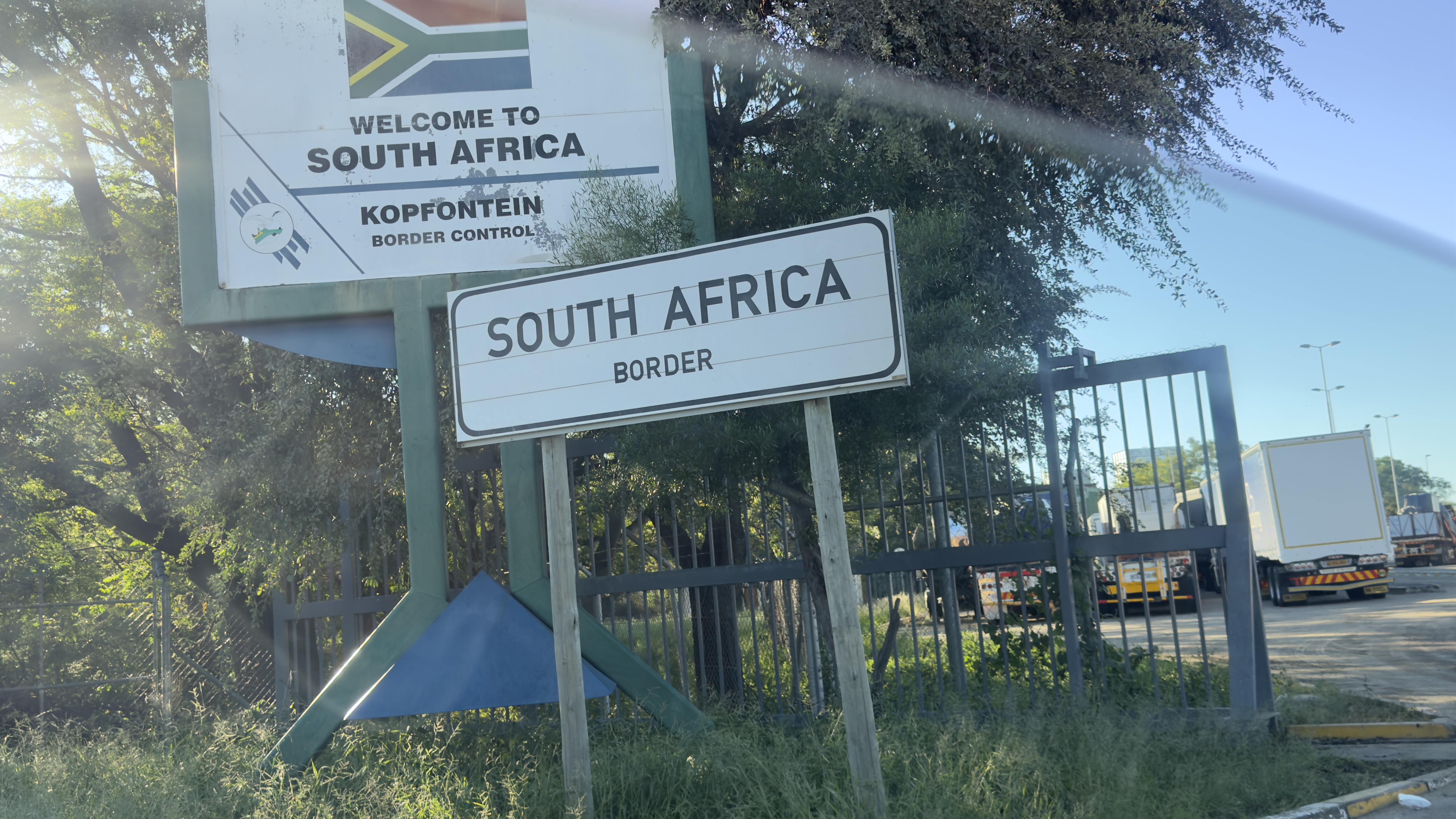
It took less than 10 minutes to cross the border (no visa needed for Kenyans on either side) at the Tlokweng Gate / Kopfontein (which operates between 6am and midnight). (Photo / Elias Makori)
It took less than 10 minutes to cross the border (no visa needed for Kenyans on either side) at the Tlokweng Gate / Kopfontein (which operates between 6am and midnight).
We made it to and from Pretoria before the bar in "Gabs" closed for the night (Note: Glody and Tsaone are teetotallers).
Beyond the competitive track action, the experience was defined by regional culture, vibrant energy, and the mentorship of young African journalists. Botswana is certainly a fine plot!
Until next week, keep your boarding pass ready.
***
Boarding Pass Travel Tip: Gaborone on a Budget from Nairobi
Reaching the diamond capital of Botswana from East Africa is quite straightforward, though regional flight prices require smart timing.
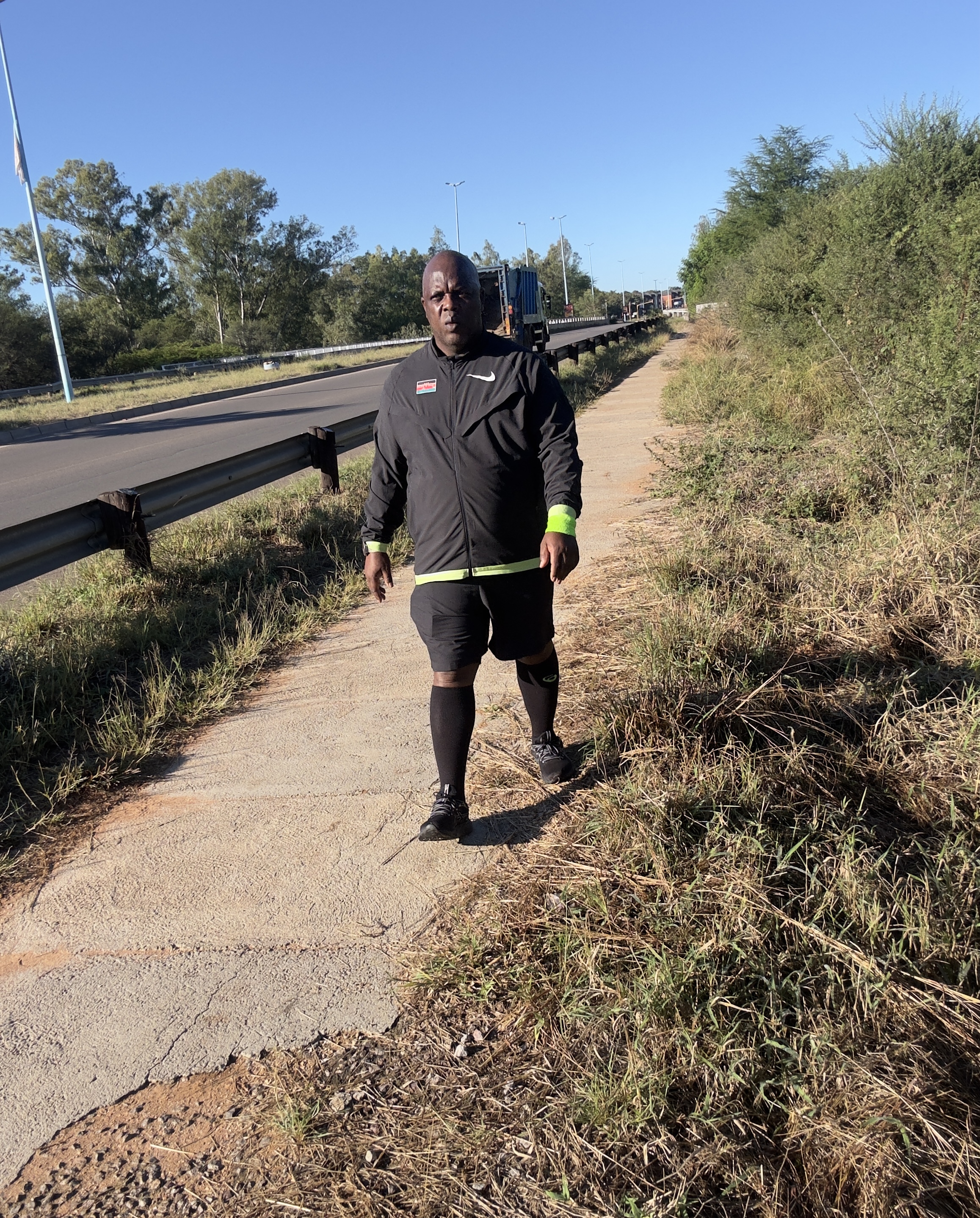
Gaborone city’s vast, sparsely populated landscape provides a serene "fitness sanctuary" featuring expansive, quiet walking routes like the A1 Highway/Phakalane Loop. (Photo / Pool)
A budget-conscious sports fan travelling from Nairobi to Gaborone should budget approximately:
- Return airfare: KSh 85,000–120,000 ($657–$927) (Look for flights on Ethiopian Airlines via Addis Ababa or Kenya Airways/Airlink via Johannesburg, booked two to three months out).
- Budget accommodation: KSh 4,500–7,500 ($35–$58) per night (Look for guesthouses or self-catering apartments in areas like Phase 2 or Main Mall rather than luxury business hotels).
- Daily food and local transport: KSh 2,500–4,000 ($19–$31) per day (Utilise local shared taxis/combis for incredibly cheap commuting, and try local staples like Seswaa at traditional eateries).
- Visa and travel insurance: KSh 8,000–12,000 ($62–$93) (Check the latest e-visa entry requirements for Kenyan citizens before booking).
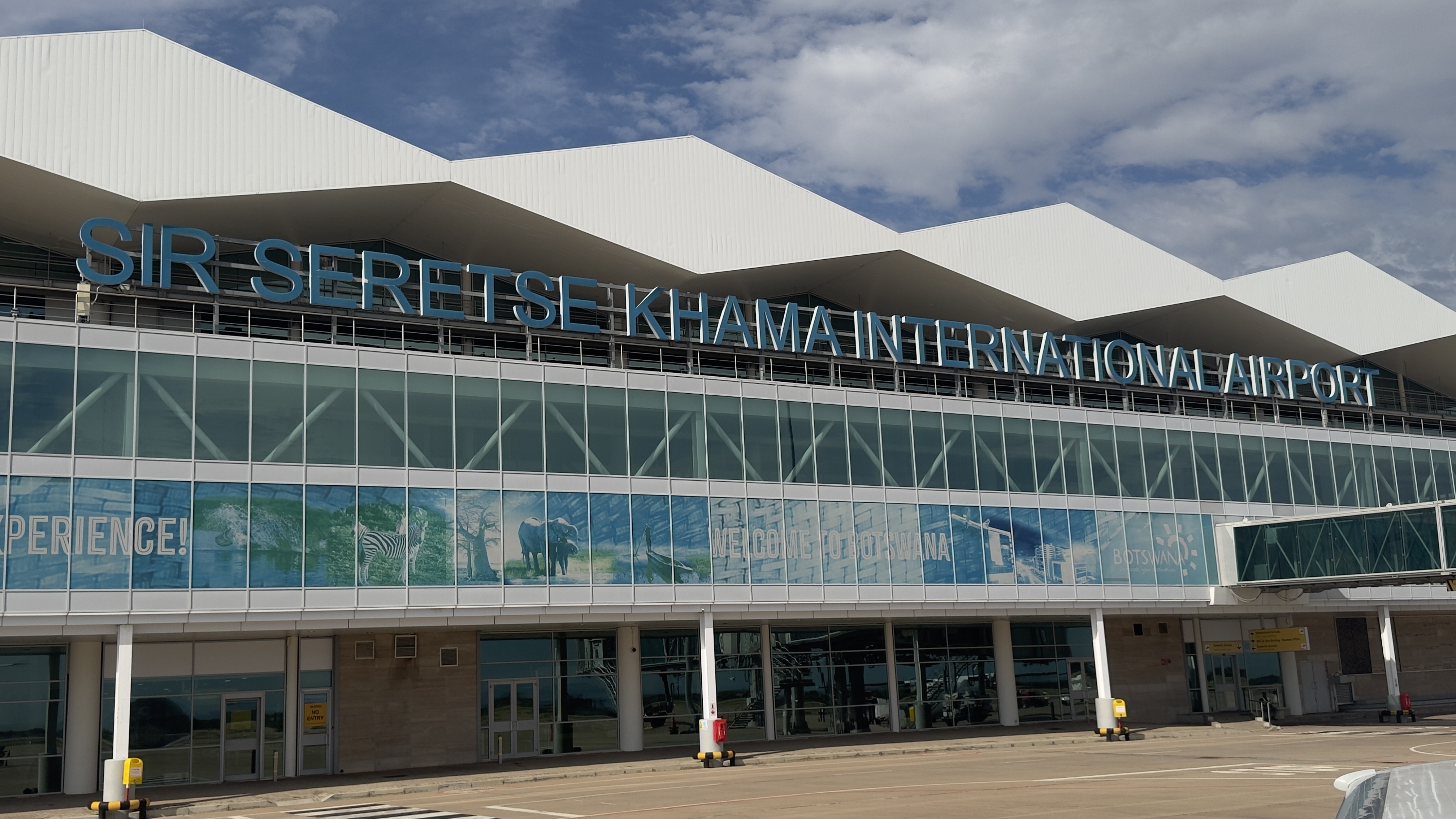
Gaborone’s Sir Seretse Khama International Airport (GBE). (Photo/ Elias Makori)
The Cheapest Strategy: If flights directly into Gaborone’s Sir Seretse Khama International Airport (GBE) are fetching a premium, book a cheaper return flight from Nairobi to Johannesburg (OR Tambo).
From Johannesburg, you can catch a highly reliable, comfortable long-distance shuttle bus (like Intercape or luxury coaches) straight across the border to Gaborone.
The scenic road trip takes around six hours, costs a fraction of a regional flight (approx. KSh 3,500 [$27]), and drops you right in the capital.
For a seven-day sports trip, a realistic low-budget estimate sits between KSh 135,000 and KSh 185,000 ($1,043 and $1,430).
– elias.makori@ymail.com