

Glasgow
The final night of the Glasgow 2026 Commonwealth Games on Sunday transformed the OVO Hydro into an explosion of color, sound, and Scottish pride, officially passing the hosting torch to India.
Under a canopy of swirling purple, blue, and gold stage lights, thousands of athletes flooded the arena floor as a unified, roaring wave of energy. Abandoning traditional national groupings, competitors danced side-by-side, waving flags, taking selfies, and collecting signatures on their team tracksuits.
The stadium erupted as Scotland's indie-rock icons, Simple Minds, took the stage to play an electrifying rendition of "Don't You (Forget About Me)," which had the entire arena singing in unison. The cultural handover segment shifted the atmosphere, filling the venue with the vibrant rhythms, traditional drums, and rich, multi-colored choreography of Gujarat.
This energetic performance gave spectators a spectacular taste of what awaits the sporting world at the Amdavad 2030 Centenary Games.
Africa's top-performing nations stood proud at the heart of this celebration, having asserted their dominance on the global stage throughout the eleven days of competition.
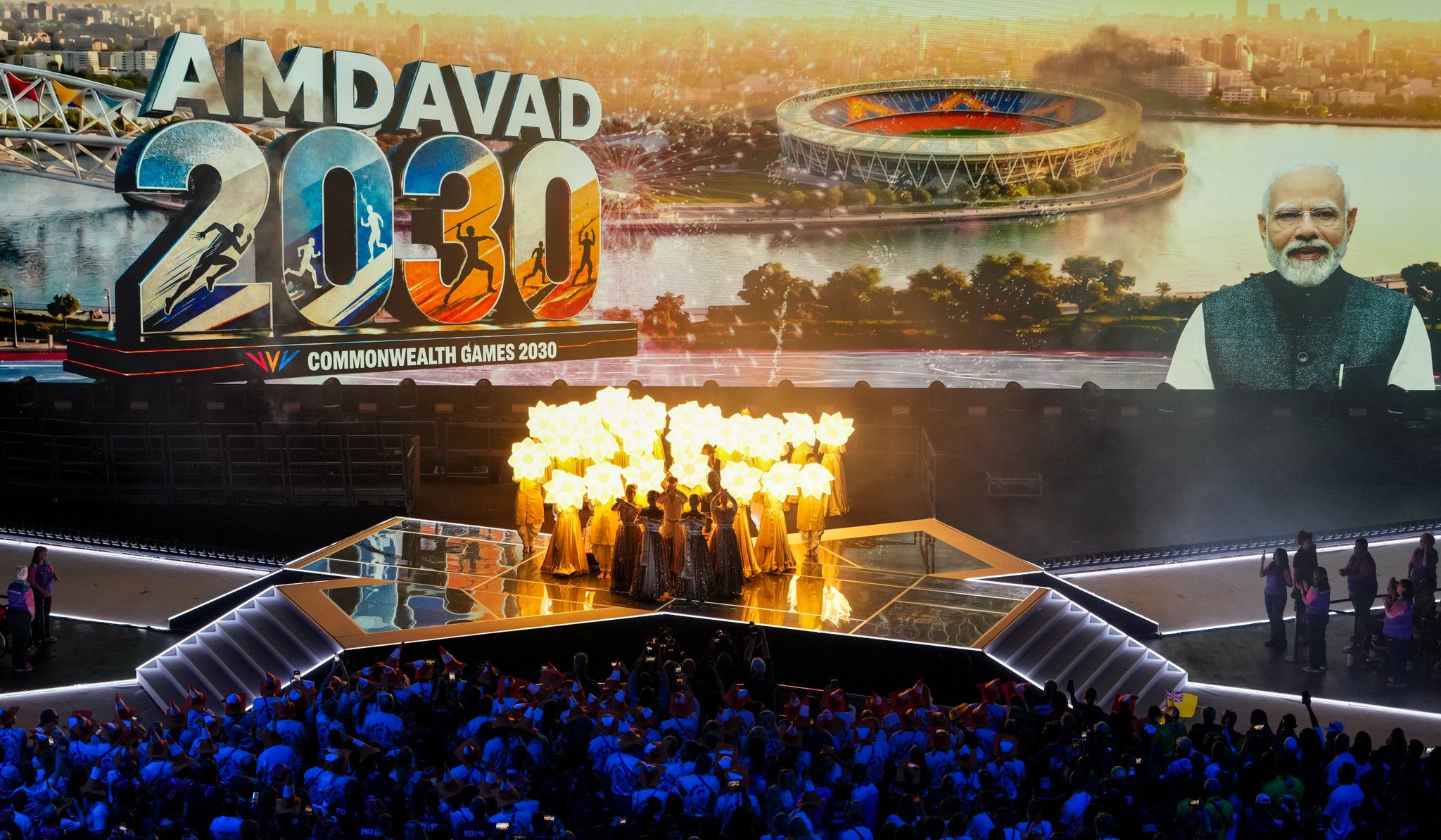
As they take over the baton as hosts of the next Commonwealth Games, Amdavad 2030 say they are proud to have the role and will continue to build on the work done by Glasgow 2026. (Photo / Glasgow26)
African Dominance on the Track and Field
The final day of the Glasgow 2026 Commonwealth Games delivered high-stakes drama, bringing a streamlined and sustainable eleven-day competition to a thrilling close.
While Australia claimed the top spot on the global leaderboard, African nations established a massive presence across the track, field, and combat arenas.
The final day saw intense podium battles before the closing ceremony at The Hydro passed the hosting torch to Amdavad, India, for the 2030 edition.
Nigeria emerged as the continent's top-performing nation, utilizing gold-medal superiority to finish seventh globally.
The Nigerian team captured historic victories on the track, including Samuel Ogazi's spectacular gold in the men's 400m and Ezekiel Nathaniel’s landmark title in the 400m hurdles.
In para-sports, powerlifter Folashade Oluwafemiayo dominated her event by shattering world records, anchoring Nigeria's position as a global sporting powerhouse.
South Africa secured the highest total medal count among African delegations, finishing 11th globally.
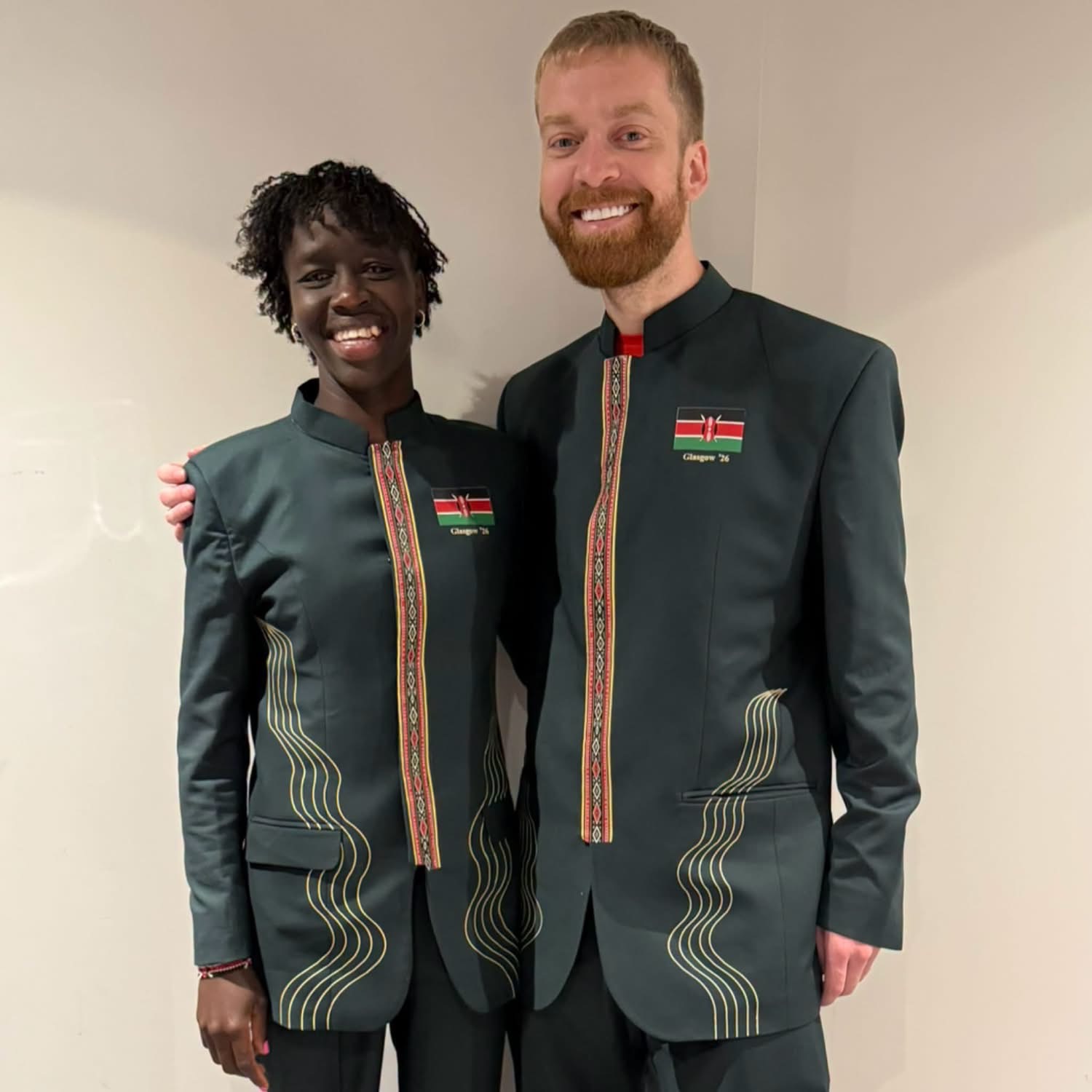
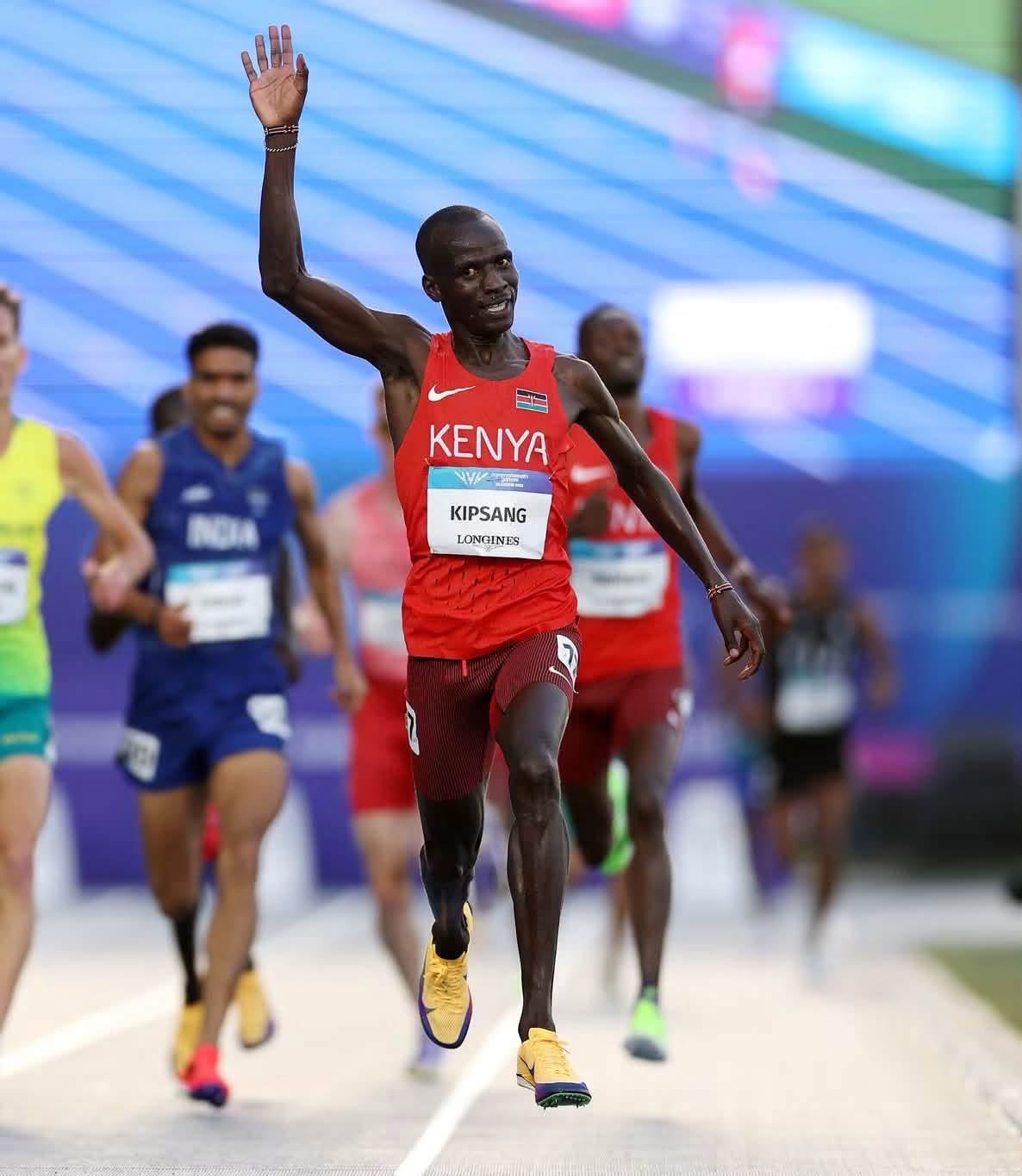
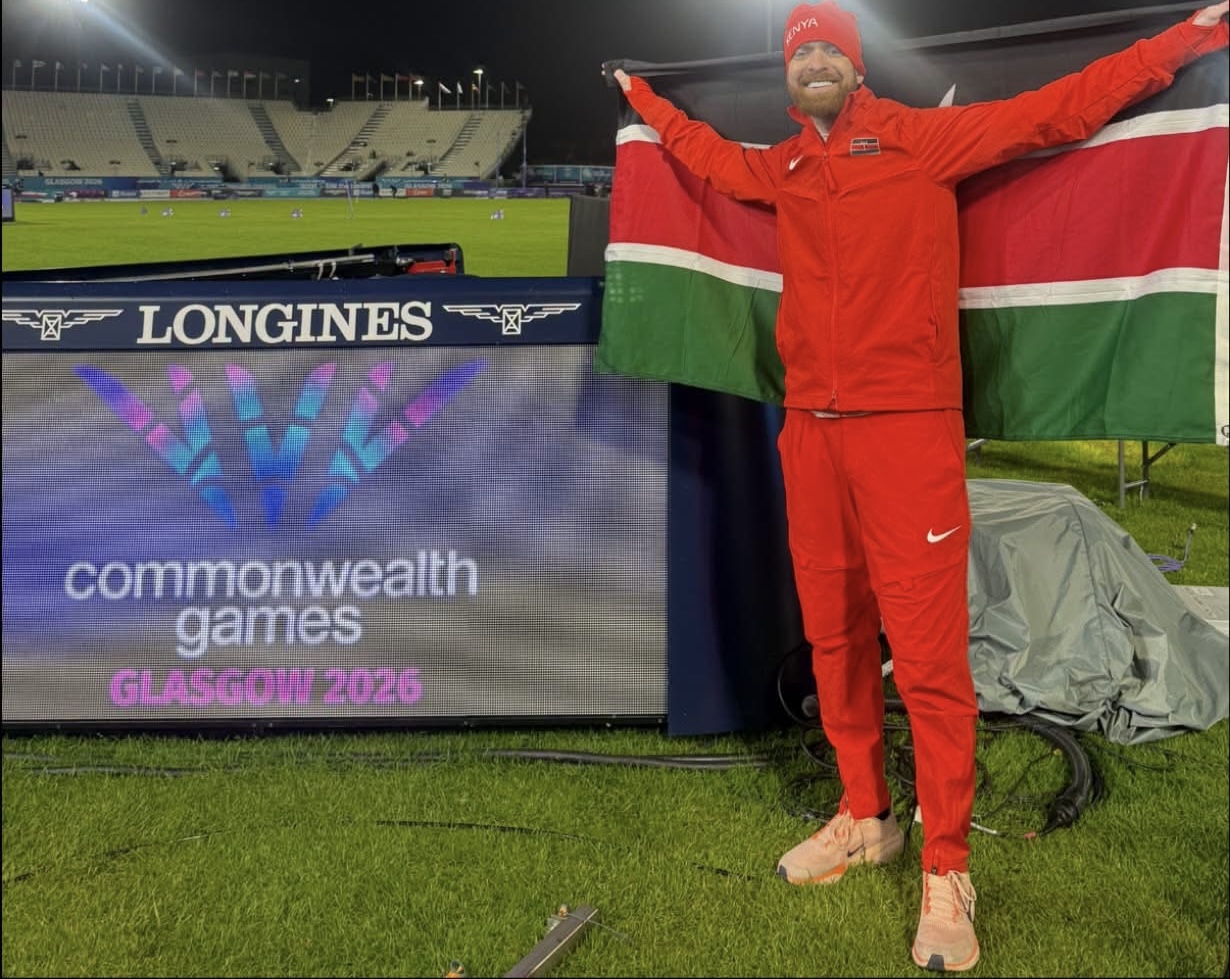
Their balanced performance spanned swimming, athletics, and rugby sevens, yielding an impressive collection of podium finishes. Meanwhile, Kenya maintained its formidable reputation in middle and long-distance running, dominating the distance events to finish as the third-best African nation.
West and East African nations added to the historic haul. Cameroon’s campaign was highlighted by Emmanuel Eseme, who stormed to a thrilling gold in the men's 100m final with a blistering time of 9.83 seconds.
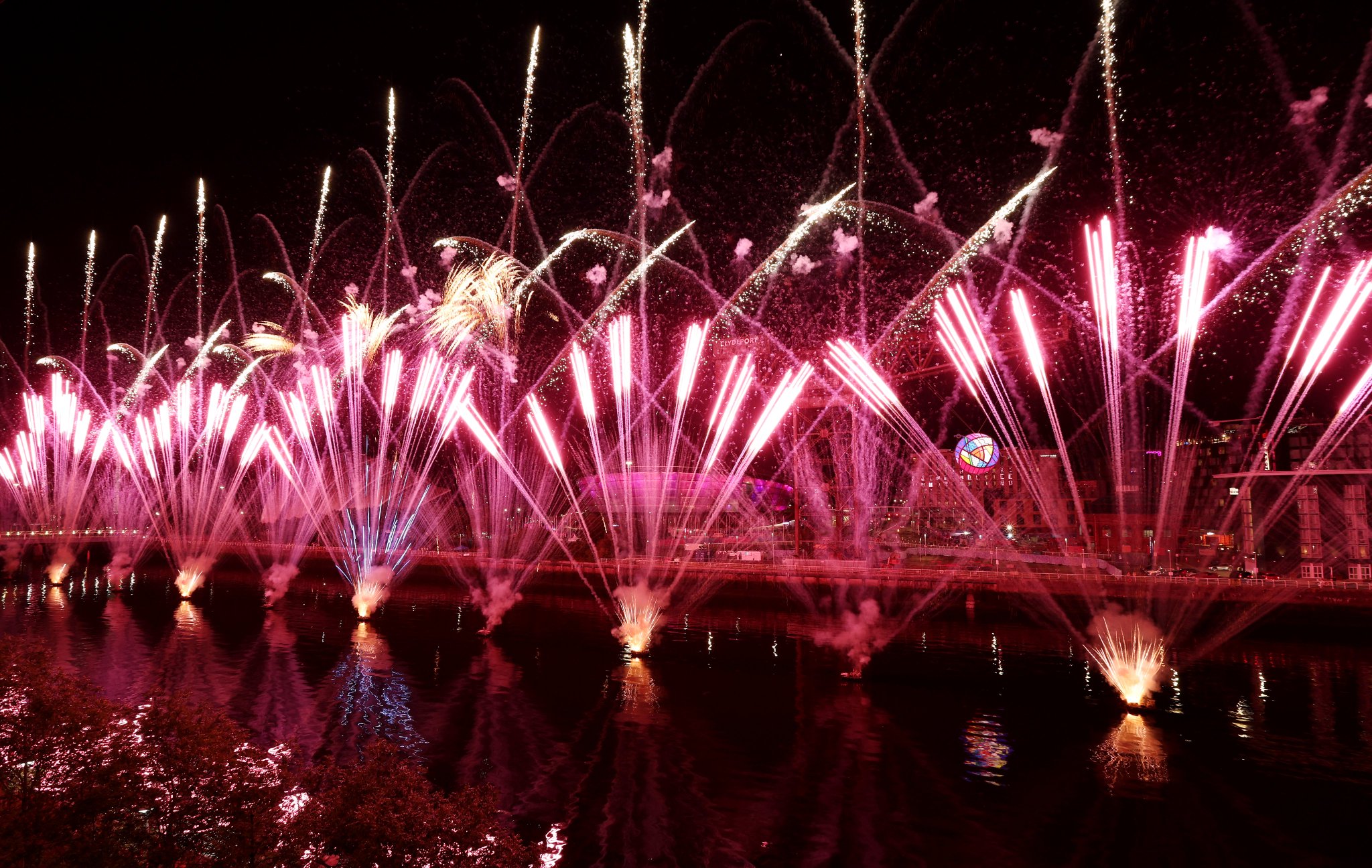
A spectacular final fireworks display was set off from a series of pontoons rigged in the centre of the River Clyde, positioned directly between Bells Bridge and the Clyde Arc Bridge. (Photo / Glasgow26)
Mauritius also enjoyed an exceptional tournament, securing a top-15 global finish. In total, 13 African countries claimed silverware, providing a vital launching pad for athletes heading toward the Los Angeles 2028 Olympic Games.
Australia Top Performers
Featuring 3,000 athletes from 74 nations, the Glasgow Games highlighted Australia's top performance and Kenya's strong track presence, while Amdavad prepares to host an expanded, inclusive event in Gujarat to further India's sporting ambitions.
As they take over the baton as hosts of the next Commonwealth Games, Amdavad 2030 say they are proud to have the role and will continue to build on the work done by Glasgow 2026.
Scotland hosted the Games for the fourth time after the Australian state of Victoria withdrew, and Glasgow 2026 promised a reimagined Games, which they delivered in style with 3000 athletes from 74 nations and territories competing in 215 medal events across 10 sports.
Amdavad is the largest city in the state of Gujarat and at a press briefing marking the transition, Deputy Chief Minister of Gujarat Harsh Sanghavi said they embraced the responsibility of staging what will be the Centenary Games with deep gratitude.
“It is a big responsibility, but we are ready,” said Sanghavi, who was joined by Shri Hari Ranjan Rao, Secretary at the Department of Sport.
“We will learn from Glasgow’s excellence and carry those learnings forward.
“Amdavad is compact, well connected and vibrant with possibility. We have integrated transport systems, modern accommodation and our venues are clustered to minimise travel and maximise a great experience.
“When you come to Amdavad you do not simply enter a host city, you enter a home.
“We will continue to work with the Glasgow team who have always supported us and shown us how to make a Games happen in a short time.”
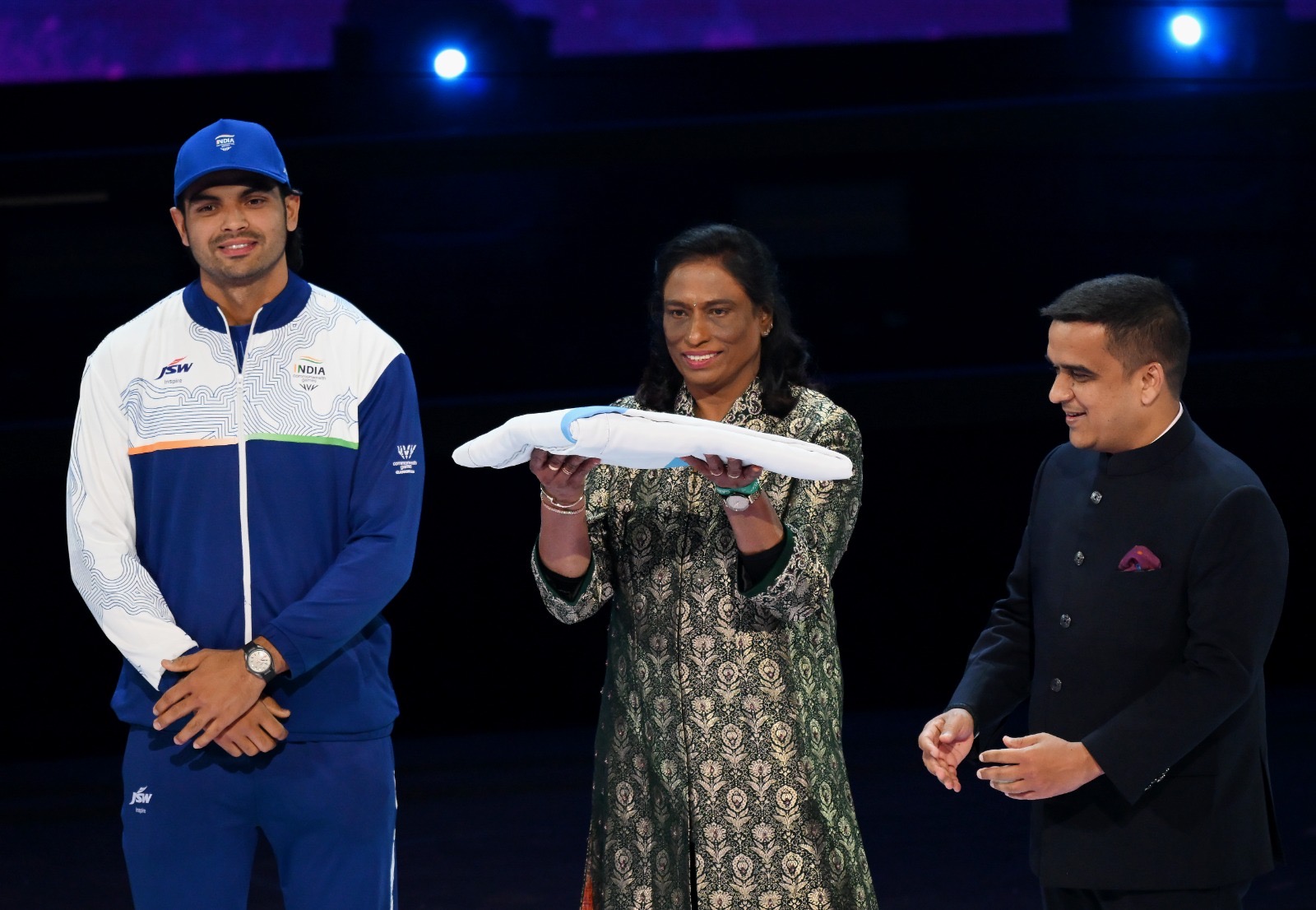
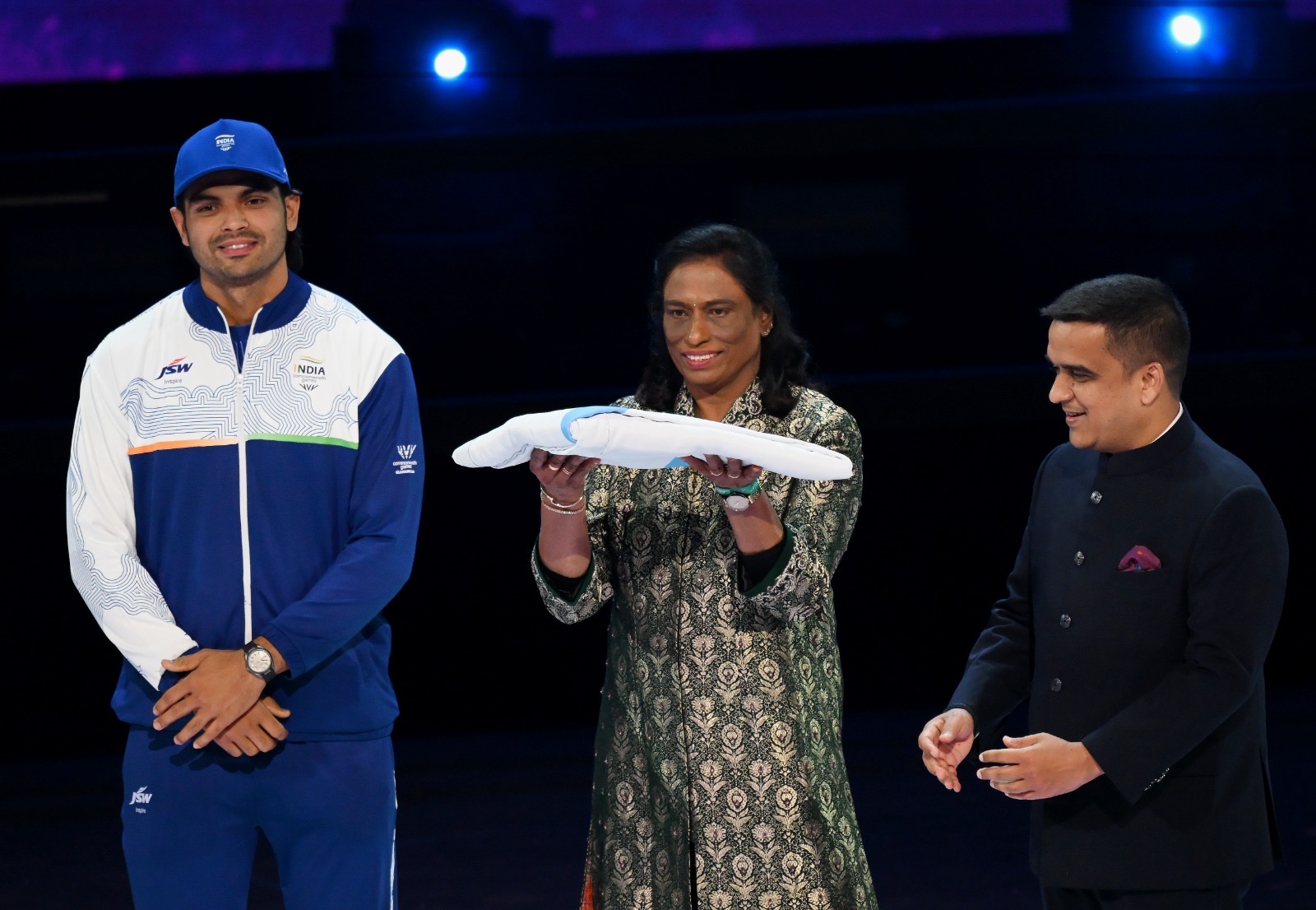
The Commonwealth Games flag was officially received on behalf of the 2030 host city, Amdavad, by an Indian delegation consisting of Gujarat Deputy Chief Minister Harsh Sanghavi (right), Indian Olympic Association President P.T. Usha (centre), and Olympic javelin champion Neeraj Chopra. (Photo / Glasgow26)
Cricket Possible Inclusion
The programme for Amdavad has yet to be finalised with Sanghavi mentioning cricket as one of the possible sports to be included but he promised the Para sport programme would be one of the best ever.
Katie Sadleir, CEO of Commonwealth Sport which signs off on the programme, said the Games was likely to feature “15 to 17” sports and would be “exciting and dynamic”.
For India, hosting the Games is a step towards becoming a leading destination for major sporting events. “Amdavad is a significant milestone,” said Sanghavi.
“India is committed to establishing itself as a sporting capital of a global state.
“We aspire to host the Olympic and Paralympic Games in 2036, and the Commonwealth Games is an opportunity to demonstrate India’s readiness to deliver world-class sporting events for athletes, for spectators and for the entire world.”
Glasgow 2026 CEO Phil Batty - who was at the briefing alongside Sadleir and Dr Donald Rukare, President of Commonwealth Sport - said the Games had welcomed 434,000 ticketed spectators across the 11 days of competition.
He insisted Glasgow 2026 had strengthened the Games and changed its future direction. “Not only are these Games relevant, they matter,” Batty said.
“As we me move forward into 2030 and beyond, we have created a belief among 74 nations that every single nation could and should host the Commonwealth Games.
“The Commonwealth Games, wherever it is hosted, should look and feel different and celebrate the identity, the character, the infrastructure, the communities and people of whichever nation is hosting.
“And with this new more flexible, sustainable, smarter, more inclusive approach to delivering a major sporting event, you will see every edition of the Games over the next 40 years with a different feel, dynamic and character.”
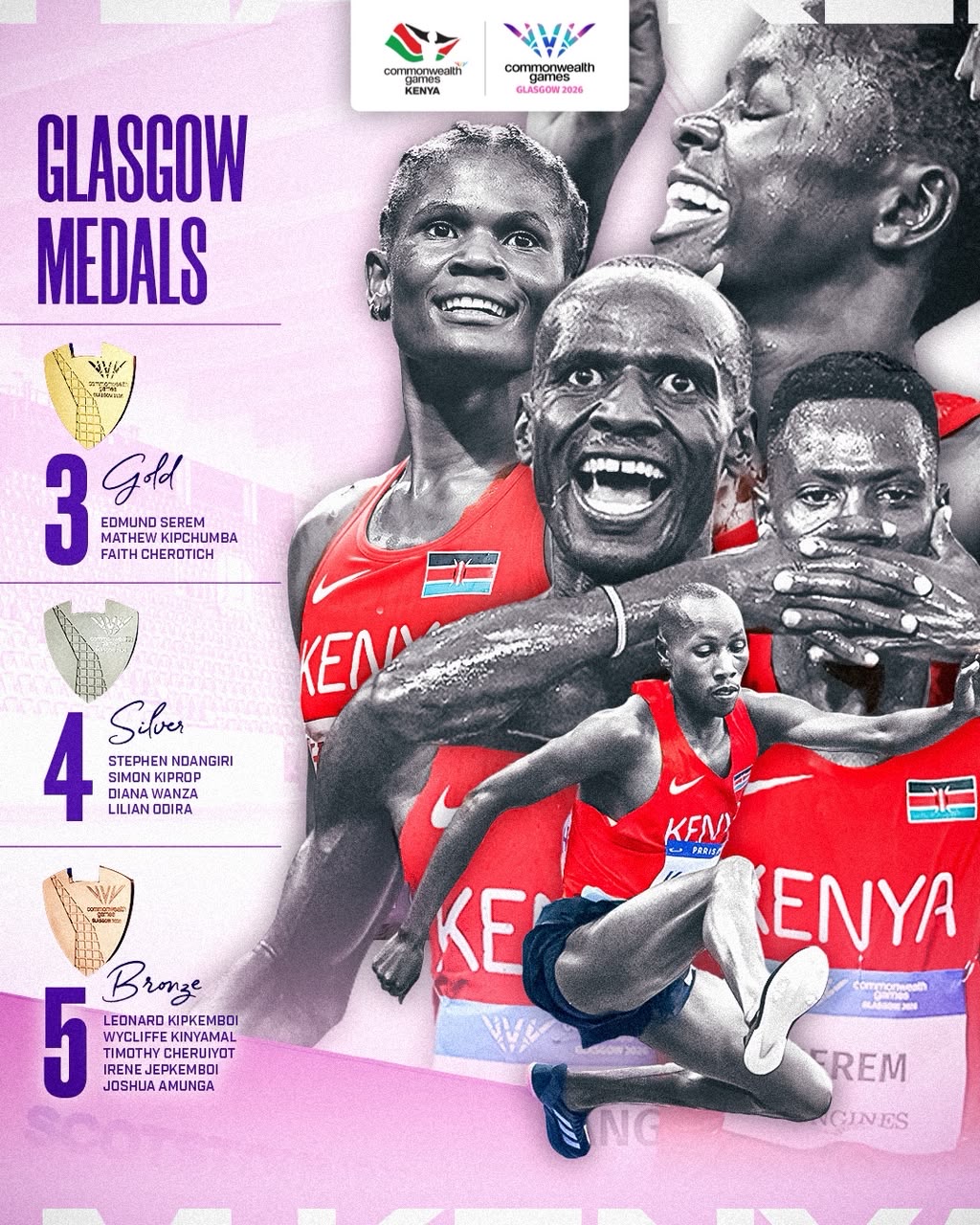
Kenya’s medallists at the Commonwealth Games in Glasgow. (Graphic / NOC-K)
Top African Performance Standings at the Glasgow Commowealth Games:
Nigeria: 10 Gold, 7 Silver, 7 Bronze (24 total) – Ranked 7th globally;
South Africa: 7 Gold, 11 Silver, 10 Bronze (28 total) – Ranked 11th globally;
Kenya: 3 Gold, 4 Silver, 5 Bronze (12 total) – Ranked 13th globally;
Mauritius: 1 Gold, 2 Silver, 1 Bronze (4 total) – Ranked 15th globally;
Cameroon: 1 Gold, 1 Silver, 3 Bronze (5 total) – Ranked 16th globally.
- Compiled from Glasgow26 and Agency Reports