

Glasgow, Sunday
As the curtain falls on the Glasgow 2026 Commonwealth Games, India has delivered a powerhouse performance, firmly positioning itself at fourth on the final medal table with a rich haul of 13 Gold, 17 Silver, and nine bronze medals.
This dominant display is far more than a routine regional triumph; it serves as a masterfully executed proof of concept. As Ahmedabad officially accepts the host baton for the 2030 Centenary Commonwealth Games during the closing ceremony, and New Delhi aggressively structures its bid for the 2036 Olympic Games, India’s multi-sport mastery in Glasgow highlights a profound systemic evolution.
Historically, Indian multi-sport success relied heavily on a narrow cluster of disciplines — chiefly shooting, wrestling, and weightlifting. When a condensed, 10-sport format in Glasgow stripped away several traditional strongholds, critics anticipated a sharp regression.
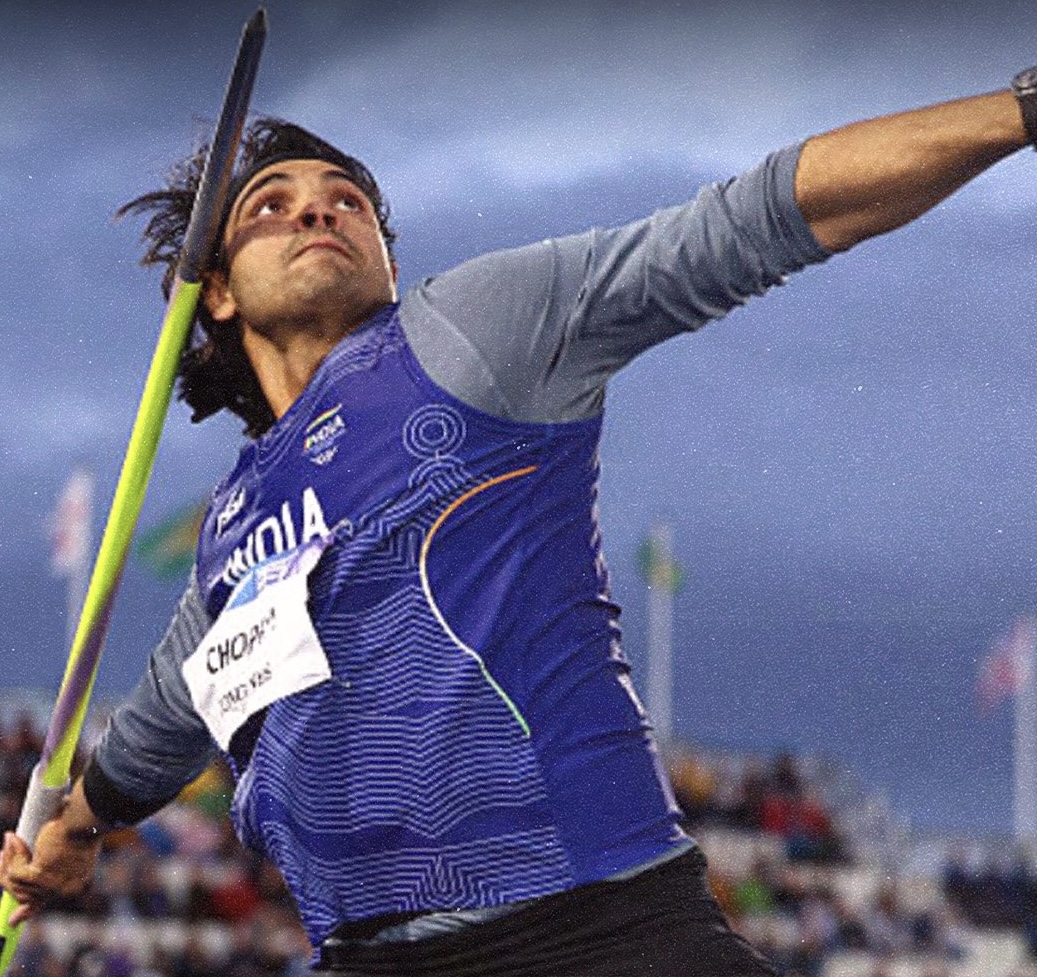
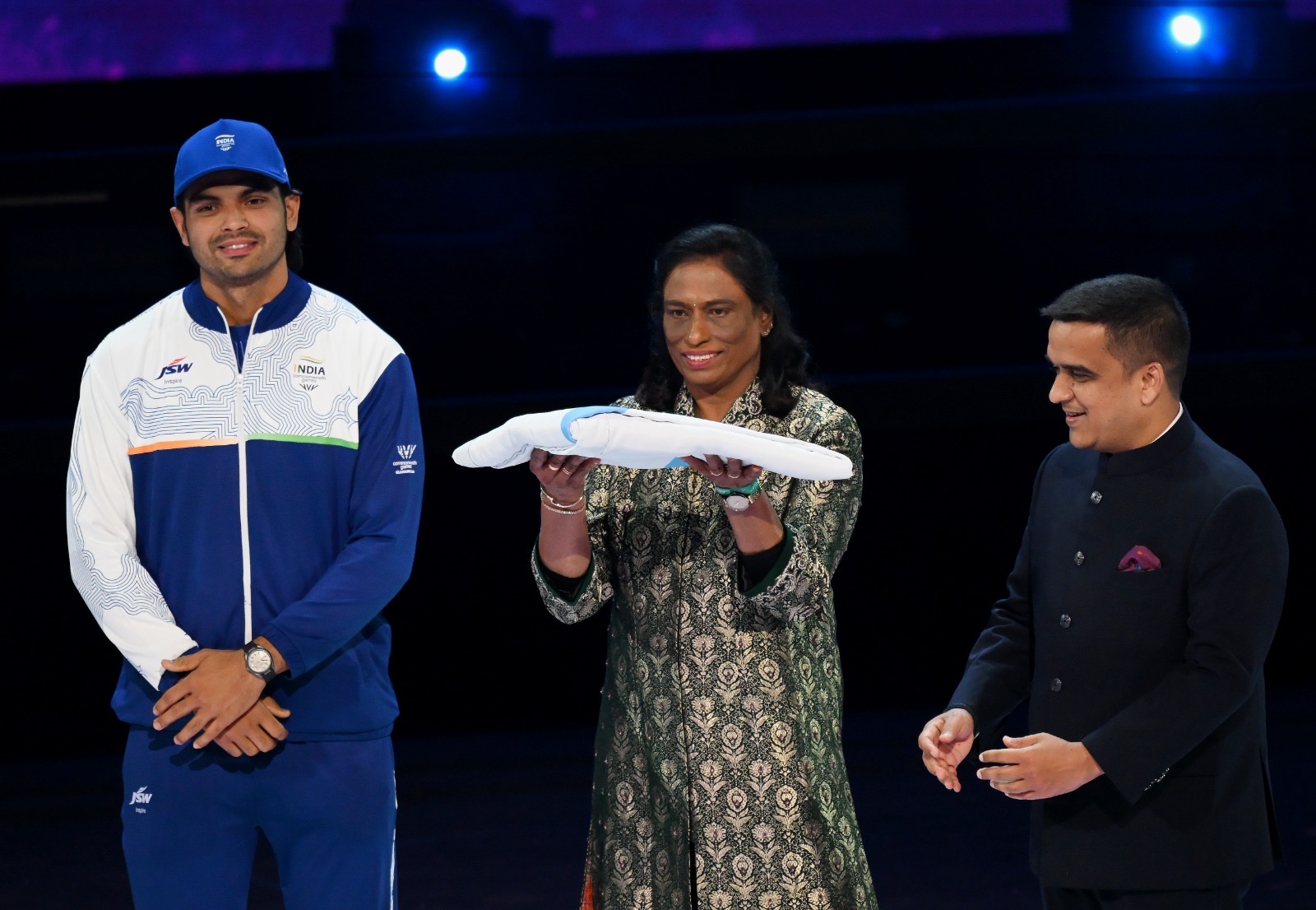
Former World and Olympic champion Neeraj Chopra bagged silver for India in the javelin. (Photo / Team India)
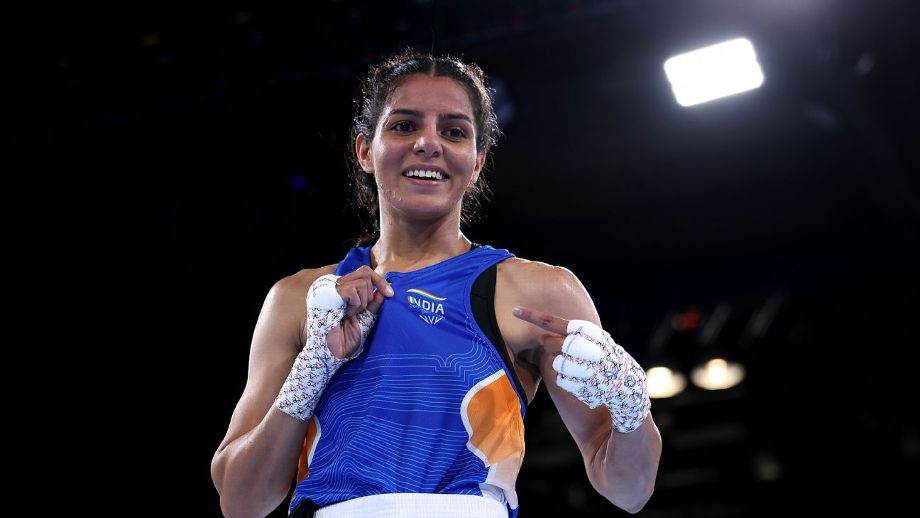
Instead, Indian athletes engineered an unprecedented pivot. The rings at the SEC Centre witnessed absolute domination, with Indian pugilists capturing seven Boxing golds — securing the best boxing haul by any single nation in Commonwealth Games history.
Simultaneously, track and field breakthroughs shattered historic glass ceilings.
Grassroots Talent Pipeline
Long-distance pioneer Gulveer Singh secured a grueling silver in the 10,000 metres and a bronze in the 5,000m, becoming the first Indian track athlete to win two medals in a single Commonwealth edition.
Adding to the depth, the 28-member para contingent registered its finest hour, highlighted by a historic 1-2 podium finish in the Men's F57 shot put by Soman Rana and Shubham Juyal.
This expansion proves that India's grassroots talent pipeline is no longer cyclical or fragile; it is structurally agile enough to absorb programmatic shocks and thrive. This athletic evolution is moving in perfect lockstep with an unprecedented financial mobilization in Gujarat.
Ahmedabad’s formal ratification as the host of the 2030 Commonwealth Games marks India's return to the major hosting stage for the first time since New Delhi 2010.
Under the new, fiscally disciplined "Games Reset" framework established by the Commonwealth Games Federation, Ahmedabad is projected to deliver the 2030 Centenary edition at a highly optimized budget of ₹3,000 to ₹5,000 crore ($314.5M to $524.2M or Sh40.6 billion to Sh67.6 billion).
This lean operational cost is achievable because the region has spent years laying the capital groundwork. Local officials confirmed that sports venue construction in Gujarat was already 85 percent complete prior to the Glasgow Games closing.
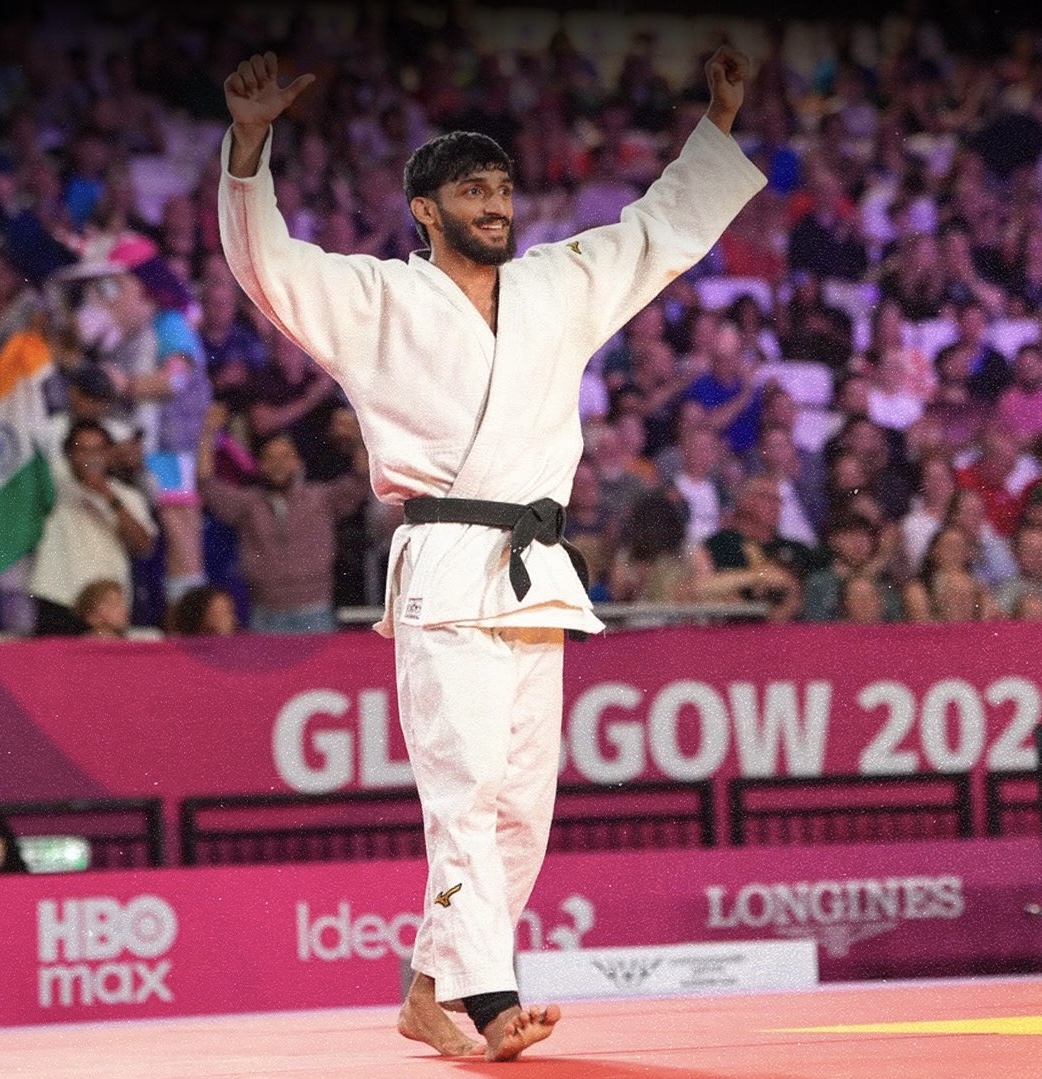
Harsh Singh struck gold in the men's 60-kilogrammes Judo competition. (Photo / Team India)
Permanent, Multi-purpose Sporting Assets
Rather than relying on temporary external structures, the government has routed capital directly into permanent, multi-purpose sporting assets.
To catalyze this transition, the central government recently approved ₹2,719.80 crore ($285.1 milion / Sh 36.8bn) under the Urban Challenge Fund, directly financing six massive municipal upgrades in Ahmedabad including advanced sewerage rehabilitation, water management systems, and rapid transit overhauls.
This is heavily reinforced at the state level by the Gujarat Olympic Planning and Infrastructure Corporation Ltd (GOPIC), which has spearheaded a dedicated ₹6,000 crore ($629.0m / [Sh81.1bn) fund to establish six world-class specialized sports complexes.
For the current fiscal year alone, the state government has earmarked a record ₹2,006 crore ($210.3m / Sh27.1bn) for youth and cultural developments, isolating ₹1,331 crore ($139.5m / Sh18.0B) to be utilized exclusively for elite-tier sports engineering.
These financial streams converge directly upon the construction of a massive, 10,000-acre "Olympic City" blueprint designed to anchor the long-term 2036 Summer Olympics bid.
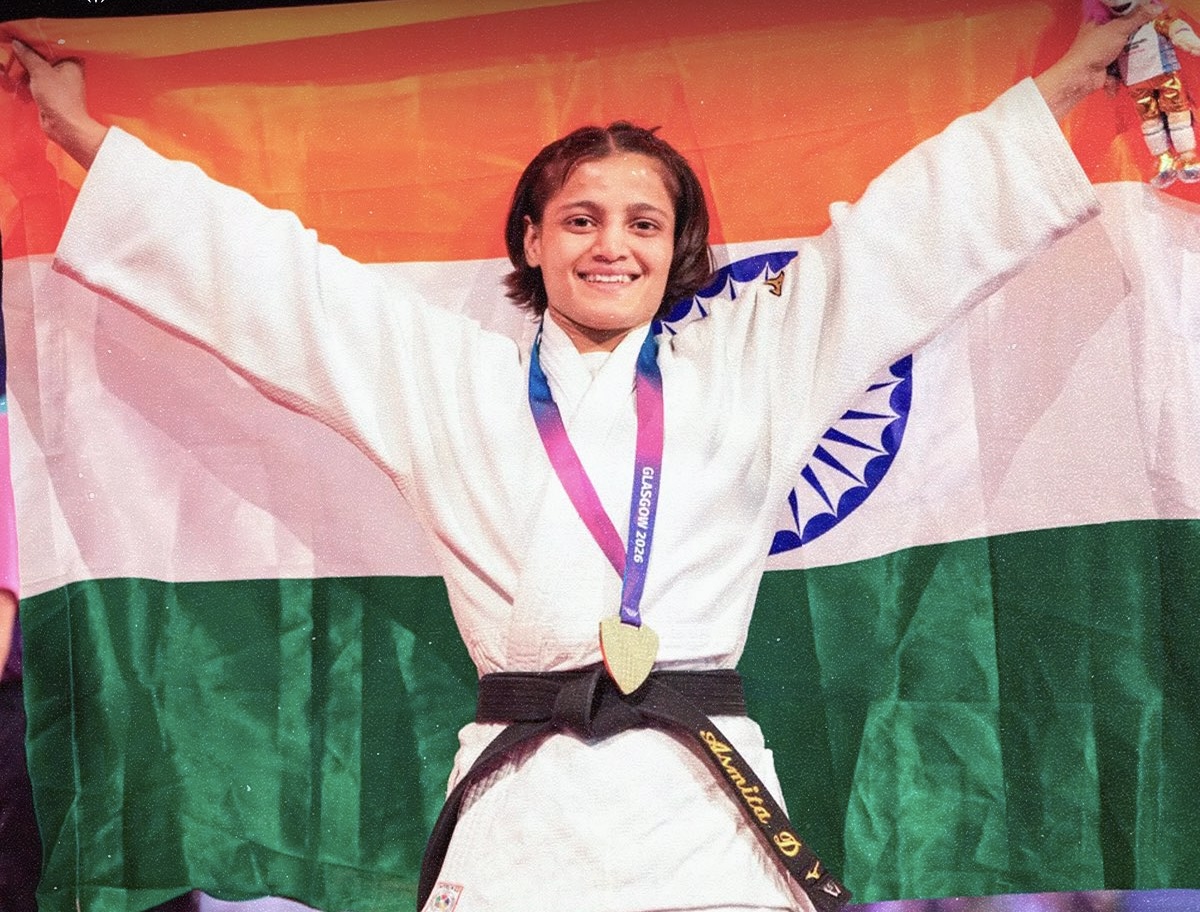
Asmita Dey (women's 48kg) became India's first ever Commonwealth Games Judo champion. (Photo / Team India)
The crown jewel of this masterplan is the expanding Sardar Vallabhbhai Patel Sports Enclave, a 355-acre mega-precinct built adjacent to the iconic Narendra Modi Stadium.
Financial allocations have already been deployed to construct the nearby Naranpura Sports Complex—a 20.39-acre, multi-discipline elite facility completed at a cost of ₹631.77 crore ($66.2M / Sh8.5B).
Sharp Urban Transformation
Additionally, the state has cleared tenders for the upcoming Karai Sports Hub, a 143-acre athletic district built on reclaimed riverfront land that will feature a state-of-the-art 35,000-seater athletics stadium by 2028.
This localized capital injection is driving a sharp urban transformation, drawing substantial real estate investments from major private entities like Adani Airports, Godrej Properties, and Arvind Smartspaces along the primary airport-to-stadium transit corridors.
The ultimate prize remains the 2036 Summer Olympics, where the projected total budget for Ahmedabad is estimated to range between ₹34,700 crore and ₹64,000 crore ($3.6B to $6.7B / Sh469.1bn to Sh865.3bn) depending on the final scale of operations.
According to early financial blueprints, the Organizing Committee for the Olympic Games (OCOG) budget will require between ₹18,600 crore and ₹41,100 crore ($1.9bn to $4.3bn / Sh251.5bn to Sh555.7bn) for event logistics, while non-OCOG public infrastructure spending will command between ₹16,100 crore and ₹22,900 crore ($1.7B to $2.4B / Sh217.7B to Sh309.6B).
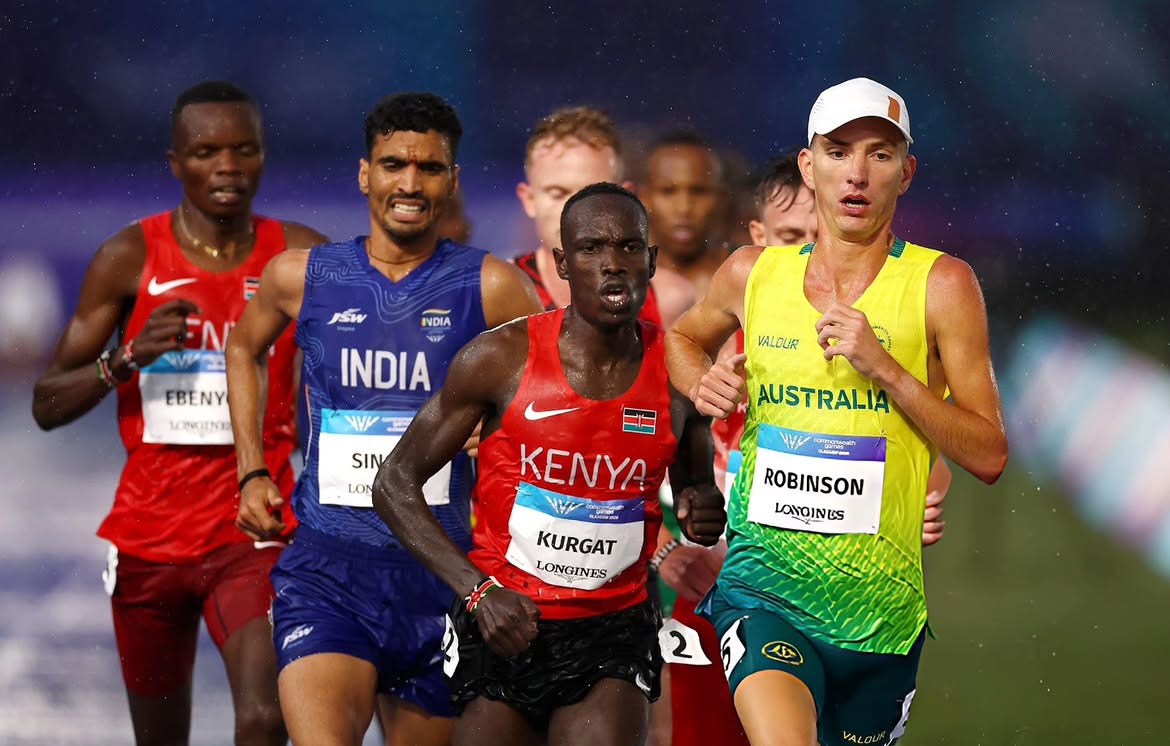
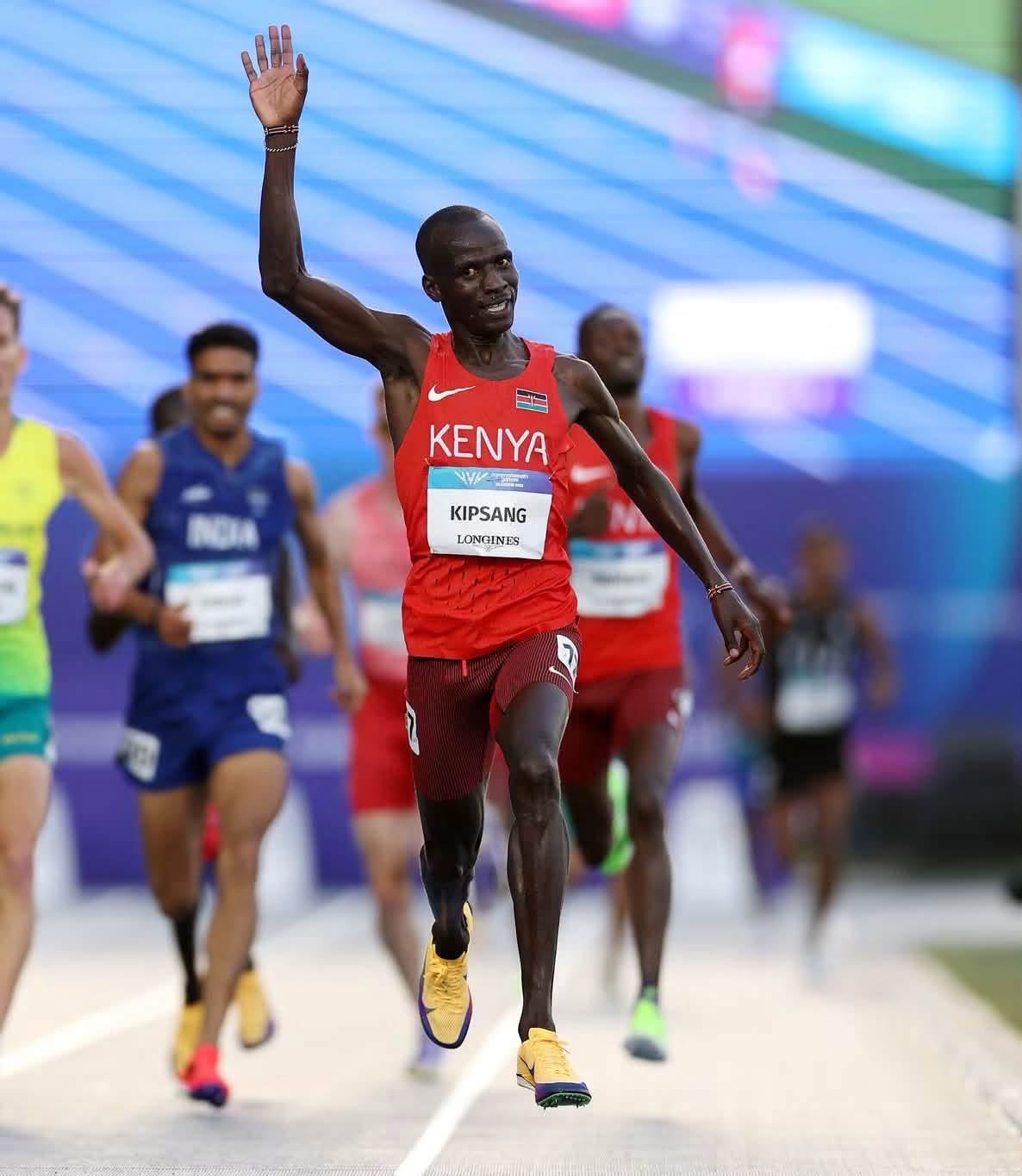
Gulveer Singh of India (second left) held up in traffic in the 10,000m final of the Commonwealth Games in Glasgow. Gulveer held off Kenya's Cornelius Kemboi by hundredths of a second on the line to take the bronze medal. (Photo / Team India)
While Glasgow validated India’s athletic depth, the road to the Olympics requires addressing complex governance hurdles, maintaining strict anti-doping compliance, and ensuring flawless fan-and-athlete logistics.
By utilizing the 2030 Centenary Games as a pre-funded, highly optimized operational dress rehearsal, India is methodically de-risking its multi-billion-dollar Olympic portfolio in the eyes of the International Olympic Committee.
India's performance in Glasgow, backed by Gujarat's fiscal muscle, is a definitive statement of intent, proving the nation is successfully bridging the gap between a regional power and a global sporting superpower.
India's medallists at the Glasgow 2026 Commonwealth Games across their tally of 39 medals (13 Gold, 17 Silver, and 9 Bronze medals):
Gold Medallists (13):
Preeti Pawar – Boxing (Women's 54kg)
Jaismine Lamboria – Boxing (Women's 57kg)
Priya Ghanghas – Boxing (Women's 60kg)
Sakshi Chaudhary – Boxing (Women's 66kg)
Arundhati Choudhary – Boxing (Women's 70kg)
Sachin Sachin – Boxing (Men's 60kg)
Ankush Panghal – Boxing (Men's Flyweight)
Harsh Singh – Judo (Men's 60kg)
Unnati Sharma – Judo (Women's category)
Mirabai Chanu – Weightlifting (Women's 48kg)
Soman Rana – Para Athletics (Men's Shot Put F57)
Sharmila Dhankar – Para Athletics (Women's Shot Put F57)
Dilip Gavit – Para Athletics (Men's T47 classification)
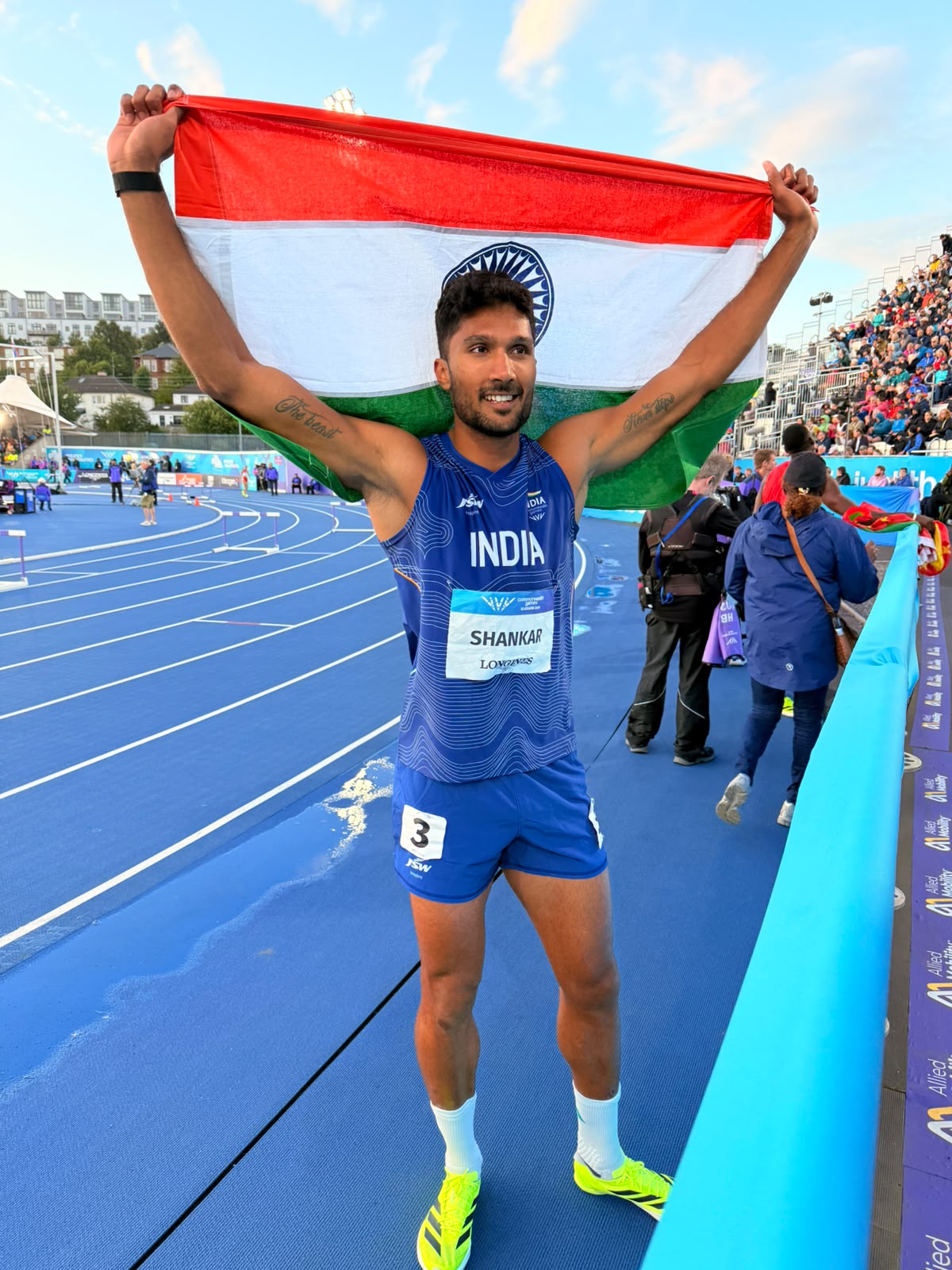
Tejaswin Shankar overcame every challenge to finish on the podium, winning bronze and becoming India's first ever Decathlon medallist at the Commonwealth Games. (Photo / Team India)
Silver Medallists (17):
Key silver medallists included boxers Lovlina Borgohain (75kg), Jadumani Singh Mandengbam (55kg), and Narender Berwal. Athletics contributors featured Gulveer Singh (10,000m), Neeraj Chopra (Javelin), Sarvesh Anil Kushare (High Jump), Sreeshankar Murali (Long Jump), and Praveen Chithravel (Triple Jump). Judo medals were earned by Asmita Dey (48kg) and Yamini Mourya (57kg). Weightlifting podium finishes came from Rishikanta Singh (60kg), Harjinder Kaur, Valluri Ajaya Babu, Gyaneshwari Yadav, Bindyarani Devi, and Raja Muthupandi (65kg). Shubham Juyal secured silver in Para Athletics.
Bronze Medallists (9):
Athletics bronzes were secured by Gulveer Singh (5,000m), Yash Vir Singh (Javelin), Tejaswin Shankar (Decathlon), Selva Prabhu Thirumaran (Triple Jump), and Seema Kaliramna (Discus). Additional medals were won by Shilpa K. Shyla (Para Shot Put), Jhandu Kumar (Para Powerlifting), and Unnati Sharma (Judo), alongside a weightlifting podium.
(Compiled from Agency reports)